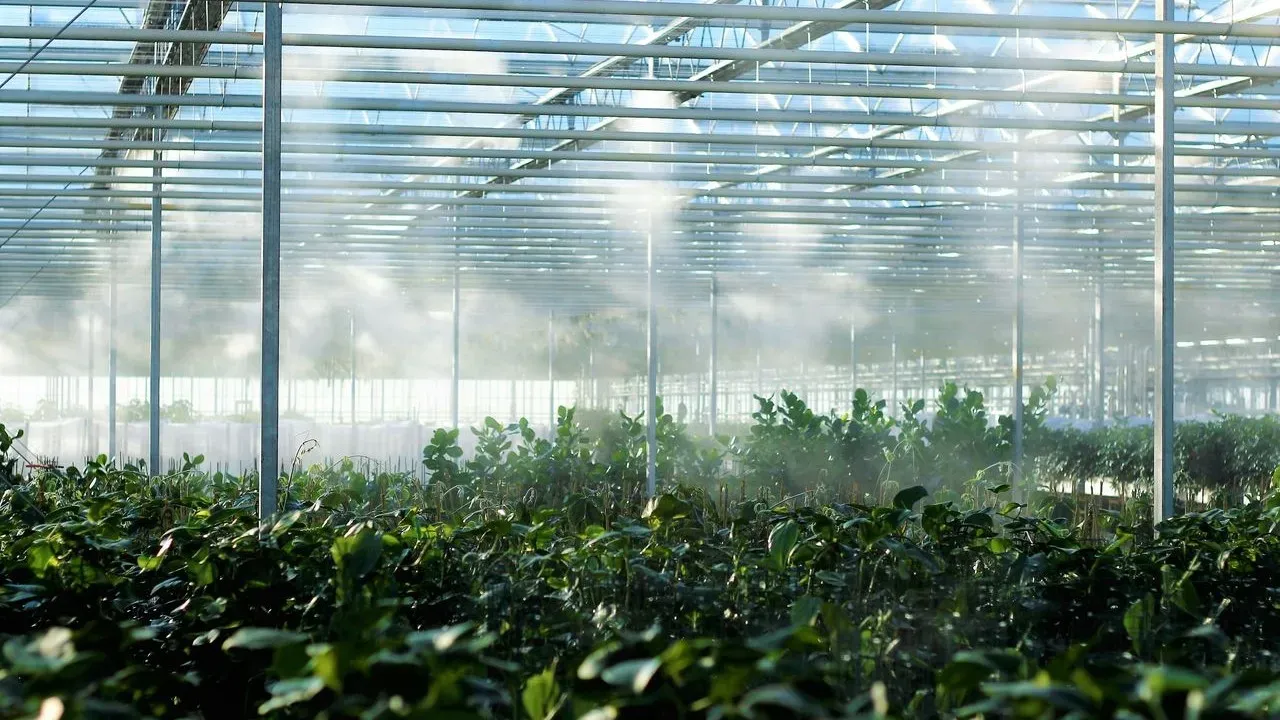

Home gardeners facing rising energy costs and shorter days often assume winter means the end of fresh harvests. Yet an unheated greenhouse can keep certain crops thriving without any supplemental warmth, turning what feels like a limitation into a practical advantage for those willing to work with the seasons. The structure traps solar warmth during the day and holds it overnight, creating conditions several degrees milder than the open air. This approach suits many households looking to reduce expenses while maintaining a steady supply of vegetables and herbs.
Why the Sun Alone Can Suffice
The basic physics of a greenhouse relies on sunlight passing through the glazing and warming the interior air, which then stays trapped rather than escaping. In most regions, this passive effect raises temperatures by roughly eight degrees on average compared with outside conditions, and sometimes more on clear days. Gardeners in USDA Hardiness Zones 4 through 7 can therefore extend the season significantly, though they must monitor forecasts closely during sudden cold snaps. Those in Zones 8 and higher face even fewer restrictions, while gardeners farther north typically require some form of added heat to succeed.
Crops That Perform Well Without Extra Warmth
Cold-hardy vegetables form the core of a successful unheated greenhouse planting. Carrots, kale, chard, broccoli, Brussels sprouts, cabbage, peas, onions, radishes, and turnips all tolerate the cooler environment and often improve in flavor after exposure to light frost. Root crops such as potatoes, beets, and rutabagas develop extra sweetness under these conditions. Many perennial herbs also hold up well, though basil tends to suffer below 40 degrees Fahrenheit. Ornamental plants like fuchsia or hibiscus can overwinter inside the same space, providing both protection and occasional edible flowers.
Protecting Plants During Temperature Swings
Daily attention to weather forecasts becomes essential once temperatures begin to drop. When a hard freeze threatens, covering plants with frost cloth or blankets and insulating pots with cardboard or bubble wrap helps prevent damage. Removing those coverings each morning allows light to reach the foliage and reduces disease risk. Placing a compost pile inside the structure adds a modest amount of natural warmth on the coldest nights. In Zones 5 and 6, permanent hoop supports make it easier to deploy covers quickly without crushing leaves.
Practical Steps for Ongoing Success
Position the greenhouse to capture maximum winter sunlight and equip it with a reliable thermometer and hygrometer to track conditions. Water less frequently than in summer because plants grow more slowly and evaporation rates stay low. Fresh soil or compost usually supplies enough nutrients, so additional fertilizer is rarely required. Sweep accumulated snow from the roof to maintain light penetration, and watch for signs of rodents that may seek shelter inside. Seed starting works for cool-germinating varieties, though young plants benefit from extra protection or supplemental light if daytime temperatures fall sharply. Gardeners who adopt these methods often find themselves harvesting ingredients for hearty winter meals long after outdoor beds have gone dormant, a tangible reward that offsets the modest extra effort required on the coldest days.
AI Disclaimer: This article was created with the assistance of AI tools and reviewed by a human editor.