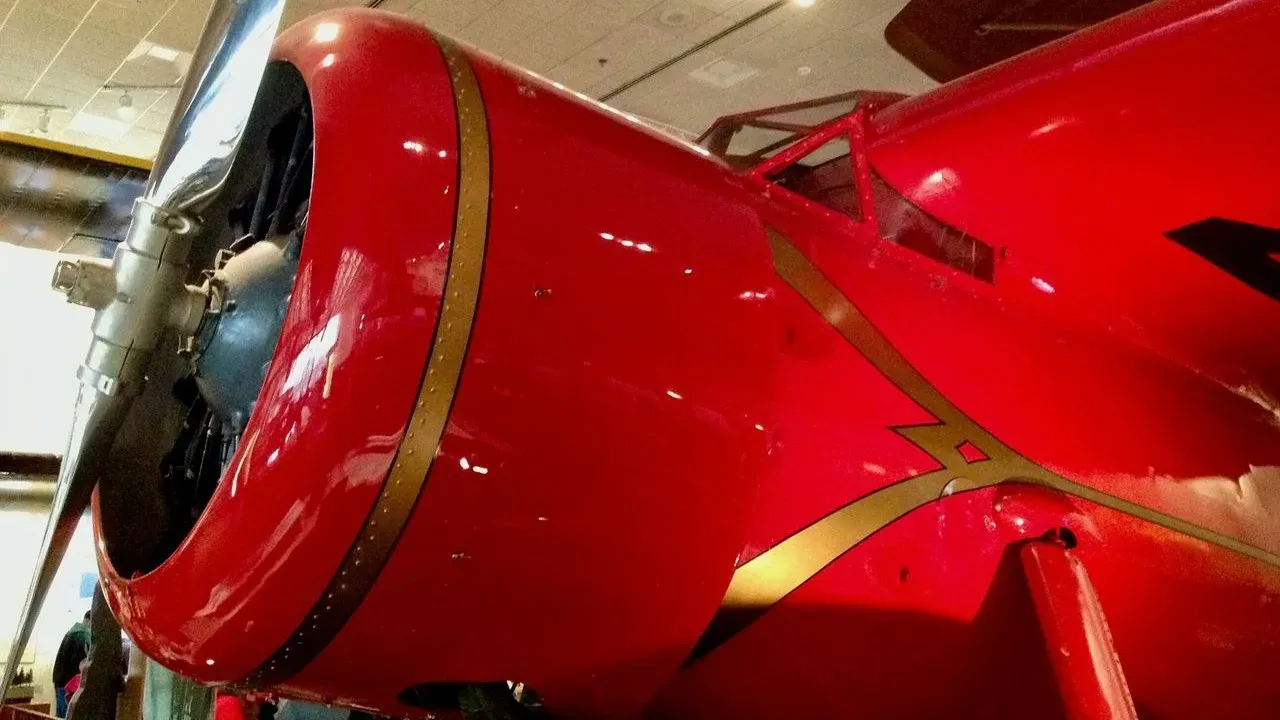

A recent expedition to Nikumaroro, a remote South Pacific atoll, returned without new evidence linking Amelia Earhart’s lost aircraft to the island. Researchers examined a suspected wreckage site identified years earlier in satellite imagery but concluded the anomaly was natural debris. The outcome leaves the long-standing questions about her 1937 disappearance unresolved. ([1])
Details of the Recent Effort
A 17-person team reached the island on October 12 after a five-day voyage from Tarawa. The group, organized by the Archaeological Legacy Institute and Purdue University, focused on a lagoon feature known as the Taraia Object. Magnetometer and sonar surveys were used to scan for metal and submerged objects beneath the sediment. The object turned out to be a collection of large trees and debris that had shifted and partially washed away by the time the team arrived. No aircraft parts or related artifacts were recovered. Team leaders described the work as a thorough test of one specific hypothesis rather than a broad survey of the entire island.
Context of the 1937 Disappearance
Earhart and navigator Fred Noonan vanished on July 2, 1937, during an attempt to complete the first around-the-world flight by a woman. They had covered more than 22,000 miles when they departed Lae, New Guinea, bound for tiny Howland Island. The official account holds that the Lockheed Electra ran out of fuel and crashed into the ocean near that destination. An alternative view, supported by the recent expedition leaders, proposes that the pair reached Nikumaroro, roughly 400 miles south of Howland, and survived for a time as castaways. The island’s isolation and harsh conditions would have made long-term survival difficult. Multiple prior searches of the atoll have produced similar results, with no confirmed aircraft wreckage located.
Implications for Continued Research
The expedition ruled out one visual lead but left the broader castaway theory intact in the eyes of its organizers. Purdue University noted that the absence of conclusive evidence at the lagoon site does not weaken other supporting indications gathered over decades. Additional searches are already in planning stages, including efforts by Nauticos to explore waters closer to Howland Island. The case remains one of aviation’s most enduring open questions. Each new expedition narrows possibilities while underscoring how little physical evidence has surfaced after nearly nine decades.
AI Disclaimer: This article was created with the assistance of AI tools and reviewed by a human editor.