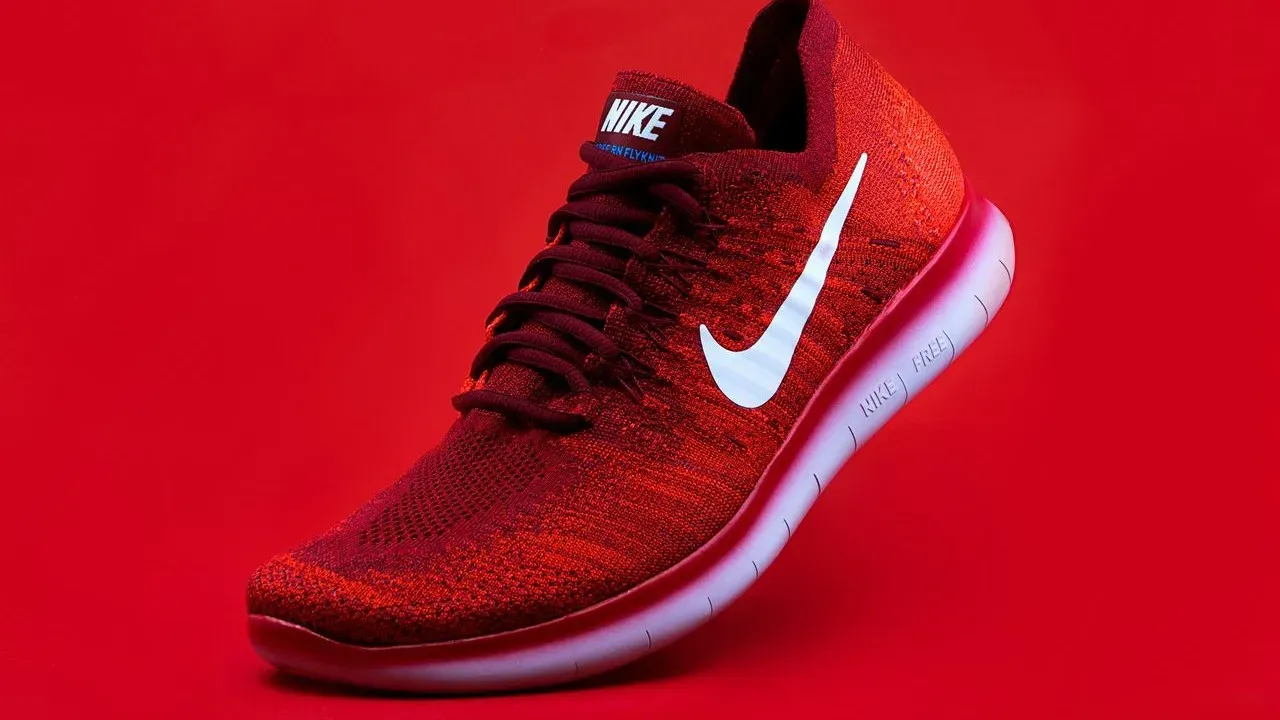

Libya’s top religious authority has issued a formal ruling against Nike, linking the company’s famous swoosh logo to ancient Greek mythology. The decree describes the symbol as an endorsement of polytheism and calls on Muslims to avoid buying, selling, or wearing Nike products. The move adds to existing tensions over the brand’s international positions and arrives in a country with its own deep historical ties to the same classical figures now under scrutiny.
The Decree and Its Core Arguments
The Dar al-Ifta, Libya’s leading Islamic institution, released the fatwa on the grounds that Nike’s branding draws directly from the winged goddess of victory. Officials stated that displaying or purchasing items bearing the swoosh equates to promoting beliefs incompatible with Islamic teachings. The ruling carries no legal force yet carries weight as a religious opinion that can influence consumer behavior in observant communities. The institution also referenced a 2023 internal finding that accused Nike of supporting Israel. It renewed calls for a broader boycott of the company and any firms viewed as aligned with that nation. These combined objections frame the fatwa as both a theological and political statement.
Libya’s Historical Connection to the Goddess
The ruling gains added resonance because of Libya’s own ancient Greek heritage. The city of Cyrene, located in the country’s east, once housed a prominent sanctuary dedicated to the same goddess. Archaeological work there uncovered statues and fragments that echo the figure Nike adopted for its name and logo. Despite the symbolic link, Nike maintains no official retail presence in Libya. Its products reach consumers mainly through third-party sellers, and counterfeit versions circulate widely in local markets. The fatwa therefore targets an imported brand rather than a domestic operation.
Similar Rulings and Regional Context
This is not the first time the Dar al-Ifta has targeted a global brand on religious grounds. In 2025 the same body issued a fatwa against Van Cleef & Arpels, arguing that the jeweler’s four-leaf clover motif conflicted with Islamic views on luck and fortune. Libyan authorities have also imposed restrictions on certain forms of music, theater, and dance in recent years, citing concerns over cultural influence. Fatwas of this type remain non-binding opinions rather than enforceable law. Their practical reach depends on how widely religious leaders and communities choose to follow them. Past examples, such as the 1989 decree involving author Salman Rushdie, illustrate both the attention they can generate and the limits of their direct authority.
Brand Response and Market Realities
Nike has not issued a public statement on the latest ruling. The company continues to operate in dozens of markets worldwide, where its products remain popular across diverse consumer groups. In Libya and neighboring regions, demand for athletic footwear persists even as official religious opinions circulate. The episode highlights how global brands can intersect with local religious and political debates. Observers note that such rulings often serve as signals within specific communities rather than triggers for widespread commercial disruption. Nike’s established supply chains and brand recognition outside the region appear unlikely to face immediate structural change from this development alone.
AI Disclaimer: This article was created with the assistance of AI tools and reviewed by a human editor.