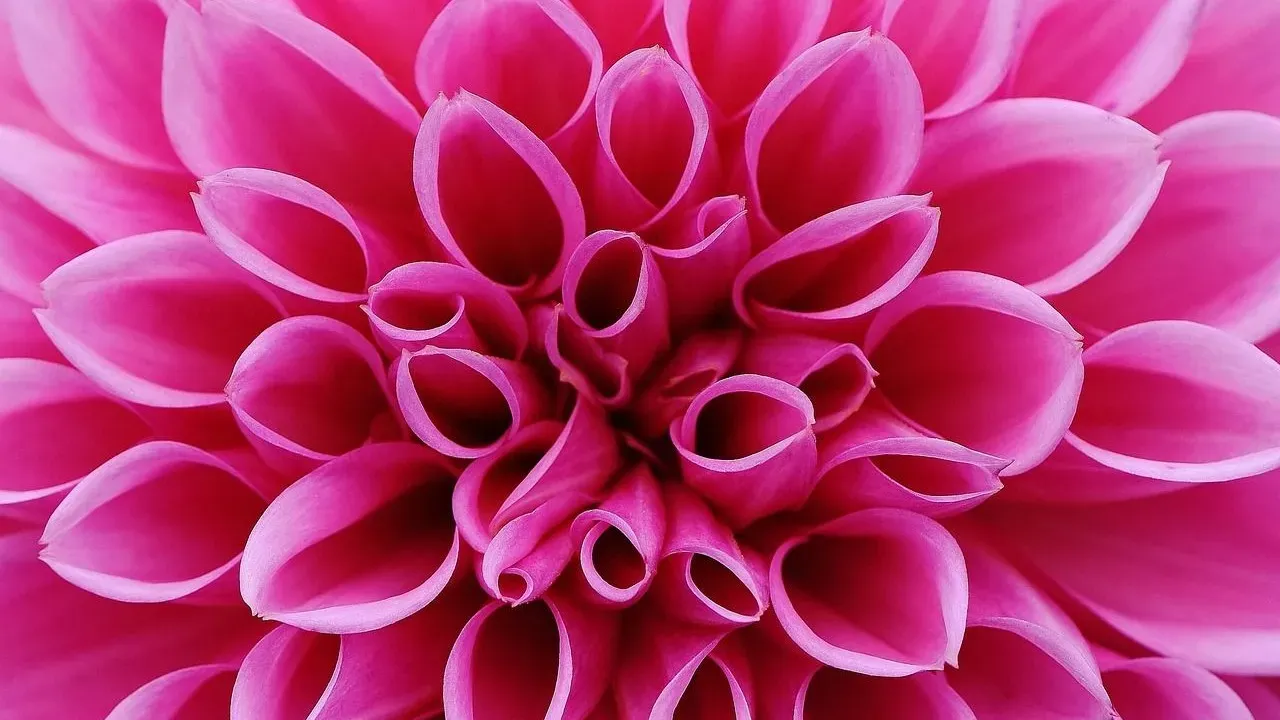

Voorhees, New Jersey – A veteran nurse with three decades of experience caring for the smallest and most fragile patients has extended her commitment to healing beyond the hospital walls. Meredith Murray, who began her nursing career in 1993 and joined the neonatal intensive care unit in 1995, transformed an unremarkable communal patio into a vibrant garden space at Virtua Voorhees Hospital. The project, completed with support from colleagues and local donors, now provides a quiet retreat for families and staff alike. ([1])
A Career Rooted in Intensive Care
Murray, a Marlton native, has spent the majority of her professional life in the NICU at Virtua Voorhees Hospital. Colleagues describe her dedication as unwavering, and she has often referred to her role there as the best job she could imagine. Over the years, she has witnessed countless families navigate the intense emotions that accompany premature births and critical newborn care. This long-term perspective shaped her decision to create an outdoor space where those same families could find moments of peace. The garden project began when a small group of coworkers approached Murray about improving the patio area outside the unit. What started as a simple request to add some color quickly grew into a more substantial effort. Murray drew on her practical skills and community connections to bring the vision to life, showing how one person’s initiative can ripple through an entire care environment.
Building the Garden Through Collaboration
The transformation relied on teamwork from the hospital’s philanthropy department, additional staff volunteers, and donations from nearby retailers. Materials arrived through these partnerships, allowing the space to feature blooming plants, functional seating, and elements designed to attract wildlife such as hummingbirds. The result is a living area that feels both welcoming and restorative, far removed from the clinical setting just steps away. Murray’s approach emphasized accessibility and ongoing care. The garden was planned to require manageable upkeep while delivering consistent visual and sensory benefits. Flowers provide seasonal color, feeders support local birds, and furniture invites quiet conversation or reflection. These choices reflect a deliberate focus on creating an environment that supports emotional recovery without adding burden to already stretched hospital resources.
Benefits That Extend to Families and Staff
For families spending long hours near the NICU, the garden offers a place to step outside, breathe fresh air, and regain perspective during difficult days. Staff members similarly use the space for brief breaks that help sustain their demanding work. The shared setting encourages informal connections between parents and caregivers, fostering a sense of community that complements the medical care provided indoors. The project demonstrates how small environmental changes can influence well-being in high-stress medical settings. While the garden does not replace clinical support, it adds a layer of comfort that many visitors and employees have come to value. Murray’s effort highlights the role individual staff members can play in shaping the broader hospital experience.
A Lasting Contribution to the Care Community
Murray’s garden stands as a tangible reminder that healing involves more than medical treatment alone. By combining her nursing expertise with a personal passion for growing things, she has created a resource that continues to serve the unit long after its initial planting. The space remains open to anyone connected to the NICU, offering ongoing opportunities for rest and renewal. As the seasons change, the garden will evolve, yet its core purpose endures. It reflects a simple but powerful idea: that thoughtful attention to surroundings can ease the weight carried by those facing the challenges of newborn intensive care. Murray’s work shows how one nurse’s green thumb can leave a lasting mark on the lives of many.
AI Disclaimer: This article was created with the assistance of AI tools and reviewed by a human editor.