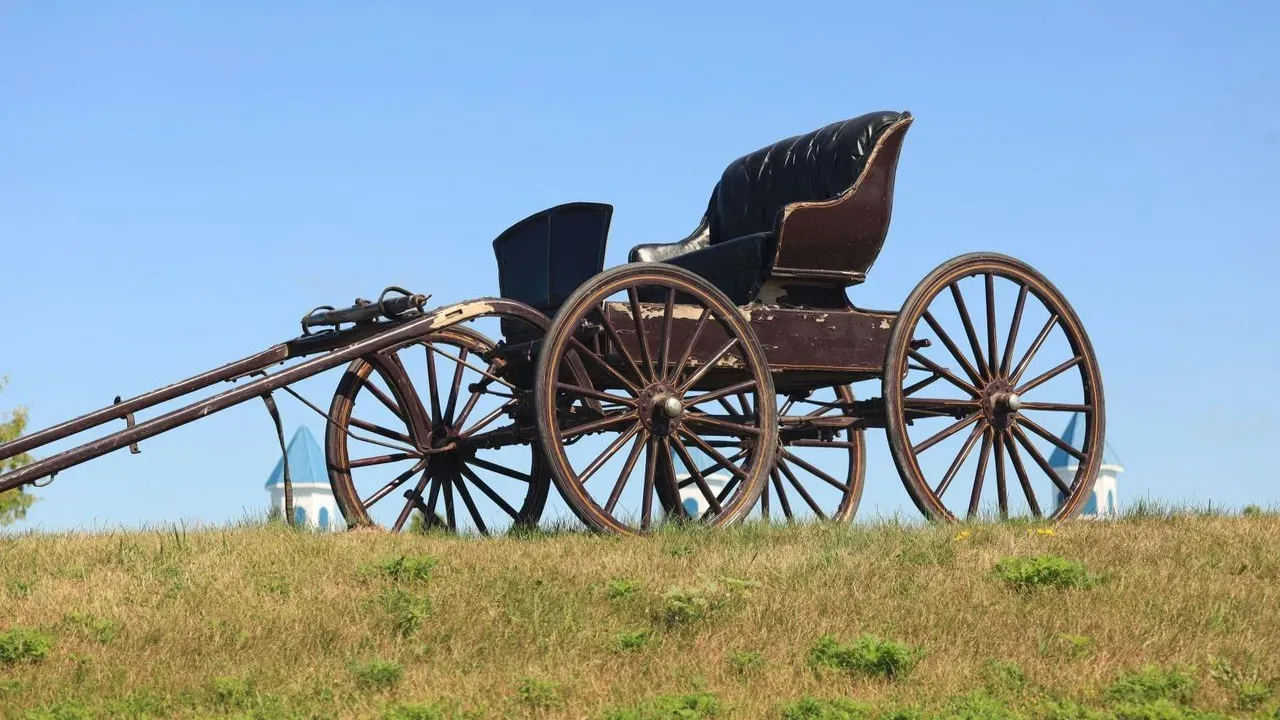

New York City – The City Council voted on Thursday to phase out horse-drawn carriages, bringing a formal end to an activity that has been part of the city since 1858. The measure, known as Romanch’s Law, sets a firm deadline of June 1, 2028, for the industry to cease operations. The bill passed with a 40-7 vote and two exemptions before heading to the mayor, where it carries veto-proof support. The decision reflects years of debate over the place of carriage rides in a modern, densely populated urban environment.
The Timeline and Legislative Path
The legislation establishes a clear two-year window for the industry to wind down. City officials must now create a transition plan that includes job placement assistance for affected drivers. This structured approach aims to manage the shift without abrupt disruption for those who have relied on the activity for their livelihood. The bill’s journey to passage spanned nearly two decades. City Council Speaker Julie Menin noted that the first related measure was introduced 19 years earlier, marking the conclusion of a long legislative effort. With the veto-proof majority secured, the focus now shifts to implementation details ahead of the 2028 cutoff.
Stakeholders and Practical Impacts
Roughly 150 active drivers, 180 horses, and 68 carriage medallions are involved in the current operation. The city has committed to supporting drivers through retraining and employment services during the phase-out period. Medallions, which function similarly to taxi licenses, represent significant investments for some owners. Supporters of the measure point to the challenges of operating in areas that draw 42 million visitors annually. They argue that the activity no longer fits the realities of heavy traffic and extreme weather conditions in parts of Manhattan. The transition plan is intended to address workforce needs while respecting the deadline.
Background and Recent Events
Horse-drawn carriages have served as a tourist attraction, particularly around Central Park, for generations. The industry dates back to 1858, making the upcoming closure a notable shift in the city’s street-level offerings. A fatal incident last June involving 18-year-old Romanch Mahajan, who was visiting from India, contributed to renewed attention on the practice. The legislation carries his name in recognition of that event. Mahajan’s family has expressed that he will not be forgotten amid the policy change.
Opposition Perspectives
Critics, including representatives from TWU Local 100, have raised concerns about the measure’s effects on both workers and animals. They contend that the bill targets a licensed industry and could impose hardships on those who have built businesses around the medallions. Union members described the legislation as potentially unconstitutional and harmful to the people and horses involved. The union has highlighted the scale of the operation, noting the number of horses, drivers, and medallions currently in use. These points underscore the economic stakes for a small but established segment of the city’s workforce. The phase-out sets a defined endpoint for an activity with deep historical roots while requiring the city to manage the transition for those directly affected. Implementation over the coming years will determine how smoothly the change unfolds.
AI Disclaimer: This article was created with the assistance of AI tools and reviewed by a human editor.