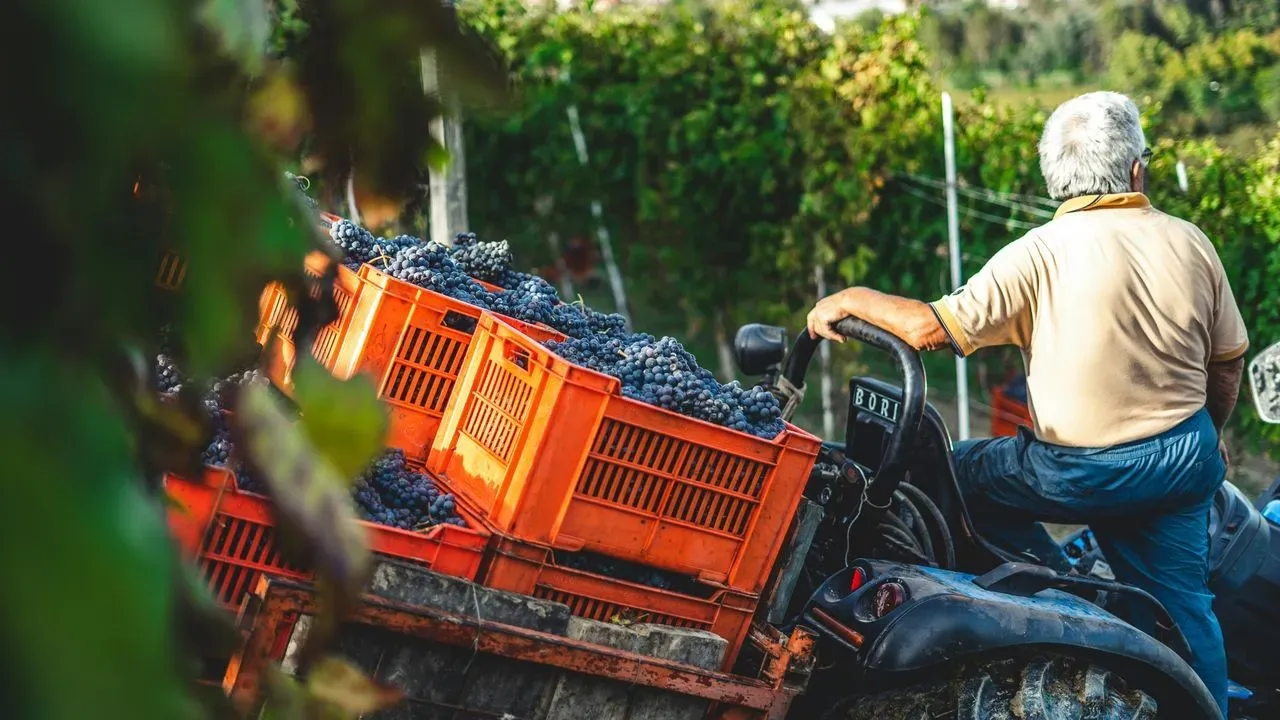

Southwest Michigan is seeing a quiet shift in its wine industry as younger producers take control of established vineyards planted decades ago. The change comes at a time when many longtime owners are retiring and their children show little interest in continuing the work. This transition brings fresh approaches to winemaking while preserving the region’s older vines and building on local training programs.
Why the timing matters now
Vineyards across the area were largely planted in the 1980s through the early 2000s. Many of those founders are now nearing retirement, creating openings for new owners who bring outside experience and different priorities. The result is a gradual replacement of one generation’s methods with another that emphasizes minimal intervention and estate-driven character. Local institutions such as Lake Michigan College have supported the shift by offering viticulture and oenology courses that train the next cohort of growers and makers.
Passing the torch at Avonlea
Maxx Eichberg and his wife Sidney Finan acquired the 15-acre Avonlea vineyard in 2021 after longtime grower James Lester offered it to them. The site had already been planted with mature vines, giving the couple immediate access to established fruit rather than starting from scratch. Eichberg, who previously worked in distribution and spent time in Washington and Oregon, founded Stranger Wine Company the same year. The couple now operates a tasting room in Buchanan and supplies wine for events at nearby Granor Farm. Lester marked the handover with a bottle of his own older vintage, signaling confidence that the new owners could carry forward the goal of producing fine Michigan wine. Eichberg focuses on techniques such as barrel fermentation, long pressing cycles, and leaving wines unfined and unfiltered to let them settle naturally.
Parallel moves at Domaine Berrien
Amy Birk and Jacob Nivison followed a similar path when they purchased Domaine Berrien Cellars in 2022 from retiring owner Wally Maurer. Birk had worked at the winery for seven years after completing a chemistry degree and becoming the first student in Lake Michigan College’s viticulture program. She now manages the tasting room and shares winemaking duties, while Nivison handles vineyard work. Birk highlights cabernet franc as especially well suited to the region’s climate, noting its later bud break helps avoid late-spring frost damage. She and Eichberg exchange fruit and compare results, creating a friendly rivalry that pushes both operations forward.
Collaboration and shared facilities
Alex McNeely launched Poetson Wines with his first vintage in 2025 and currently shares production space with Stranger Wine Company. He sources some fruit from the same vineyards and benefits from daily exchanges with Eichberg about techniques and outcomes. McNeely completed the college’s wine program and apprenticed with a local grower before returning to Michigan during the pandemic. These arrangements reduce isolation that often affects smaller producers and allow ideas to circulate quickly among peers. The college program itself serves as a common thread, supplying trained talent and keeping knowledge of regional conditions current.
Looking ahead
The new owners stress that Michigan wine should reflect its own place rather than imitate established regions. They point to affordable land, proximity to Chicago and other cities, and improving climate conditions as practical advantages. Early results from the revived vineyards suggest the area can develop a distinct identity built on older vines and measured innovation. Time and consistent quality will determine how far that identity travels.
AI Disclaimer: This article was created with the assistance of AI tools and reviewed by a human editor.