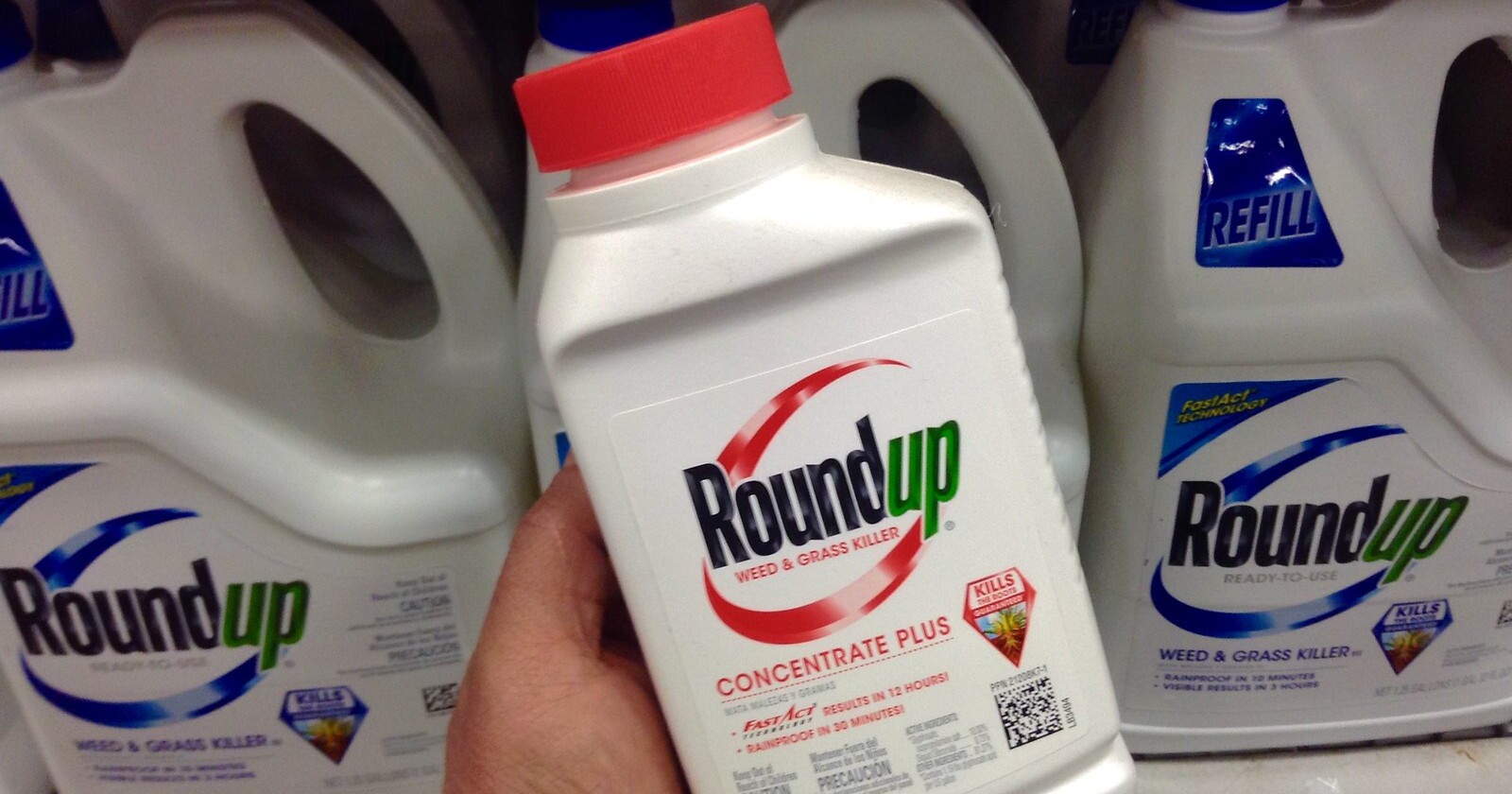

A new controversy is unfolding in Washington over what many see as a major retreat from science-based regulation. The latest Make America Healthy Again (MAHA) report, overseen by Robert F. Kennedy Jr. during his tenure at the Department of Health and Human Services, was expected to mark a bold shift toward stronger pesticide oversight. Instead, the final version of the report has scaled back earlier recommendations that called for tougher restrictions on chemicals such as glyphosate and atrazine.
From Bold Reform to Soft Language
Early drafts of the MAHA report contained sweeping proposals to limit or phase out certain pesticides linked to cancer, endocrine disruption, and ecosystem damage. These drafts included direct language urging regulatory action and federal coordination to reduce chemical exposure across agriculture and food production.
But by the time the report was released, much of that forceful language was gone. References to potential bans or restrictions were replaced with more ambiguous goals around “public awareness,” “transparency,” and “continued study.” Critics say this rhetorical downgrade transforms what could have been a major reform blueprint into a public relations document.
Insiders familiar with the drafting process claim that multiple industry lobbyists met with MAHA officials and EPA representatives during the editing period. These groups reportedly argued that tighter pesticide controls would harm farmers, raise food prices, and disrupt agricultural exports. The final result suggests that those arguments found a receptive audience.
The Power of Lobbying
The pesticide industry has long wielded substantial influence in Washington, and this episode appears to be another example of that power at work. Chemical companies and large agricultural trade groups launched coordinated campaigns to weaken the report’s language, framing it as “anti-farmer” and “anti-science.”
Advocates say lobbyists also used subtler tactics, placing sympathetic advisors in key EPA roles, funding “grassroots” farming coalitions, and circulating talking points that downplayed pesticide risks. By the time the MAHA draft went through final review, the once-ambitious tone had been watered down to cautious optimism and voluntary measures.
For environmental and public health advocates, the backpedaling feels like betrayal. Many supported MAHA because it promised to put human health and environmental safety before corporate profits. Seeing it bend to industry pressure has damaged the credibility of the entire initiative.
What’s at Stake
The rollback has real-world consequences. Chemicals like glyphosate and atrazine are among the most widely used herbicides in the U.S., and both have been linked in studies to significant health and ecological harms.
- Glyphosate, the active ingredient in Roundup, is considered a probable human carcinogen by the World Health Organization and has been tied to soil microbiome disruption and pollinator decline.
- Atrazine is a powerful endocrine disruptor known to affect amphibian populations and contaminate drinking water supplies, especially in the Midwest.
Stronger limits or bans on these chemicals could have prompted safer agricultural practices, accelerated research into alternatives, and protected vulnerable communities from exposure. The watered-down version of the report means those opportunities are delayed—perhaps indefinitely.
A Larger Battle Over Influence
This controversy sits at the center of a broader struggle: who gets to shape America’s public health priorities? Environmental groups argue that scientific consensus and public well-being should lead policy, while industry groups emphasize economic growth and “regulatory balance.” The MAHA report illustrates how corporate lobbying can reshape the balance of those forces, often at the expense of long-term health and environmental protection.
The episode also exposes the limits of reform efforts inside government. Even well-intentioned initiatives can be neutralized by sustained political and financial pressure. When science meets lobbying, compromise often favors the better-funded side.
What You Can Do
If you care about pesticide safety and transparency, there are concrete ways to respond:
- Support watchdog organizations that track corporate influence in federal agencies.
- Contact your representatives to push for stronger pesticide review processes and funding for independent research.
- Choose organic and locally grown foods when possible to reduce demand for chemical-intensive agriculture.
- Amplify credible reporting on pesticide issues to keep public attention focused where lobbyists would rather it not be.
Individual choices can’t replace federal regulation, but they can help create pressure from below—and signal that voters are paying attention.
The Takeaway
The MAHA report was supposed to represent a turning point for American environmental health policy. Instead, it has become a case study in how quickly reform can be diluted under political and corporate pressure. For many advocates, it’s about whether public health will ever truly outweigh profit in shaping the country’s agricultural future.
The fight over pesticides like glyphosate and atrazine is far from over, but the lesson is clear: when the public disengages, lobbyists win. The next version of “health reform” won’t be written by scientists or citizens unless both groups make their voices impossible to ignore.