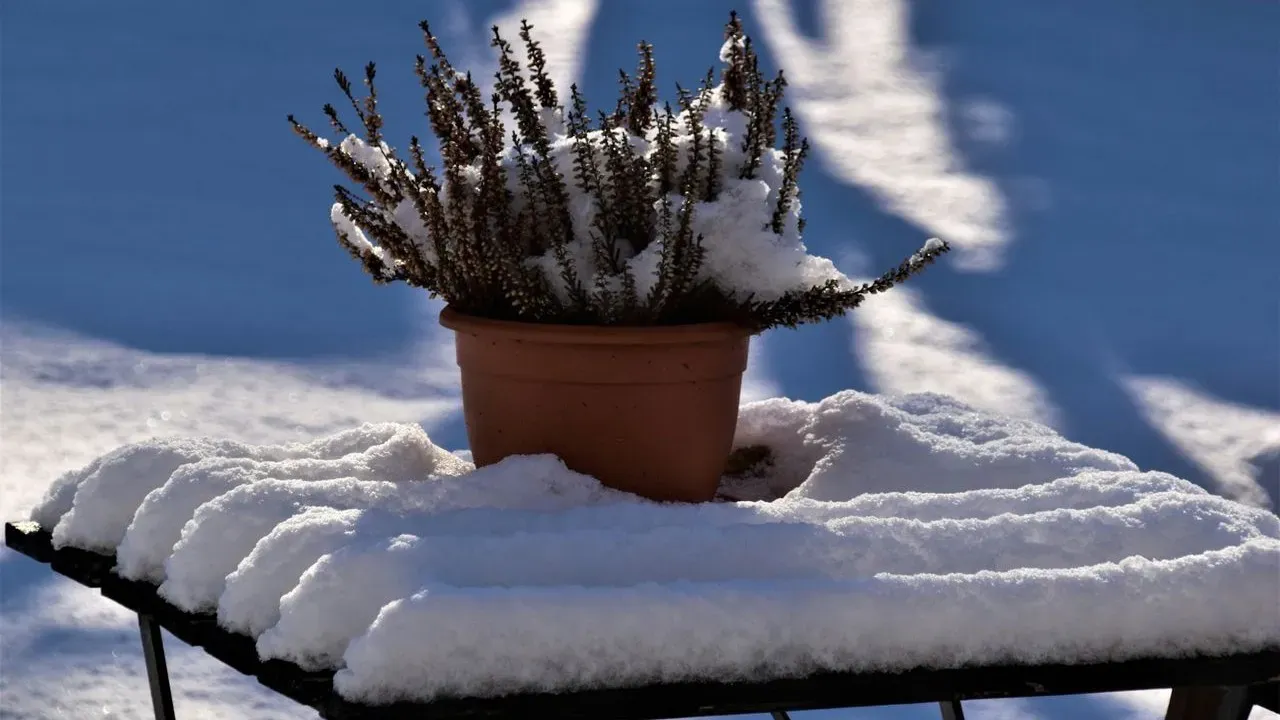

Gardeners in New Jersey have long found ways to extend visual interest outdoors even after the growing season ends. A recent feature from Fine Gardening highlights practical approaches that rely on durable natural materials rather than fleeting blooms. These designs show how a focused selection of stems, foliage, and accents can transform empty pots into lasting displays through the colder months. ([1])
Shifting Focus From Flowers to Structure
Once annuals fade, many gardeners turn their attention to the bones of a container. Branches with striking bark or interesting twists provide height and movement that hold up under frost and snow. Evergreens add density and a steady green backdrop that contrasts with bare landscapes. The result is an arrangement that feels intentional rather than neglected.
Designers working in the state often combine these elements in different proportions each year. One season might emphasize warm-toned stems while another leans on silvery foliage or clustered berries. This rotation keeps the same planters looking fresh without requiring entirely new purchases. The approach also suits the variable winter weather common across New Jersey, where temperatures can swing and wind can strip away more delicate material.
Materials That Withstand the Season
Red and yellow twig dogwood offer bright linear color that stands out against evergreens. Curly willow adds sculptural form, while magnolia leaves contribute glossy texture. Berries, whether real or artificial, supply spots of red or white that remain visible even after light snowfalls. Pinecones and dried seed pods introduce additional shape and a sense of natural abundance.
Evergreen choices such as incense cedar, noble fir, and various junipers fill gaps and create a full appearance. These plants hold their needles well and release a pleasant scent when brushed. Artificial berry accents sometimes supplement real ones to guarantee color lasts until spring cleanup begins. The combination proves reliable across multiple New Jersey towns, from Ridgewood to Teaneck and beyond.
Adapting Designs to Different Settings
Entryway planters, window boxes, and slim step containers each receive tailored treatments. Taller branches suit deeper pots near doorways, while lower, frothy arrangements work better in narrower spaces. The same core materials appear in varied pairings, allowing one garden team to produce distinct looks for different clients or locations.
Classic homes might receive more traditional mixes with winterberry and magnolia, while modern facades pair well with bolder contrasts of golden willow against red stems. The flexibility of the palette means small changes in proportion or accent can refresh an entire porch or patio. Gardeners elsewhere can observe these examples and experiment with locally available branches and greens.
Practical Takeaways for Home Gardeners
Starting with a few sturdy evergreens and one or two colorful branch varieties gives a solid foundation. Adding cones or dried elements provides finishing detail without much cost. Changing the mix slightly each winter prevents repetition while building on what already works in a given climate.
These New Jersey examples remind readers that winter containers reward planning rather than abandonment. With thoughtful material choices, outdoor spaces retain personality and color well into the new year. The same principles apply in many regions where similar plants thrive.
AI Disclaimer: This article was created with the assistance of AI tools and reviewed by a human editor.