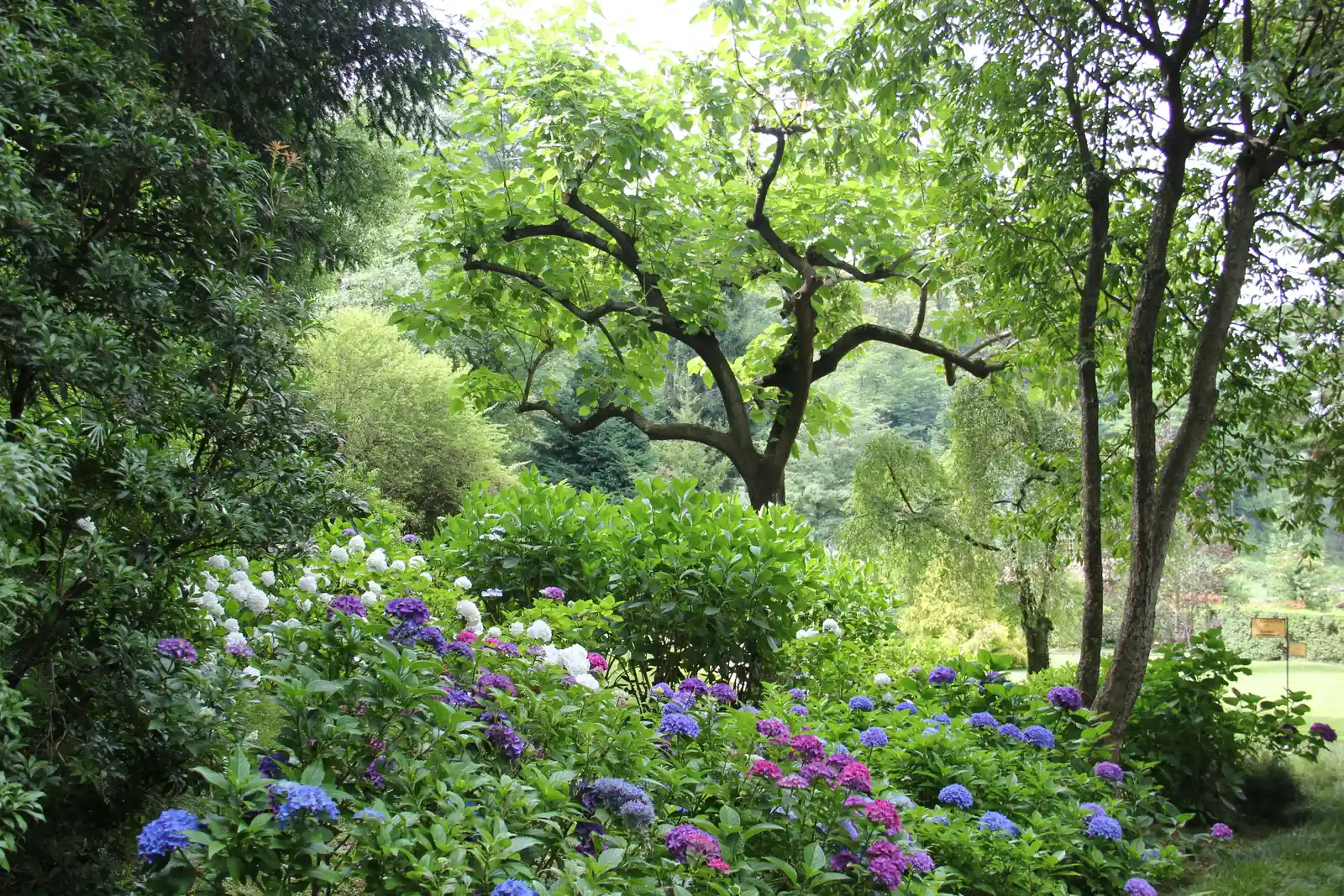

New homeowners frequently encounter an established perennial garden upon taking possession of a property. Early spring brings a mix of emerging growth, with some plants appearing robust while others seem sparse or dormant. The impulse to clear the space before assessing what exists can result in the unintended loss of established specimens that might otherwise thrive with minimal intervention.
Understanding What an Inherited Garden Represents
An established perennial garden reflects years of prior care and selection suited to the local conditions. These plantings often include varieties that have adapted over time, offering resilience that new installations may lack initially. Removing them without evaluation overlooks this accumulated value and the potential for continued performance in the same setting.
Many new owners arrive with plans for immediate changes, yet the existing layout can provide a foundation that saves both time and resources. Perennials return annually, so hasty decisions affect not only the current season but subsequent years as well. Taking stock allows for informed choices rather than reactive ones.
Observing Growth Patterns in Spring
Spring serves as the primary window for assessment because new shoots reveal the presence and condition of perennials. Healthy emergence indicates plants that have survived winter and are ready to develop, while slower or uneven growth may signal dormancy rather than decline. Distinguishing between these states requires patience through the early weeks of the season.
Weather variations can influence appearance, with cooler temperatures delaying visible progress for some species. A measured approach involves regular checks over several weeks instead of a single early assessment. This timeline helps separate temporary conditions from permanent issues that might warrant removal.
Practical Steps for Evaluation
- Document emerging plants with notes on location, height, and leaf characteristics as growth progresses.
- Compare observations against reliable regional plant guides to narrow down identities.
- Monitor for signs of life such as new buds or stems before considering any clearance.
- Consult local extension services or experienced gardeners for confirmation when uncertainty remains.
Consequences of Acting Without Full Information
Premature removal eliminates plants that could have contributed to the garden’s structure and seasonal interest. Once dug out, perennials cannot be easily replaced with identical specimens, particularly those that have matured in place. The financial and labor costs of starting over often exceed the effort required for proper identification.
Stakeholders in this scenario include the new homeowners themselves, who bear the long-term results of their decisions, as well as any future residents who might inherit a diminished landscape. A deliberate pause preserves options and avoids irreversible changes during the critical spring period.
Developing a Measured Plan Forward
After identification, homeowners can decide which plants to retain, relocate, or replace based on their own preferences and the garden’s overall condition. This process supports gradual updates that maintain continuity while allowing personalization. Established roots often mean faster establishment compared with new purchases.
Retaining healthy perennials also supports local ecosystems by preserving existing biodiversity. Over time, this approach yields a garden that evolves thoughtfully rather than one rebuilt from scratch each season. The result is a more stable and satisfying outdoor space for years ahead.
AI Disclaimer: This article was created with the assistance of AI tools and reviewed by a human editor.