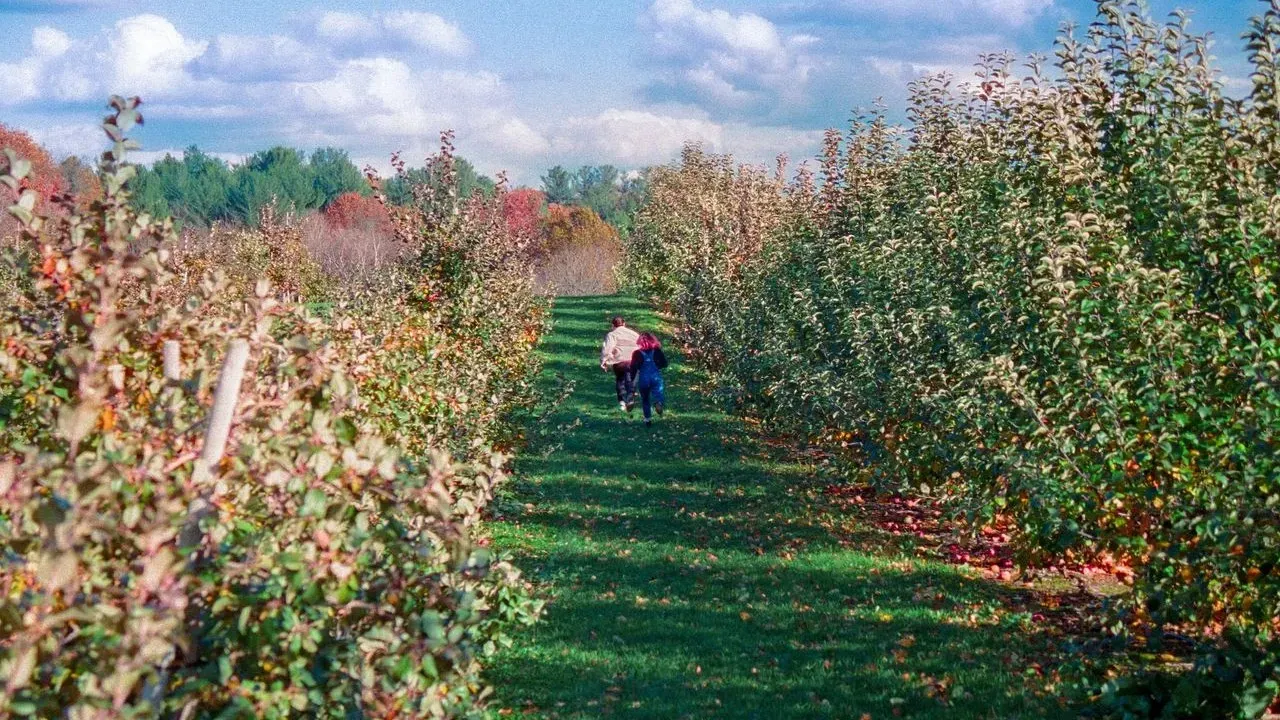

A historic property in New Hampshire stood idle for years before targeted gardening work restored its connection to the land. The revival centered on practical additions that aligned with the site’s original purpose rather than ornamental redesign. Raised beds, cut flowers, vegetables, and a greenhouse formed the core of the effort and returned the farm to active agricultural use.
Property Background and Prior Condition
The farm had long served agricultural functions typical of New England historic sites. Over time, active cultivation ceased and the grounds lost their productive character. Local records and visible remnants indicated the land once supported mixed crops and structures suited to year-round growing.
Stakeholders included the current owners and regional gardeners who recognized the opportunity to reverse the decline. Their approach emphasized continuity with past land use instead of introducing unrelated features. This choice reflected broader patterns in rural New England where older properties face pressure to either modernize or fall further into disuse.
Restoration Timeline and Key Decisions
Work proceeded in stages that prioritized soil recovery and infrastructure. Early efforts focused on clearing and preparing ground for new planting systems. Later phases added permanent structures that extended the growing season and diversified output. The owners coordinated with experienced gardeners to select methods suited to the climate and soil conditions. Decisions avoided large-scale earth moving in favor of contained systems that preserved existing topography. The result was a measured return to cultivation that respected the property’s scale and history.
Core Elements of the New Garden
Four main components defined the completed project. Raised beds organized vegetable production and improved drainage on the uneven terrain. Dedicated plots supplied cut flowers for local use and sale. A greenhouse provided controlled conditions for starting plants and extending harvests beyond outdoor limits.
These additions operated together rather than as isolated features. Vegetables supplied the primary food output, while flowers created additional revenue streams and visual interest. The greenhouse supported both categories by protecting seedlings and tender varieties through colder months.
The restoration relied on four integrated elements: raised beds, cut flowers, vegetables, and a greenhouse. Together they reestablished the farm’s agricultural function without altering its historic character.
Practical Outcomes for Owners and Community
The revived farm now produces consistent yields of vegetables and flowers. The greenhouse reduces dependence on external suppliers for starts and extends market availability. Local buyers and nearby markets gained access to fresh, regionally grown items that had been absent for years.
For the property owners, the changes created a sustainable operation that aligns with the site’s original purpose. Gardeners involved in the project gained a working example of how modest infrastructure can reactivate underused land. The overall effect demonstrates a replicable path for similar historic properties facing similar conditions.
AI Disclaimer: This article was created with the assistance of AI tools and reviewed by a human editor.