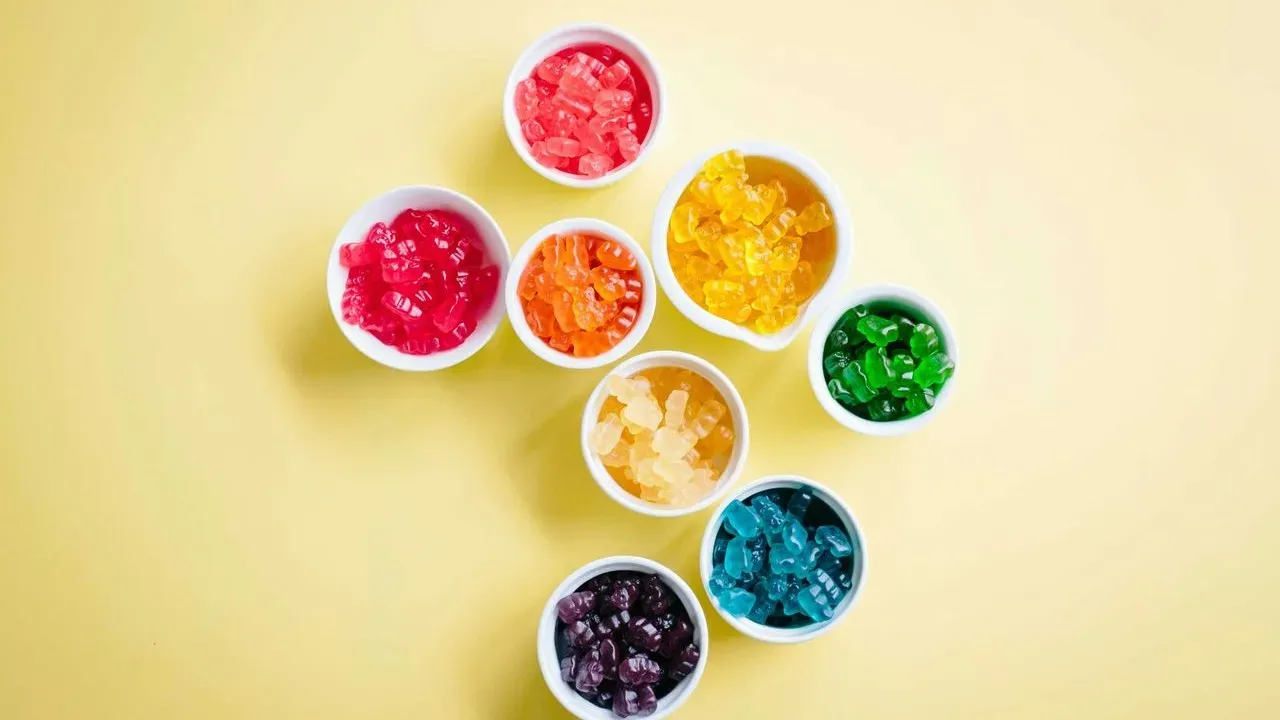

Shoppers continue to move toward foods made with natural colors, and the trend is showing up clearly in sales figures. A new report from the National Confectioners Association and RTI International compared growth rates for products using natural colors against those relying on synthetic dyes. The data indicate that items with natural colors expanded at a noticeably quicker pace.
Clear Sales Divide Emerges
The report examined confectionery and related food categories where color plays a visible role in consumer choice. Products formulated with natural colors posted stronger sales increases than their synthetic counterparts during the period studied. This gap appeared across multiple product lines rather than in isolated cases. Manufacturers have tracked similar patterns in recent years as ingredient lists receive closer scrutiny. The findings add concrete numbers to what many companies already observed in their own data. Retailers now face decisions about which formulations to prioritize on shelves.
Stakeholders Weigh Practical Effects
Food producers must balance reformulation costs against the potential for higher sales volumes. Confectionery makers, in particular, rely on vibrant colors to maintain product appeal, yet many have begun testing natural alternatives. Suppliers of plant-based and mineral-derived colorants stand to gain from any sustained shift. Retail buyers review these trends when deciding shelf space and promotional support. Consumers, meanwhile, encounter more options that align with preferences for simpler ingredient lists. The report does not detail exact timelines for full industry conversion, but it highlights measurable movement already underway.
Business Implications Take Shape
Companies that moved earlier toward natural colors may hold an advantage in categories where growth has accelerated. Those still dependent on synthetic dyes could see relative sales pressure if the pattern holds. Ingredient sourcing and stability testing become more central to product development plans. The comparison also underscores how consumer preferences translate into market outcomes without requiring regulatory changes. Industry groups often use such data to guide future research and member guidance. Broader food sectors beyond confectionery may examine the same dynamics in coming quarters.
What Matters Now
The sales differential documented in the report offers a snapshot of shifting demand rather than a prediction of complete replacement. Manufacturers and retailers will continue to monitor whether the gap widens or stabilizes. For now, the data provide one clear signal that natural colors are gaining ground in measurable ways.
AI Disclaimer: This article was created with the assistance of AI tools and reviewed by a human editor.