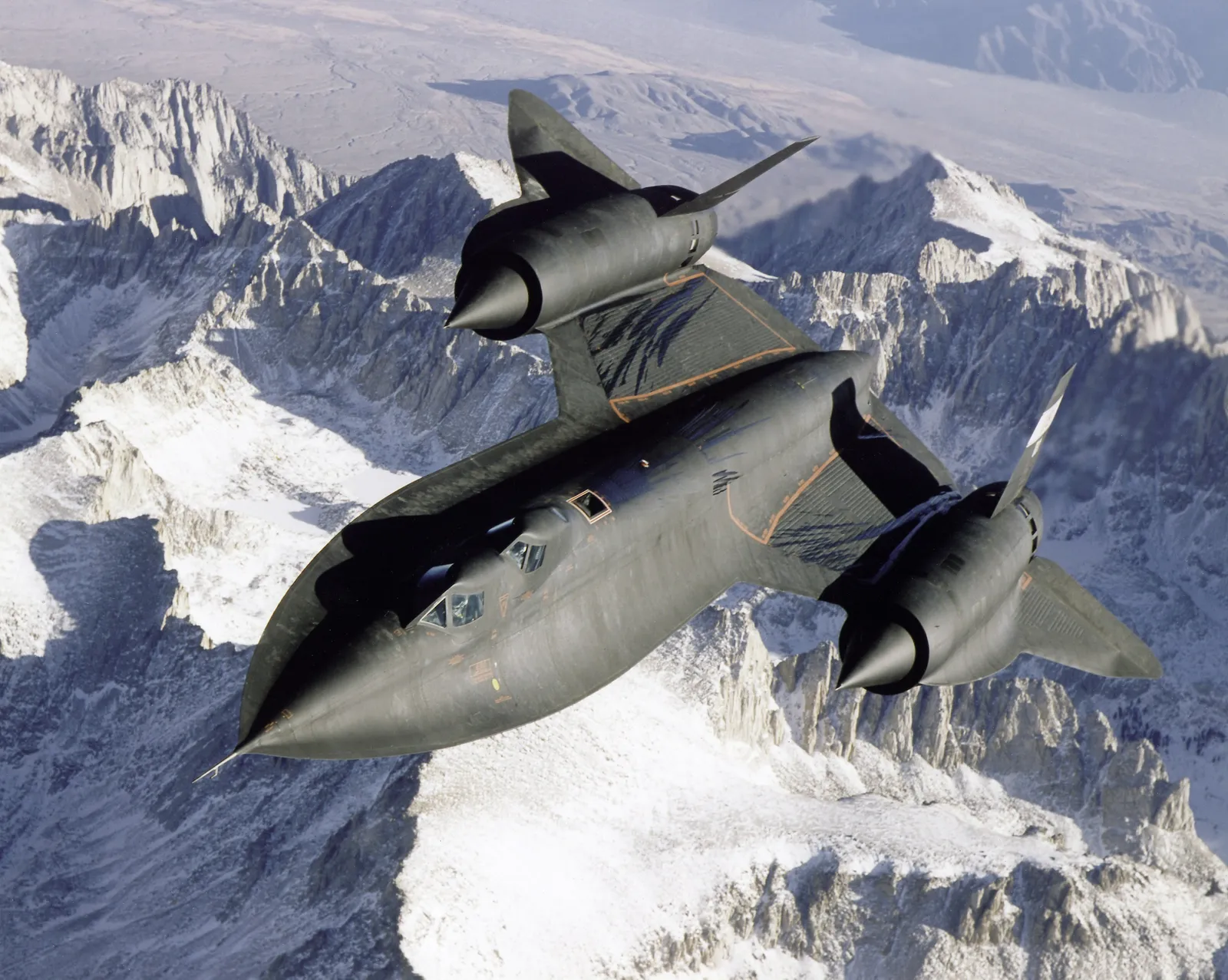

Passengers facing lengthy cross-country journeys may one day benefit from significantly shorter travel times if ongoing efforts to revive supersonic flight succeed. NASA recently conducted tests of its experimental X-59 aircraft in the California desert, focusing on a design that aims to fly faster than the speed of sound while limiting the disruptive noise traditionally associated with such speeds. The project targets routes like Los Angeles to New York, potentially reducing flight durations to less than three hours under the right conditions. Regulators, airlines, and travelers stand to gain from any progress that balances speed with community acceptance.
Practical Stakes for Aviation and Daily Travel
Current commercial flights between major U.S. cities often require four to six hours or more when accounting for airport procedures and routing. Supersonic options could compress those windows, freeing up time for business meetings, family visits, or leisure. The X-59 effort addresses a core barrier that grounded earlier supersonic programs: the sonic boom that restricted operations over land. By tackling noise at the source, the project seeks to open pathways for broader adoption without widespread public opposition.
Stakeholders include federal agencies responsible for certification, aircraft manufacturers eyeing future markets, and airport operators who would need to adapt infrastructure. Communities near flight paths represent another key group, as their tolerance for any residual sound will influence regulatory decisions. Early test results could shape investment priorities across the sector in the coming years.
California Desert Trials Mark a Key Milestone
The recent evaluations took place in a remote area suited for high-speed runs and acoustic measurements. Engineers monitored the aircraft’s performance during flights designed to validate its low-boom characteristics. These steps build on years of design work aimed at reshaping the pressure waves that create audible booms. Success here would represent incremental but meaningful movement toward operational supersonic travel within the United States.
Testing protocols emphasize data collection on both speed and sound levels. Teams compare results against established thresholds to determine whether the aircraft meets targets for reduced audibility. The desert environment provides consistent conditions for repeatable measurements, supporting reliable analysis of the jet’s behavior at various altitudes and velocities.
Engineering Focus on Noise Mitigation
Traditional supersonic aircraft generate strong pressure waves that propagate to the ground as loud booms. The X-59 incorporates shaping techniques intended to spread those waves more evenly, lowering peak intensity. This approach differs from earlier designs by prioritizing acoustic performance alongside aerodynamic efficiency. Developers expect the resulting sound to resemble a distant rumble rather than a sharp crack.
Validation requires both ground sensors and onboard instrumentation to capture the full profile of the pressure signature. Adjustments based on test data could refine the aircraft’s contours or flight parameters. Such refinements aim to keep the sonic signature within acceptable limits for overland routes, a requirement that has limited supersonic options since the Concorde era.
Next Steps and Industry Outlook
Following the California phase, further evaluations will examine the jet’s integration with air traffic systems and its performance across longer distances. Certification processes will involve multiple agencies to confirm safety and environmental compliance. Airlines and manufacturers will watch closely for signals on commercial viability.
Any eventual deployment would depend on economic factors, including fuel efficiency and ticket pricing relative to existing subsonic services. The timeline remains subject to technical outcomes and regulatory reviews, with no firm schedule for passenger service yet established. Continued progress could influence broader discussions on modernizing U.S. aviation capabilities.
Ultimately, the project’s trajectory will determine whether faster domestic travel becomes a practical option for more people or remains confined to specialized applications.
AI Disclaimer: This article was created with the assistance of AI tools and reviewed by a human editor.