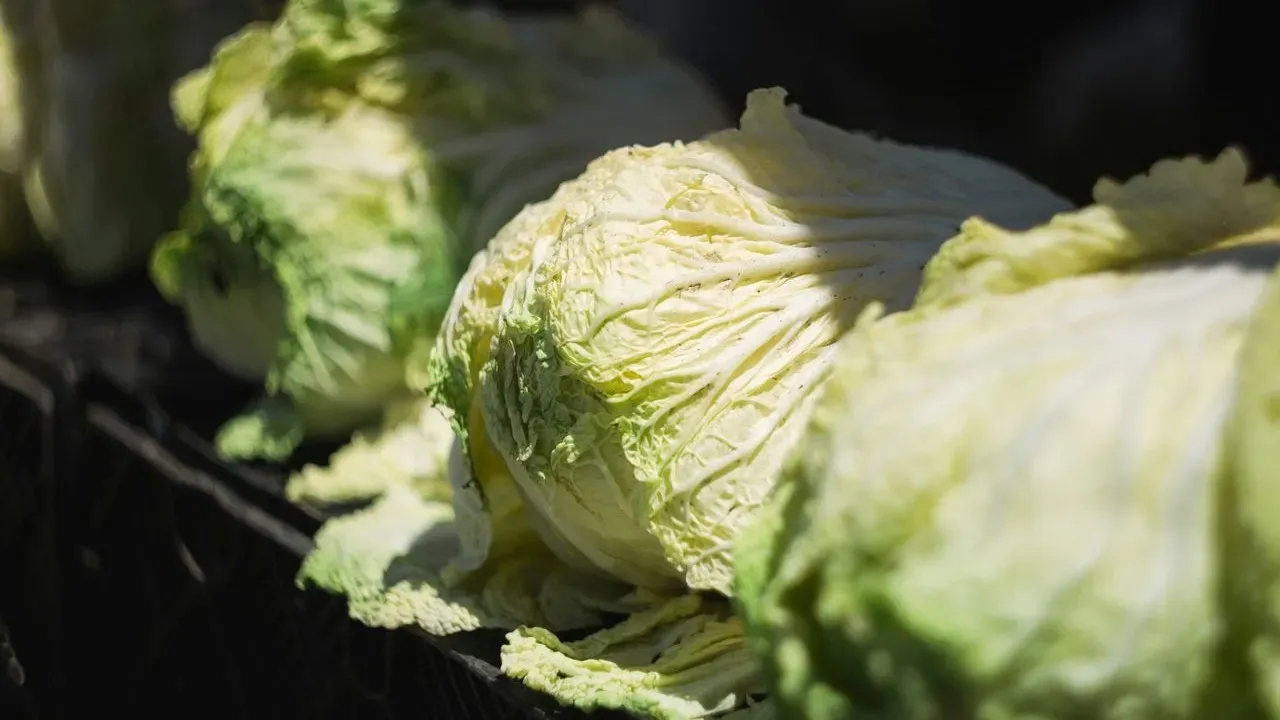

Home gardeners often pass over vegetables that deliver both simplicity and strong kitchen value. Napa cabbage, also known as Chinese cabbage, rewards those who give it space with crisp leaves and reliable results. Many return to it season after season because the plant fits neatly into existing beds and produces usable harvests without demanding constant attention.
A Crop That Rewards Curiosity
Napa cabbage earns its place through straightforward growth habits that suit a range of climates and garden sizes. It matures faster than many traditional cabbages, allowing gardeners to fit it between other plantings or even run a second round in the same year. The result is fresh, crunchy produce that moves directly from garden to table.
Its appeal extends beyond the plot. Cooks value the leaves for their mild flavor and firm texture, which hold up well in both raw and cooked dishes. This combination of ease in the garden and usefulness in the kitchen explains why the crop continues to attract attention from experienced and new growers alike.
Simple Steps That Lead to Success
Planting begins with choosing a spot that receives steady sun and offers fertile, well-drained soil. Seeds or young plants go into the ground in early spring or late summer, depending on local conditions. Consistent moisture helps the heads form without splitting, yet the plant tolerates brief dry spells better than some leafy greens.
Spacing matters less than many expect. Rows can sit closer together than with larger cabbage varieties, freeing room for companion crops such as onions or herbs. Light feeding midway through the season supports steady growth without encouraging excessive leaf production at the expense of head formation.
Harvest timing stays flexible. Gardeners can cut outer leaves as needed or wait for full heads to develop. Either approach yields usable produce, reducing pressure to pick everything at once.
From Garden to Kitchen
Once harvested, napa cabbage stores well in the refrigerator for several weeks. Its versatility shows in everyday meals, from quick sautés to longer-simmered dishes. The leaves also shred cleanly for fresh preparations that highlight their natural crunch.
Gardeners who grow their own supply gain control over freshness and avoid the variable quality sometimes found in stores. This direct connection between plot and plate adds satisfaction that store-bought alternatives rarely match.
What matters now: Napa cabbage offers a low-risk way to expand the vegetable garden while delivering produce that fits current cooking trends.
Adding this crop requires only modest adjustments to most planting routines. The payoff arrives in reliable harvests and new options at the table, making it a practical choice for anyone looking to refresh their garden plans.
AI Disclaimer: This article was created with the assistance of AI tools and reviewed by a human editor.