

Winter gardening presents unique challenges, from frost and freezing temperatures to reduced sunlight and moisture. However, with the right techniques, you can keep your garden thriving even during the coldest months. One of the most effective strategies for maintaining a healthy winter garden is mulching. Mulch not only enhances the aesthetic appeal of your garden but also provides essential protection and nourishment to your plants, ensuring they remain strong and vibrant throughout the winter season.
In this article, I’m excited to delve into the magic of mulching and explore how it can transform your winter garden. From understanding the different types of mulch to mastering the art of application and maintenance, each section is packed with detailed insights and practical tips. Whether you’re a seasoned gardener or just starting out, these strategies will help you harness the full potential of mulch, keeping your garden resilient and beautiful all winter long. Let’s uncover the secrets of mulching and make your winter garden flourish like never before!
Choosing the Right Mulch for Your Garden
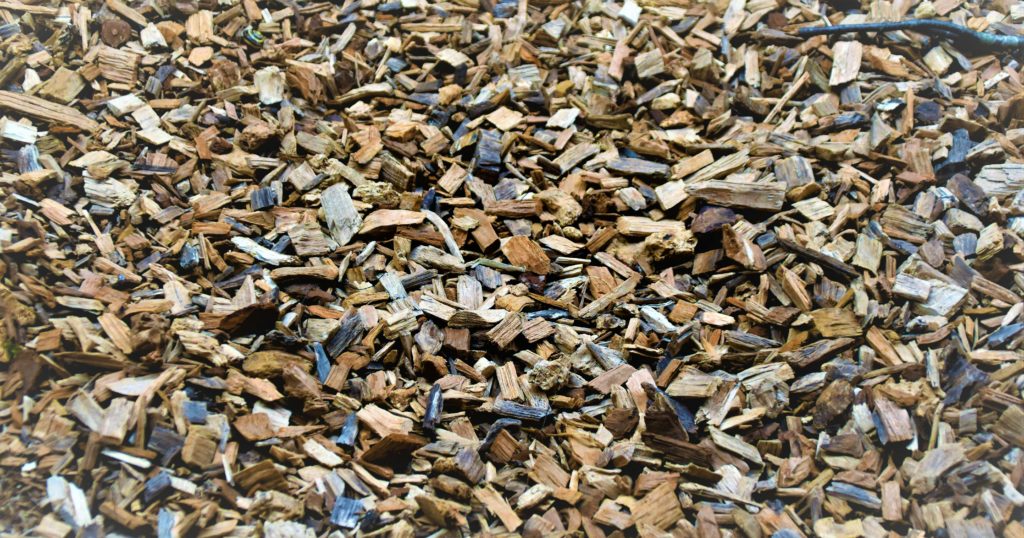
Selecting the appropriate type of mulch is crucial for maximizing its benefits in your winter garden. Organic mulches, such as shredded bark, straw, and compost, are excellent choices as they decompose over time, enriching the soil with essential nutrients. For instance, shredded hardwood bark, native to North America, not only provides effective insulation but also improves soil structure as it breaks down. On the other hand, inorganic mulches like gravel, stones, and black plastic offer long-lasting protection without the need for frequent replacement. While they don’t add nutrients to the soil, they excel at suppressing weeds and retaining moisture, making them ideal for certain garden areas.
It’s important to consider the specific needs of your plants and garden when choosing mulch. For example, deciduous plants like roses (Rosa spp.), native to Asia, benefit from organic mulches that retain moisture and regulate soil temperature, promoting healthy root development. Conversely, succulents and cacti, native to arid regions, thrive with inorganic mulches that provide excellent drainage and prevent soil erosion. By carefully selecting the right mulch type for each section of your garden, you ensure that your plants receive the optimal protection and nourishment they need to withstand the winter chill!
Applying Mulch Correctly

Proper application of mulch is essential to reap its full benefits and avoid potential issues. Start by preparing the soil around your plants, removing any weeds or debris that could interfere with mulch placement. Spread a layer of mulch about 2-4 inches thick around the base of each plant, ensuring that it does not touch the stems or trunks directly. This prevents moisture from getting trapped against the plant, which can lead to rot and disease. Additionally, keep the mulch a few inches away from the base to allow air circulation and prevent pests from nesting.
I understand how easy it is to overdo mulch application, but maintaining the right depth is key! Too much mulch can suffocate plant roots and create an environment conducive to pests and diseases, while too little may not provide adequate protection. For larger garden beds, consider creating raised mulch mounds or swales to further enhance moisture retention and soil temperature regulation. Regularly check your mulch layer throughout the winter, replenishing it as needed to maintain consistent coverage and effectiveness. By applying mulch correctly, you create a protective barrier that shields your plants from extreme cold and helps them thrive throughout the winter months!
Benefits of Mulching in Winter

Mulching offers a plethora of benefits that are particularly valuable during the winter season. One of the primary advantages is insulation; mulch acts as a blanket, protecting plant roots from extreme temperature fluctuations and preventing the soil from freezing solid. This insulation helps maintain a more stable soil temperature, ensuring that your plants’ roots remain active and healthy even in the coldest weather. Additionally, mulch retains soil moisture by reducing evaporation, which is crucial during winter when watering can be less frequent and natural moisture levels are lower.
Another significant benefit of mulching is weed suppression. By creating a dense layer over the soil, mulch inhibits the growth of weeds, reducing competition for nutrients and water. This not only makes your garden easier to maintain but also ensures that your plants receive the resources they need to thrive. Furthermore, organic mulches break down over time, enriching the soil with organic matter that improves its structure, fertility, and microbial activity. This natural fertilization process supports robust plant growth and enhances the overall health of your winter garden. Embracing the magic of mulching ensures that your garden remains vibrant, resilient, and full of life throughout the winter months!
Attracting Beneficial Insects with Mulch

Mulch plays a vital role in attracting and supporting beneficial insects, which are essential for maintaining a healthy garden ecosystem. Insects such as ladybugs, bees, and predatory beetles find refuge and nourishment within the mulched areas, helping to control pest populations naturally. For example, ladybugs, native to various regions, are attracted to the sheltered environment provided by mulch, where they can hunt for aphids and other harmful insects. This natural pest control reduces the need for chemical interventions, promoting a more sustainable and eco-friendly garden.
Additionally, mulch provides habitat for decomposers like earthworms and beetles, which break down organic matter and improve soil fertility. Earthworms, often referred to as the gardeners’ best friends, aerate the soil and enhance nutrient availability, benefiting plant roots and overall growth. By creating a welcoming environment for these beneficial insects and organisms, mulch helps establish a balanced and thriving garden ecosystem. I love how mulch not only protects my plants but also fosters a lively and dynamic habitat that supports the intricate web of life essential for a healthy and productive winter garden!
Choosing Organic vs. Inorganic Mulch

Deciding between organic and inorganic mulch depends on your garden’s specific needs and your personal gardening preferences. Organic mulches, such as wood chips, bark, and straw, are excellent for enriching the soil as they decompose, adding valuable nutrients and improving soil structure. These mulches are ideal for vegetable gardens, flower beds, and around shrubs and trees, where their ability to enhance soil fertility and support microbial activity is highly beneficial. For example, straw, native to temperate regions, is lightweight and easy to spread, making it a popular choice for vegetable gardens that require consistent moisture and nutrient levels.
In contrast, inorganic mulches like gravel, rubber, and landscape fabric provide long-lasting protection without the need for frequent replacement. These mulches are perfect for areas where you want minimal maintenance and maximum weed suppression, such as pathways, rock gardens, and around ornamental plants. While they don’t contribute to soil fertility, inorganic mulches excel at retaining moisture and preventing erosion, making them a practical choice for certain garden applications. Additionally, materials like black plastic mulch can help warm the soil, benefiting heat-loving plants during early spring. By understanding the distinct advantages of organic and inorganic mulches, you can make informed decisions that best suit your garden’s unique requirements and ensure its continued health and beauty throughout the winter!
Maintaining Mulch Throughout the Season

Maintaining your mulch layer is essential to ensure its continued effectiveness and longevity throughout the winter. Over time, mulch can become compacted, depleted of its insulating properties, and less effective at suppressing weeds and retaining moisture. Regularly inspecting your mulch and replenishing it as needed helps maintain an optimal depth and ensures that your garden remains protected from the harsh winter elements. For organic mulches, this might involve adding fresh layers of wood chips, straw, or shredded leaves to replace what has decomposed or been displaced by wind and weather.
Additionally, turning or fluffing the mulch periodically can help restore its insulating properties and prevent compaction. This also allows for better air circulation within the mulch layer, promoting microbial activity and decomposition of organic materials. For inorganic mulches, ensure that they remain in place and free from debris that could block light and airflow. Removing any weeds that manage to penetrate the mulch and adjusting the coverage as needed keeps your garden beds clean and well-protected. By maintaining your mulch throughout the season, you maximize its benefits, ensuring that your winter garden remains healthy, resilient, and beautifully adorned with the magic of mulch!
Mulch Depth and Coverage

Achieving the correct depth and coverage of mulch is crucial for maximizing its protective and nourishing benefits in your winter garden. A general guideline is to apply a layer of mulch that is 2-4 inches thick around your plants, ensuring even coverage without smothering the foliage. This depth is sufficient to insulate the soil, retain moisture, and suppress weed growth while allowing air and water to penetrate effectively. However, the ideal mulch depth can vary depending on the type of mulch and the specific needs of your plants. For instance, heavier mulches like wood chips may require a slightly thicker layer to provide adequate insulation, while lighter mulches like straw can be applied more thinly.
Proper coverage is equally important to ensure that all parts of the plant are adequately protected. Make sure to spread the mulch evenly around the base of each plant, covering the root zone without piling it up against the stems or trunks. This prevents moisture from getting trapped against the plant, reducing the risk of rot and disease. Additionally, maintaining a consistent mulch layer across your garden beds helps create a uniform appearance and ensures that each plant receives the same level of protection and nourishment. By carefully managing mulch depth and coverage, you optimize its benefits, creating a well-protected and thriving winter garden that stands strong against the cold and continues to flourish throughout the season!
Using Mulch to Protect Plant Roots
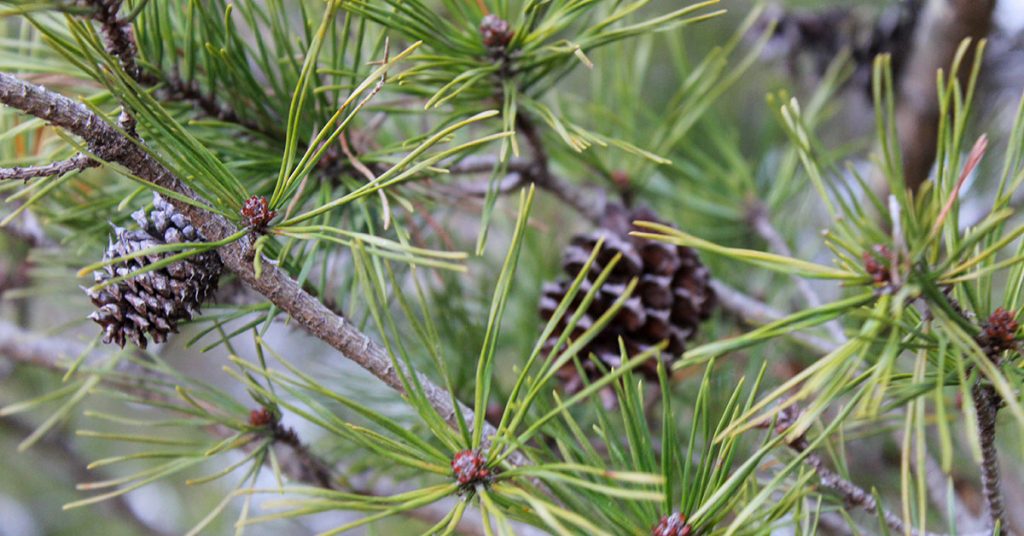
Mulch serves as a vital barrier that protects plant roots from extreme temperature fluctuations and harsh winter conditions. By insulating the soil, mulch helps maintain a more consistent temperature around the roots, preventing them from freezing and thawing rapidly, which can cause damage and stress to the plants. This stable environment encourages healthy root development, allowing plants to absorb nutrients and water more efficiently even during the coldest months. For example, evergreen trees like pines (Pinus spp.), native to the Northern Hemisphere, benefit greatly from mulched root zones that protect their extensive root systems from frost damage.
Moreover, mulch acts as a moisture regulator, ensuring that the soil remains adequately moist without becoming waterlogged. This is particularly important during winter when watering can be less frequent, and natural moisture levels are lower. By retaining soil moisture, mulch prevents roots from drying out and reduces the likelihood of winter desiccation, where plants lose moisture through their roots faster than they can absorb it. Additionally, mulched root zones discourage the growth of weeds, which can compete with your plants for essential nutrients and water. By using mulch to protect plant roots, you create a nurturing and resilient foundation that supports robust plant health and growth throughout the winter season!