
As the days start getting shorter and the nights bring that unmistakable crispness, many of us gardeners start looking at our favorite plants and wondering which ones might not survive the coming chill. It’s not always easy to decide what should come inside—some plants might look tough enough to weather the cooler temperatures, but a single frosty night can cause irreversible damage. I’ve learned the hard way that even plants that seem fine one day can suddenly wilt or drop leaves overnight if they’re not protected in time.
Bringing plants indoors before fall isn’t just about preventing frost damage—it’s about maintaining their health so they can keep thriving year after year. Many tropicals, tender perennials, and container plants can live for decades if you protect them from winter extremes. Plus, moving them inside early allows them to adjust to the lower light and humidity levels before the real cold sets in. Let’s look at some of the plants that benefit most from making the move indoors now so you can keep them flourishing through the colder months.
Hibiscus

Tropical hibiscus (Hibiscus rosa-sinensis) comes from warmer regions of Asia and the Pacific islands, and it simply isn’t built to handle freezing temperatures. While hardy hibiscus varieties can withstand frost, tropical hibiscus should be brought inside well before temperatures drop into the low 50s°F. These plants can keep flowering indoors if given enough light, making them a cheerful addition to your home during the darker months.
Outdoors, hibiscus flowers attract hummingbirds, butterflies, and bees with their large, showy blooms. Indoors, while you won’t get wildlife visitors, you’ll still enjoy those stunning blossoms. Hibiscus is not invasive when grown in containers, but keep in mind it likes regular watering and consistent warmth—no drafty windows, please! A bright south-facing window or supplemental grow light will help it keep producing vibrant flowers.
Bougainvillea
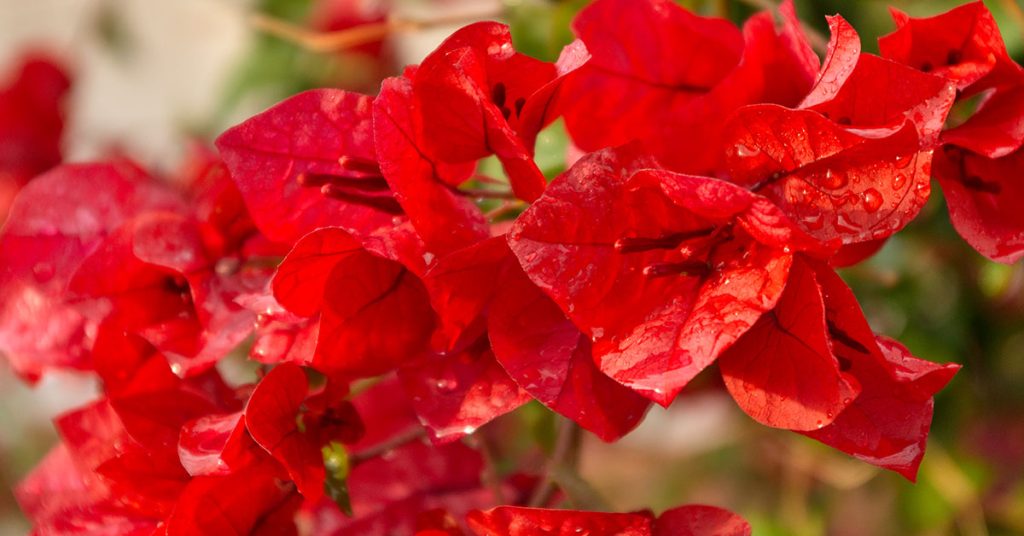
Bougainvillea, native to South America, is beloved for its brilliant, papery bracts that surround small, delicate flowers. While it thrives in warm, sunny conditions outdoors, it struggles in cooler climates once temperatures dip below 40°F. Bringing it inside before the chill hits ensures it won’t lose all its leaves or go into deep shock.
Outside, bougainvillea is a magnet for pollinators like bees and butterflies, and it can be a nesting site for small birds in warmer climates. Indoors, it will need a sunny window or strong artificial lighting to maintain healthy growth and vibrant color. It’s not considered invasive when kept in containers, though in frost-free regions it can grow vigorously and even become unruly if not pruned regularly.
Mandevilla

Mandevilla, native to South and Central America, is a tropical vine that puts on a dazzling display of trumpet-shaped flowers. While it can handle summer heat with ease, it’s extremely frost-sensitive, and temperatures below 50°F can quickly damage it. Moving it inside before fall keeps it healthy, and it may continue to bloom if given ample light.
In the garden, mandevilla attracts hummingbirds and large pollinating insects with its nectar-rich blooms. Indoors, its climbing habit means you can train it on a trellis or let it cascade from a hanging basket. It’s not invasive in most areas, but because it grows so quickly in the right conditions, it does require regular pruning to keep its shape.
Caladium

Caladiums, native to tropical South America, are prized for their colorful, heart-shaped leaves rather than flowers. They’re incredibly sensitive to cold, with foliage beginning to decline as soon as nighttime temperatures dip below 60°F. Bringing them inside extends their beauty and prevents the tubers from rotting due to cool, damp soil.
Caladiums aren’t known for attracting pollinators, but they do create lush ground cover outdoors. Indoors, they shine as decorative foliage plants in bright, indirect light. They aren’t invasive, and in fact, they’ll often slow their growth indoors over winter, allowing you to reduce watering and let them rest before putting them back outside in spring.
Geranium
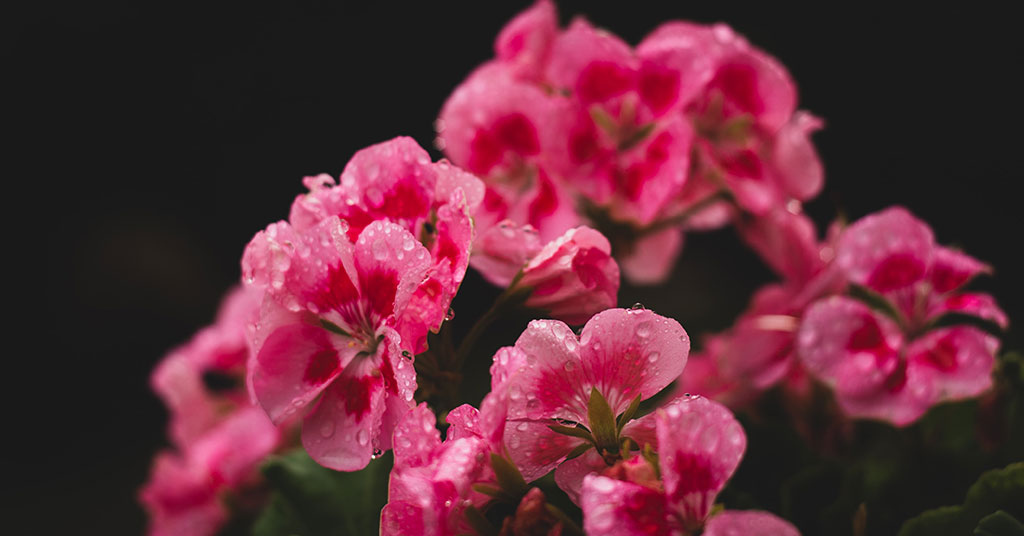
Zonal and ivy geraniums (Pelargonium spp.), originally from South Africa, are often treated as annuals in cooler climates—but they can live for years if brought indoors before frost. These sun-loving plants prefer temperatures above 50°F, so moving them inside early gives them time to adapt to lower light conditions without dropping too many leaves.
Geraniums attract bees and butterflies outdoors, and indoors, they’ll continue to flower if given enough light. They’re not invasive and do quite well in containers, though you may need to prune them back to encourage bushy growth. A sunny window is their best friend once inside.
Coleus

Coleus, native to Southeast Asia and Malaysia, is adored for its striking, multicolored foliage. It’s highly frost-sensitive, with leaves that can blacken and drop at the first sign of cold. Bringing it indoors before fall keeps those brilliant colors intact for months longer.
While coleus isn’t a major pollinator plant, its tiny flowers can attract bees if left to bloom outdoors. Indoors, it’s all about the leaves—keep it in bright light to prevent fading, and pinch back growing tips to maintain a full, bushy look. Coleus is not invasive in containers but can self-seed prolifically in warmer climates if allowed to flower.
Begonia
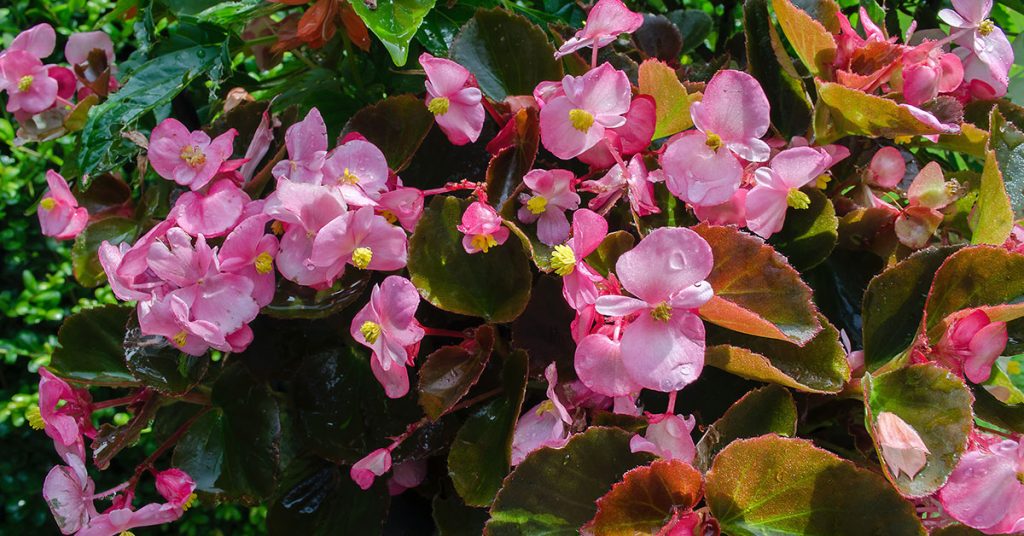
Tropical begonias, particularly rex and cane types, are native to humid forests in Asia and Central/South America. They can’t tolerate frost and should be moved indoors well before temperatures dip below 55°F. Inside, they make excellent houseplants, thriving in indirect light and moderate humidity.
Outdoors, their flowers may attract pollinators, while the dense foliage offers shelter for small insects. Indoors, their intricate leaves become the main attraction. They’re not invasive, but they can be prone to mildew in poorly ventilated spaces, so keep air circulation in mind when placing them.
Gardenia
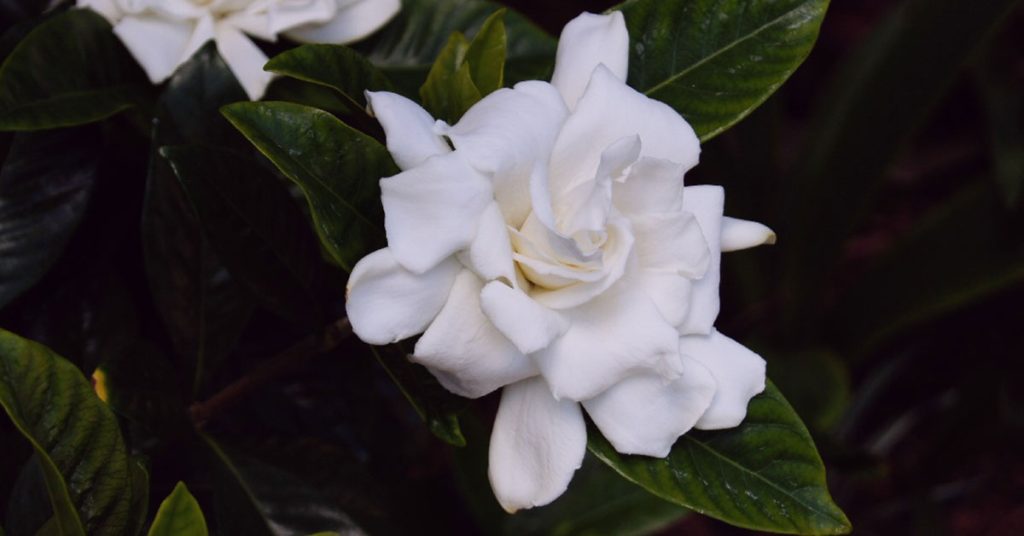
Gardenias, native to parts of Asia, are famous for their intoxicatingly fragrant white blooms. Unfortunately, they’re quite fussy about cold, and any temperature below 50°F can stress them. Bringing them inside before fall allows you to keep enjoying their scent and glossy green leaves all winter.
Outdoors, gardenia flowers attract pollinators such as moths and bees. Indoors, while pollination isn’t an issue, they still need bright light and steady moisture to stay healthy. Gardenias are not invasive, but they can be a little temperamental—once they find a spot they like inside, avoid moving them around too much.
Elephant Ear

Elephant ears (Colocasia and Alocasia spp.) come from tropical Asia and the Pacific islands, and they’re all about lush, oversized leaves. They’re very sensitive to cold, with foliage often collapsing after the first cool night. Moving them indoors early helps preserve their beauty and protects their tubers from damage.
These plants can create a jungle-like feel outdoors and sometimes serve as shelter for frogs or insects. Indoors, they need bright light and regular watering to keep those massive leaves in good shape. They’re not invasive in most temperate regions, but in certain warm climates, Colocasia can spread aggressively if planted in the ground.
Jasmine

Tropical jasmine varieties, like Jasminum sambac, hail from warmer parts of Asia and require protection from frost. Moving them indoors before fall not only saves them from cold damage but also allows you to enjoy their sweet fragrance inside. With enough light, they may even keep blooming through the winter months.
Outdoors, jasmine flowers are highly attractive to bees, butterflies, and other pollinators. Indoors, you won’t have those visitors, but you will have a living air freshener! Jasmine is not invasive when kept in containers, though in tropical climates it can grow vigorously and needs regular pruning.
Fuchsia

Fuchsias, native to Central and South America, can’t handle frost, and many varieties begin to suffer when nighttime temperatures fall below 50°F. Moving them indoors early prevents stress and helps them adjust to the lower light levels. They’ll often keep flowering if you give them enough sunlight.
These plants are beloved by hummingbirds outdoors, thanks to their pendulous, nectar-rich flowers. Indoors, you’ll still enjoy their beauty, even without the wildlife visitors. Fuchsias aren’t invasive, but they do require consistent care—keep them watered, but avoid letting them sit in soggy soil.
Aloe Vera
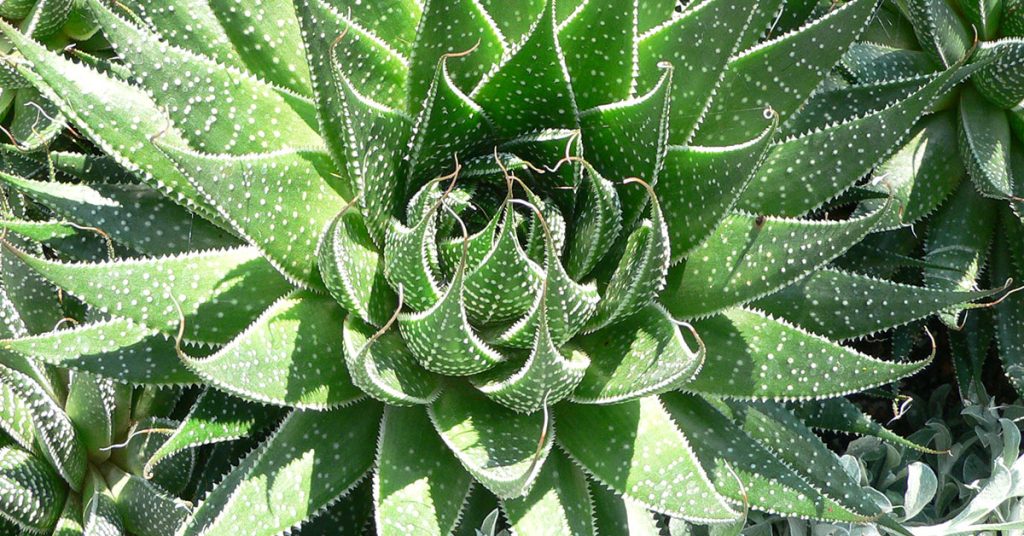
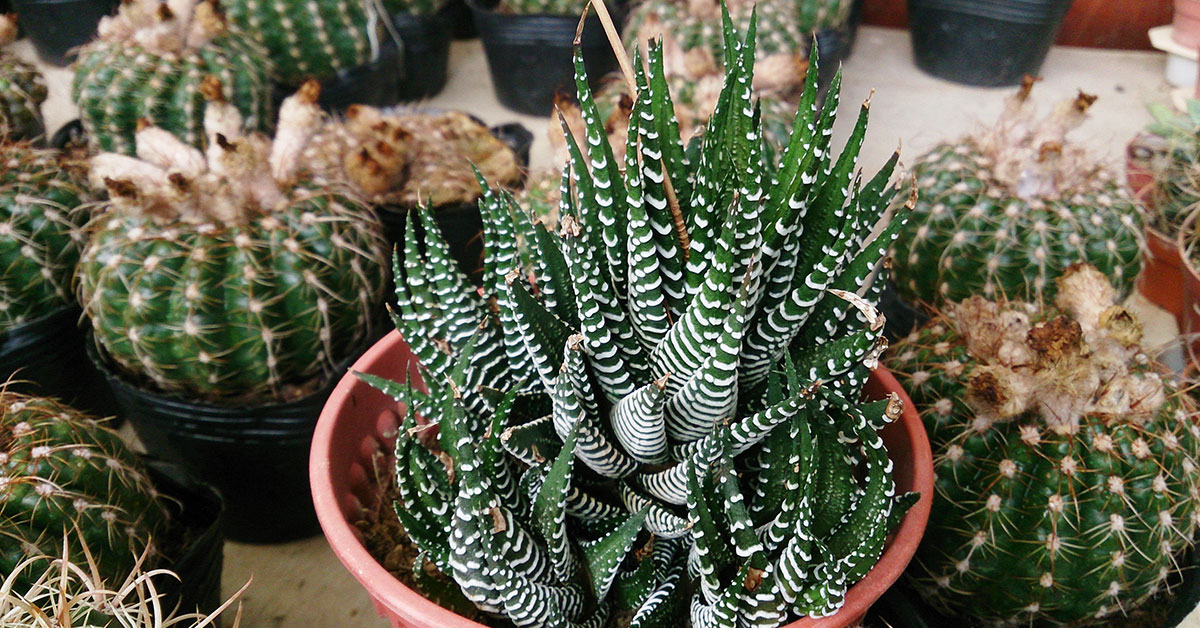
Aloe vera, native to the Arabian Peninsula, is more cold-sensitive than many people realize. While it can tolerate short bursts of cooler weather, it will suffer in prolonged temperatures below 50°F. Bringing it inside before fall ensures it stays healthy and ready to provide you with soothing gel for skin irritations.
Outdoors, aloe’s flowers can attract hummingbirds and certain insects, but indoors it will mostly focus on leaf growth. Aloe vera is not invasive and makes an easygoing houseplant as long as you don’t overwater it. A bright, sunny window will keep it happy through the winter months.