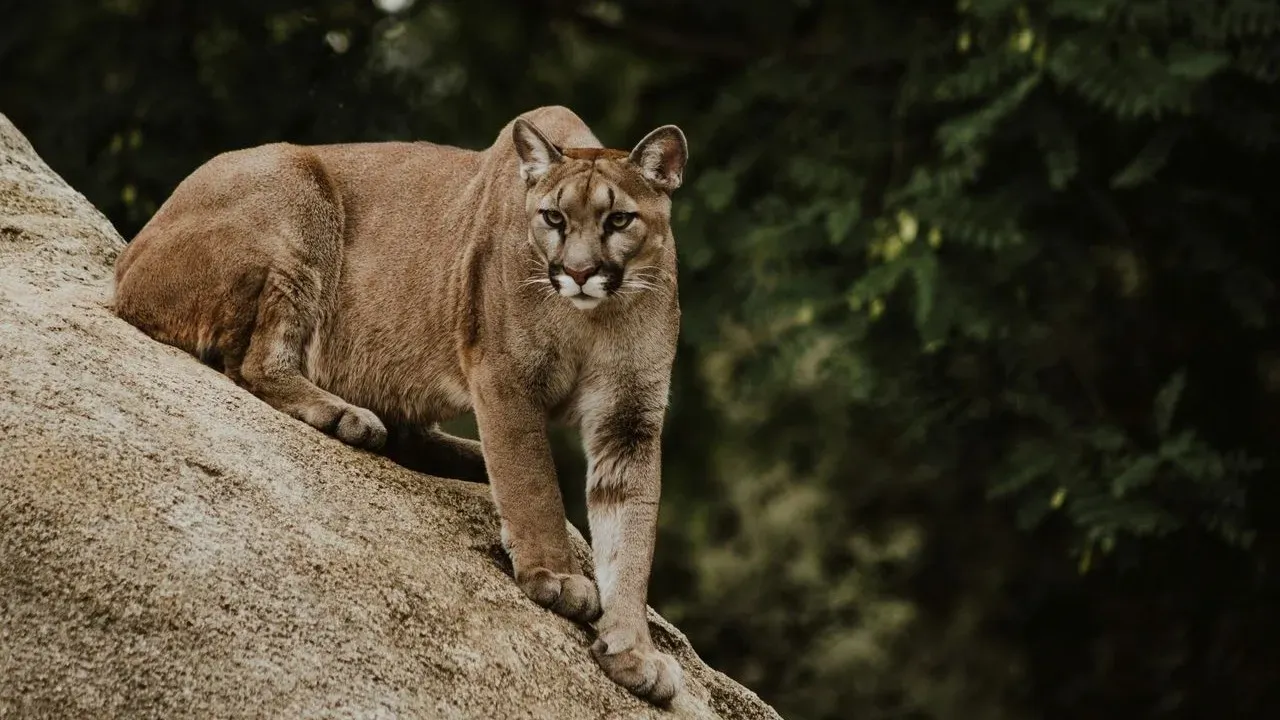

San Dimas residents received an unexpected wildlife visit when a mountain lion appeared in a neighborhood setting. Wildlife officials responded quickly to secure the animal and ensure public safety. The episode underscores how suburban expansion continues to bring people and large predators into closer contact.
Response on the Ground
Officials arrived to assess the situation and determine the safest way to handle the animal. They used standard tranquilizer equipment to immobilize the mountain lion without causing unnecessary harm. The process required careful coordination to avoid startling the cat further or endangering nearby homes. The team monitored the animal closely throughout the operation. Once the sedative took effect, they moved in to complete the capture. The entire sequence unfolded in a residential area, prompting temporary precautions for anyone in the immediate vicinity.
Unexpected Twist With the Dart
Before the sedative fully worked, the mountain lion chewed on one of the darts and spat it out. That detail stood out because it showed the animal reacting directly to the equipment rather than succumbing immediately. Officials still completed the sedation successfully despite the complication. Such moments illustrate the unpredictable nature of working with wild animals in developed spaces. The dart incident did not derail the effort, yet it added a memorable element to an otherwise routine response. Crews later removed the animal from the neighborhood for further evaluation.
Why These Encounters Matter
Mountain lions occasionally wander into suburban zones as habitat boundaries shift. San Dimas sits near open spaces where the cats naturally roam, making occasional sightings possible though still uncommon. Each case draws attention to the need for awareness when living near wildlife corridors. Communities in similar foothill regions have seen parallel reports over recent years. Officials emphasize prevention through secured trash, pet supervision, and reporting unusual activity promptly. These steps reduce the chance of repeated close calls without requiring dramatic changes to daily life.
What matters now
Residents should stay alert for signs of large wildlife and contact authorities rather than approaching any animal directly. Continued habitat awareness helps both people and mountain lions coexist more safely in shared landscapes.
Looking Ahead
Wildlife agencies continue to refine response protocols for urban-edge incidents. The San Dimas case serves as a reminder that even brief visits can be managed effectively when handled by trained professionals. Ongoing monitoring of local populations supports better planning for both conservation and community safety.
AI Disclaimer: This article was created with the assistance of AI tools and reviewed by a human editor.