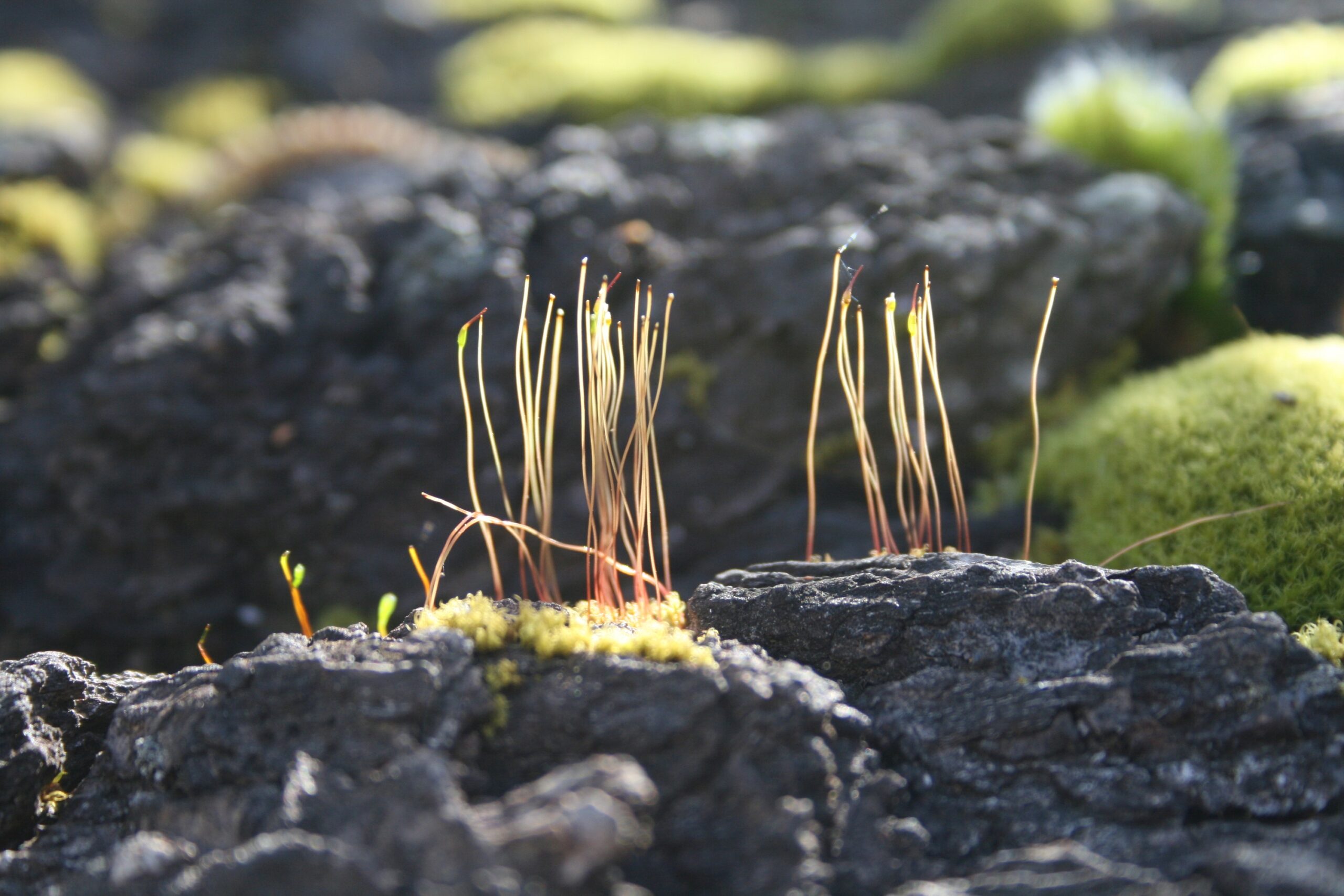

Walk across a yard slowly going green and velvety in all the wrong places, and your first instinct might be to grab a rake. That’s a fair reaction. What’s harder to see, though, is that the moss isn’t really the problem. It’s more like a messenger.
Moss moves in when something in the soil has shifted in its favor, and what it tells you about those underground conditions is often far more useful than any quick-fix treatment. Understanding that message is where things get interesting.
Moss Is a Symptom, Not the Problem
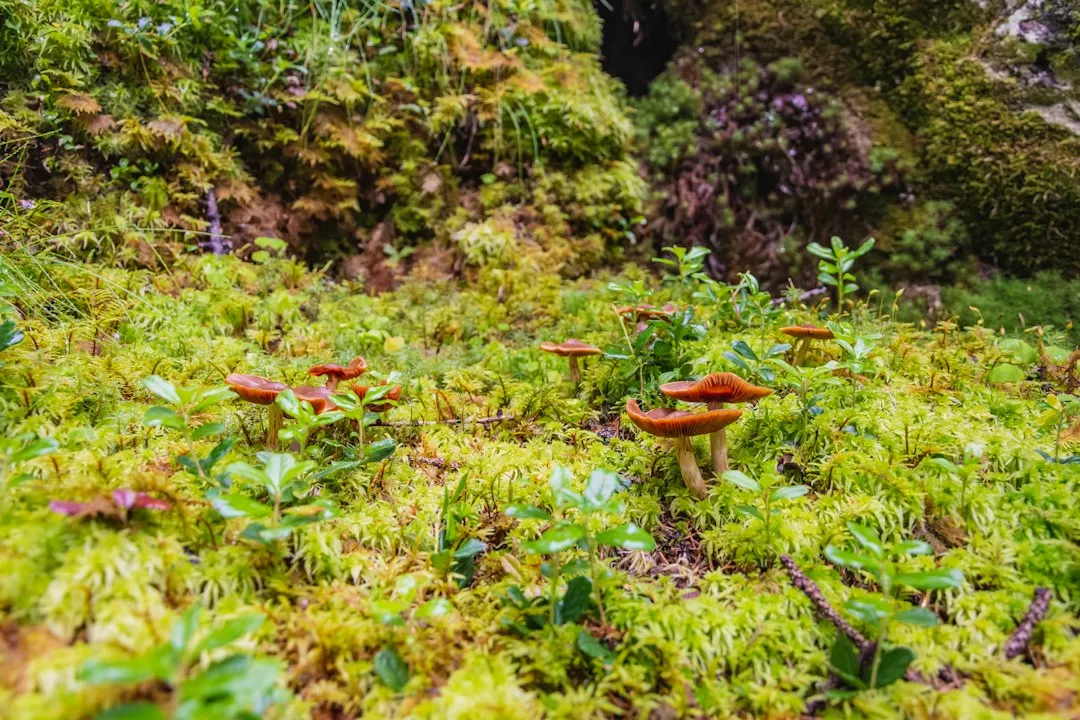
When you have moss in your lawn, the moss itself is not the problem. The real problem is that you’re trying to grow grass in a spot where it won’t grow well. If the grass is not growing well, moss simply takes advantage of the situation and moves in.
Moss does not invade vigorous turf. Instead, it develops as turfgrasses thin out when growing conditions happen to favor moss over grass. In this way, a spreading moss patch is less an attack and more an ecological response to conditions that were already failing the lawn. The soil is speaking first; the moss is just the visible consequence.
Low Soil pH: The Acid Signal
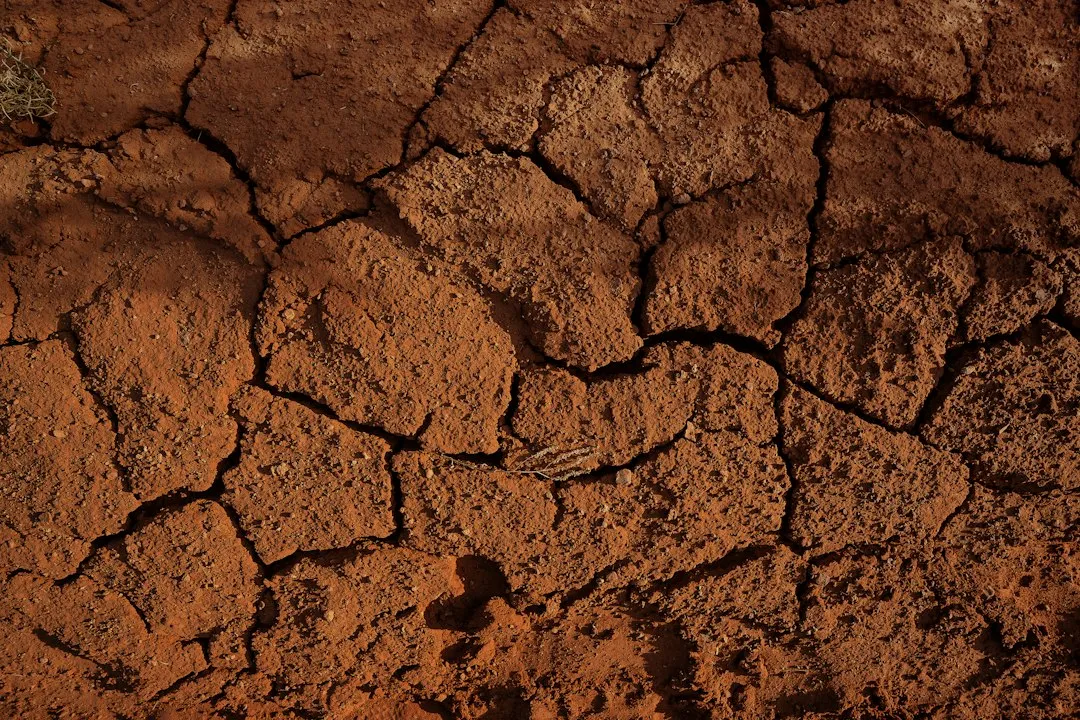
The number one underlying cause of moss invasion is often a poor pH level or lack of nutrients within the soil. Ideal growing conditions for grass sit between a pH of 6.5 and 7.0. Anything below 6.5 is considered to have high acidity and could prompt the growth of moss within the lawn.
Moss prefers to grow in acidic conditions, often between pH 5.0 and 5.5. If your yard has acidic soil, moss is more likely to take hold. This is one of the clearest soil signals moss can give you. Acidic soil conditions inhibit grass growth while favoring moss development, and these conditions are often caused by leaching, high rainfall, or decaying organic matter.
Compacted Soil: When Ground Can’t Breathe
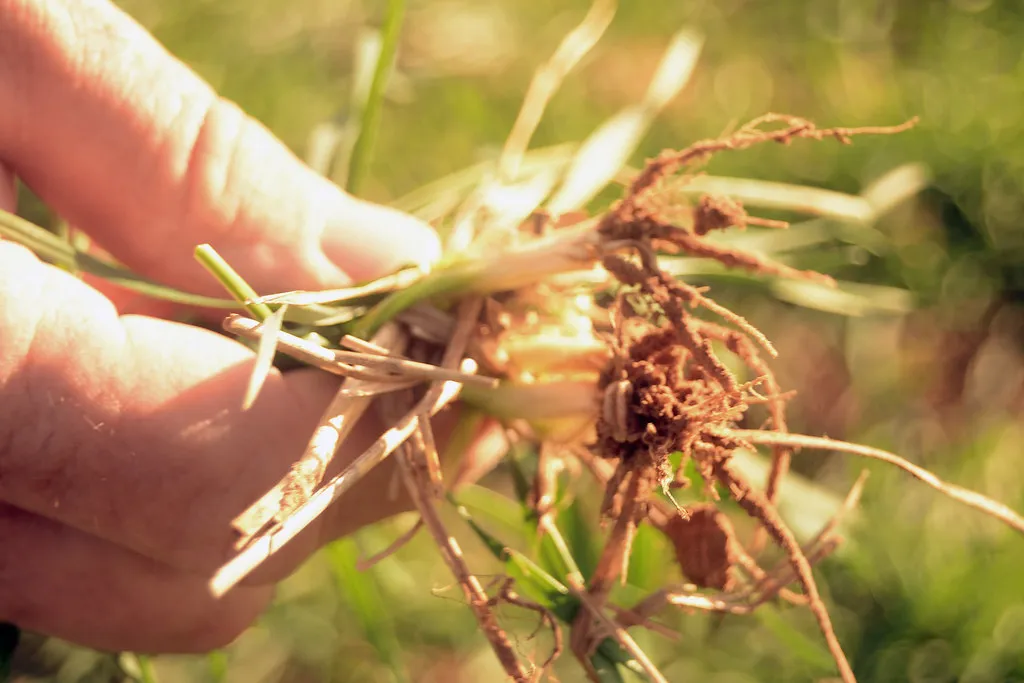
Soil compaction prevents a lawn from thriving. It also prevents internal drainage and creates wet conditions favorable to mosses. When the top four inches of soil are compacted, movement of air, water, and nutrients to the grass roots is adversely affected, and it becomes difficult for grass roots to penetrate at all.
Compacted soil restricts the flow of air, water, and nutrients, which grass needs to thrive. Moss is less picky and will often move into these compacted areas. Foot traffic over years, heavy clay soils, and even repeated shallow mowing all contribute to this gradual tightening of the soil structure. The moss that follows is a reliable sign that the ground beneath has effectively closed off to grass roots.
Poor Drainage: A Soggy Foundation
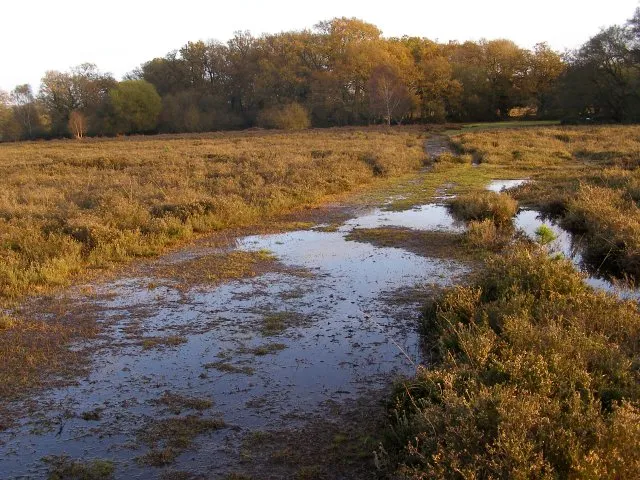
While mosses will grow in well-drained soil, they grow better in wet soil than grasses do. Excessively wet soil is one of the more difficult conditions to correct. Poor drainage can stem from natural low spots in the landscape, clay-heavy subsoils, or compaction that traps water near the surface.
Another factor that encourages moss invasion is overwatering or poor drainage. Monitoring soil moisture levels before watering is important, as overwatering will result in a thinning of the turfgrass canopy that allows moss to invade. Lawns established on high water tables may even require the installation of subsurface drainage to give grass a real chance.
Low Soil Fertility: The Nutrient Deficit
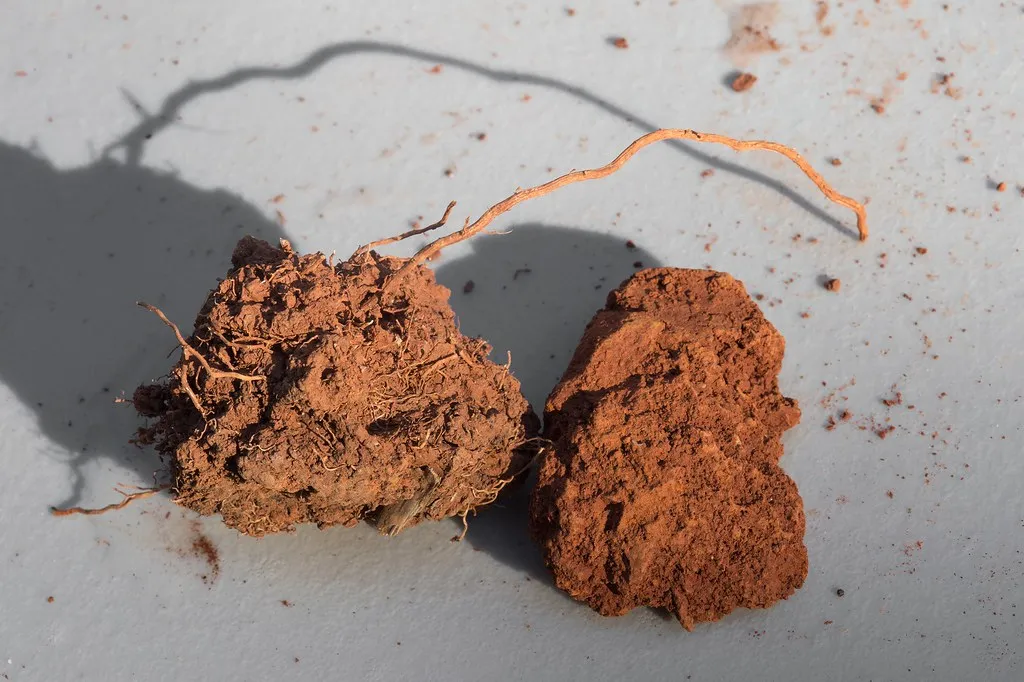
Moss of most kinds indicates soggy, acidic soil that is low in nutrients. This shows up clearly in scientific soil indicators, too. Research published in the National Institutes of Health journals found that pH and available phosphorus in moss-growth areas were significantly lower than in non-moss-growth areas.
Nitrogen deficiency causes grass to turn yellow or pale green, with growth slowing significantly. When a lawn is chronically underfed, the turf thins and weakens over time, leaving those bare stretches that moss colonizes so efficiently. When soil is low in essential nutrients, it becomes harder for grass to grow thick and strong, giving moss exactly the space it needs to spread.
Excessive Shade: Where Sunlight Disappears
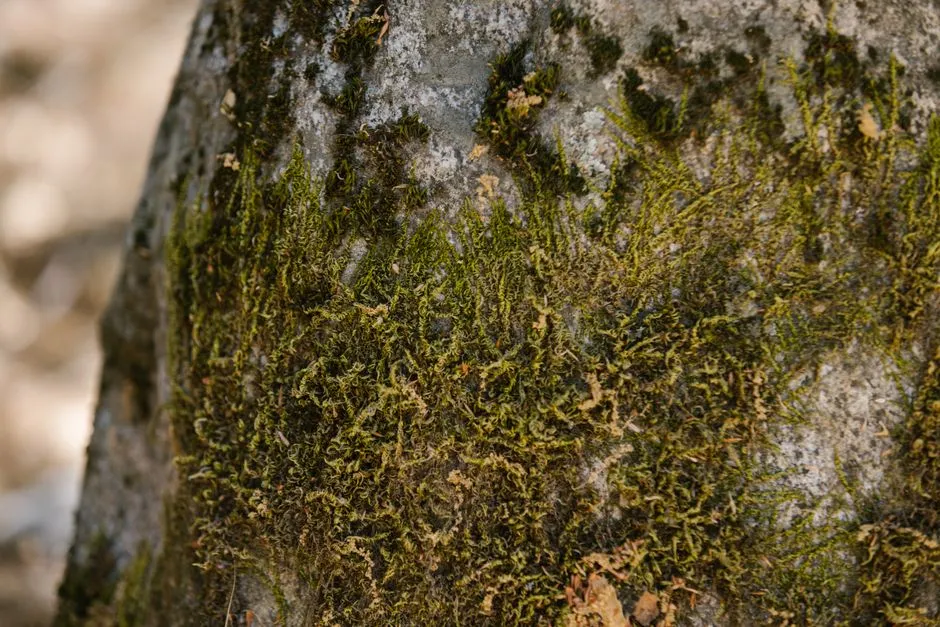
Shaded locations typically see the most moss, as lawn grasses, even shade-tolerant species, do not thrive in shade the way moss does. Trees grow larger over the years and their canopies spread, gradually darkening areas that once supported healthy turf. That slow creep of shade is one of the most common triggers homeowners overlook.
Many species of moss are tolerant of dense shade and prefer moist soil in those shaded areas. Pruning trees and shrubs to improve air circulation and light penetration is a good starting point when shade is a confirmed factor. Still, in truly dense canopy situations, grass may never win that battle regardless of other improvements.
What a Soil Test Actually Reveals
A very important step for any homeowner dealing with moss is having a soil test performed. It will reveal what your soil pH is and what type of nutrients are required to sustain a healthy lawn. Without this data, many people apply lime or fertilizer as a guess, sometimes making the problem worse.
Adding limestone is a common remedy mentioned for moss control, but it is not suggested unless a soil test has shown the pH genuinely needs to be raised. Many soils in northern Illinois, for example, already have high pH values, and adding limestone will push the pH even higher, adding to the lawn’s problem. Soil testing every three years is a reasonable and widely recommended schedule.
The Role of Mowing Height and Lawn Care Habits
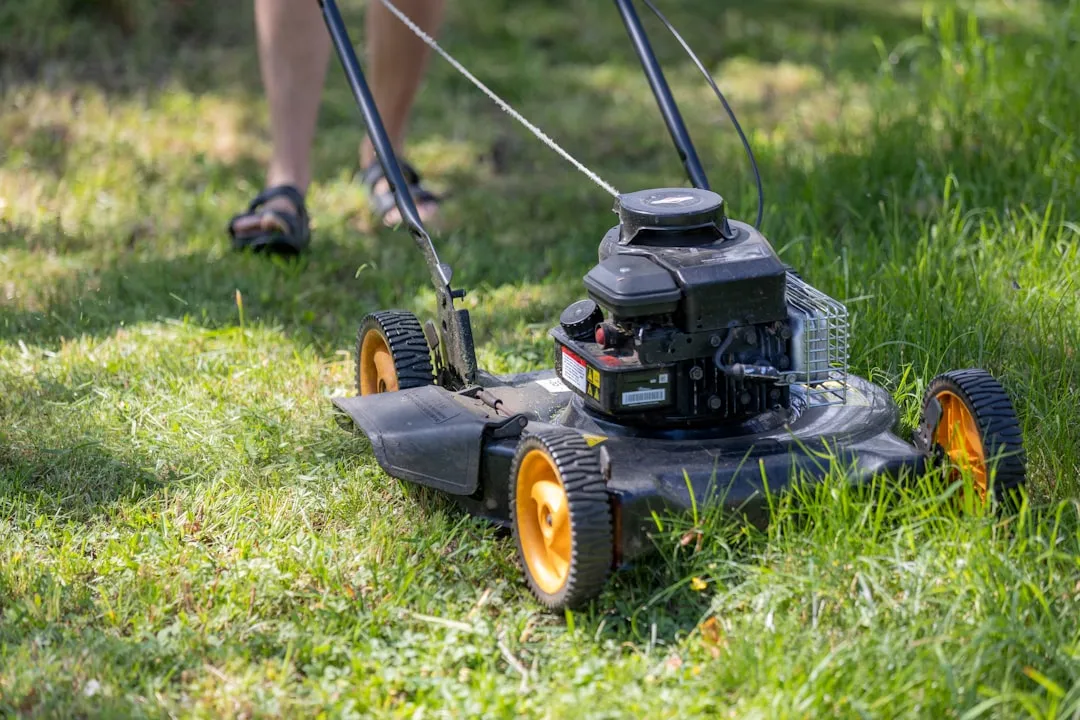
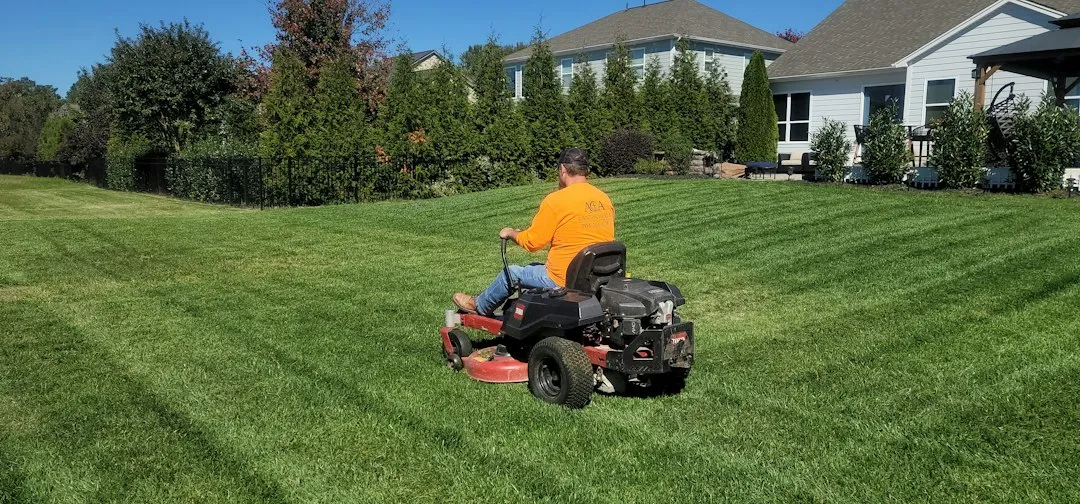
Excessively short mowing may be a source of the moss problem, and a mowing range of three to four inches is ideal for most lawn grasses. Regular mowing based on the rate of growth, and avoiding removal of more than one-third of the leaf blade, also matters.
Poor lawn care practices are another source of moss problems. A general lack of care, including irregular mowing and little or no fertilizer applications, are common problems leading to poor turf growth. These habits wear down the lawn’s resilience incrementally, turning borderline conditions into outright openings for moss. The connection between day-to-day care and soil health is closer than most people realize.
Core Aeration as a Diagnostic and a Fix
Core aeration will help alleviate soil compaction and improve growing conditions for grass. The process involves physically removing cores of soil from the lawn, and for some lawns it should be repeated annually. This intervention does double duty: it addresses one of the root causes that moss exploits and it also opens the soil to nutrients, water, and air that grass desperately needs.
Core aerating may also help solve soil surface drainage and compaction issues at the same time. Aerating your lawn improves air circulation in the soil, reduces compaction, and enhances water drainage, and should be done at least once a year in areas prone to compaction. Think of it less as a lawn chore and more as a direct response to what the moss has been pointing to all along.
When Moss Might Be Worth Keeping
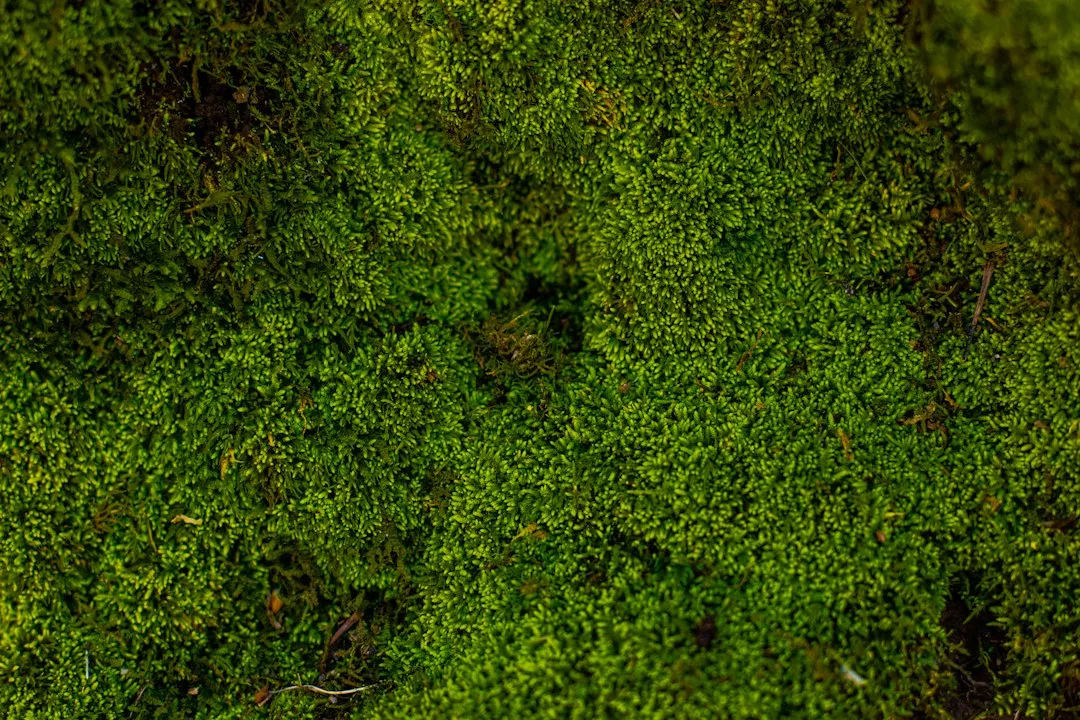
Moss is a native plant that commonly grows in areas where turfgrass does not thrive. It moves into areas of thinning turf because the growing conditions favor it over grass. In some cases, moss is an attractive groundcover and it is perfectly suitable to let it grow.
Moss absorbs water and plays a role in nutrient cycling and erosion control. Mosses are usually found in deep forests, in areas of little light and high moisture, and moss lawns are best suited to properties that are slightly or deeply wooded. If the soil conditions genuinely cannot be corrected, leaning into moss as a groundcover is not a failure. It’s a practical read of what the land is actually suited for.
Reading the Soil Through What Grows There
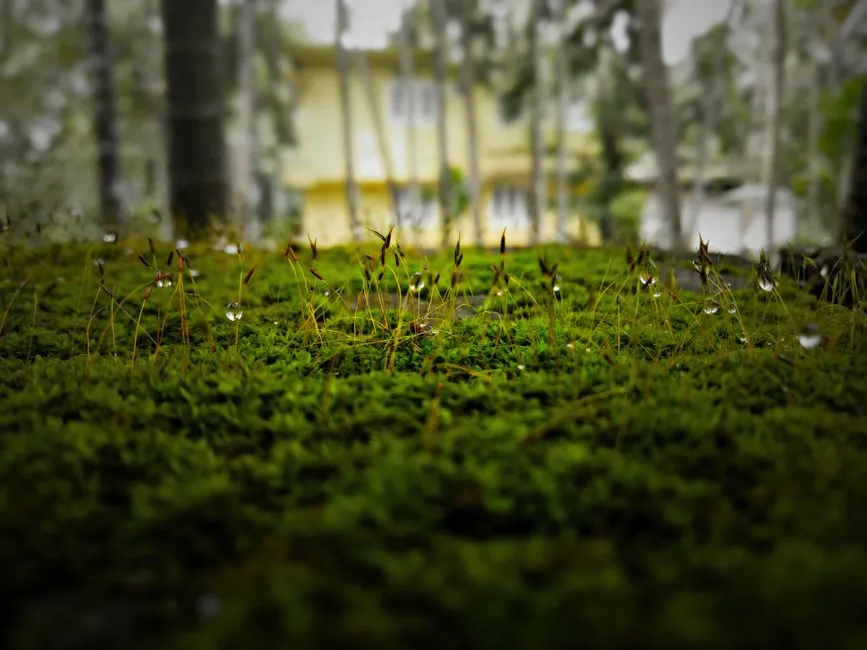
Moss is, in its own quiet way, one of the most informative plants that can appear on a lawn. It narrows down the list of soil problems that are present, often pointing to acidity, compaction, poor drainage, low fertility, or some combination of those conditions, all at once.
Rather than treating moss as an opponent, it helps to treat it as data. When moss is found in the lawn, it is an indication that conditions are not favorable for growing grass. You can attempt to remove or kill moss, but unless you determine and improve those conditions, moss will continue to return to that spot. The soil is always the starting point. Get that right, and the moss conversation often resolves itself.
AI Disclaimer: This article was created with the assistance of AI tools and reviewed by a human editor.