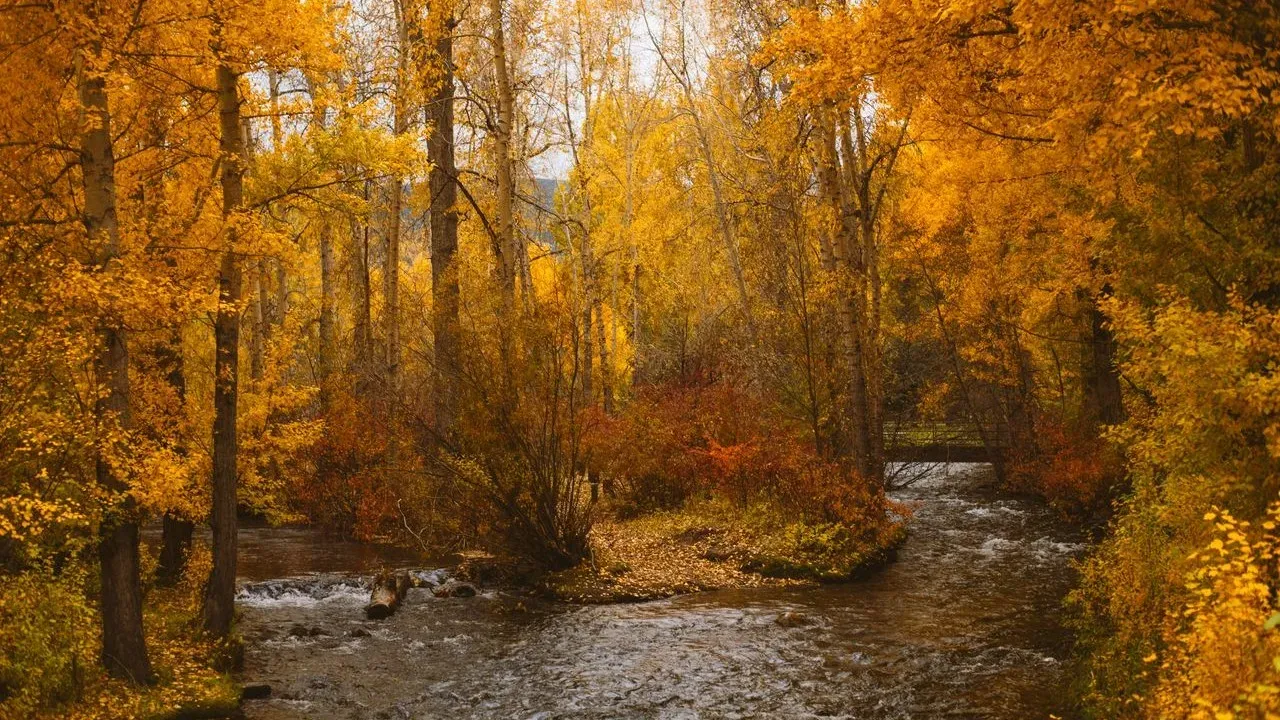

In the Bitterroot Valley of western Montana, a ranch garden shows what nearly two decades of planting can produce once autumn arrives. ([1])The garden sits near Hamilton, where trees, shrubs, grasses, and perennials turn the property into a band of color with the Bitterroot Mountains in the distance. For a site with a short, cold growing calendar, that payoff reflects years of decisions about what to plant and where.
A Valley That Limits the Plant List
Gardening in the Bitterroot Valley requires planning for weather that can change quickly. One local gardener has described the valley as a riverine, alpine setting where microclimates can run a zone warmer than the designated zone 4. ([2])The same gardener noted that the area was recently redesignated as zone 5, yet still planned and designed for zone 4.
That caution matters in a place where a warm spell can be followed by a hard freeze. Gardeners here tend to rely on plants with a track record in the region, and many of the displays that draw attention are built on hardy material that handles the climate well.
The Trees and Shrubs Carrying the Color
Much of the fall effect comes from woody plants and a few well placed perennials. The garden’s features are visible across several seasons, and the autumn highlights stand out in the late season light.
- A linden tree that turns a bright yellow
- A crabapple by the pump house with bright red leaves
- Quaking aspens lit by a golden early October sunset
- A smokebush and aspen glistening after morning rain
- Pee Wee oakleaf hydrangeas and an ornamental pear still showing color in late October
The mix of foliage types gives the yard a layered look, with taller trees above shrubs and grasses. Visitors who see the property in spring, summer, and winter snow, the author notes, still find autumn hard to top.
Lessons From a Long Build
The same gardener appeared in a 2018 Gardenista profile, where the garden was described as a two acre project designed for color in all four seasons. ([3])The property sits among native cottonwood and aspen forests, and the owner added roughly 150 spruce trees along with several pine and cedar varieties to fill the landscape.
Not every decision paid off as expected. The gardener said that aspens planted on either side of the front walkway proved to be a mistake, because their roots send up new shoots everywhere, and cutting them back is an ongoing task. That lesson shows how a garden that looks effortless in autumn often rests on years of corrections.
What matters now: the garden offers a practical example of how a cold valley property can develop strong fall color through steady planting, careful observation, and willingness to adjust over time.
A Design That Settled on Its Own
After nearly 17 years, the garden has developed its own sense of what works best. The author describes the gardens as having decided, on their own, which design they like most. That kind of result rarely appears in a first season, and it suggests that the plantings have matured into a landscape that fits the site.
For gardeners in similar climates, the takeaway is less about a single plant list and more about patience. The Bitterroot Valley yard suggests that a cold region can still support a fall display that rewards long term work, provided the gardener accepts that the final shape may take many seasons to emerge.
AI Disclaimer: This article was created with the assistance of AI tools and reviewed by a human editor.