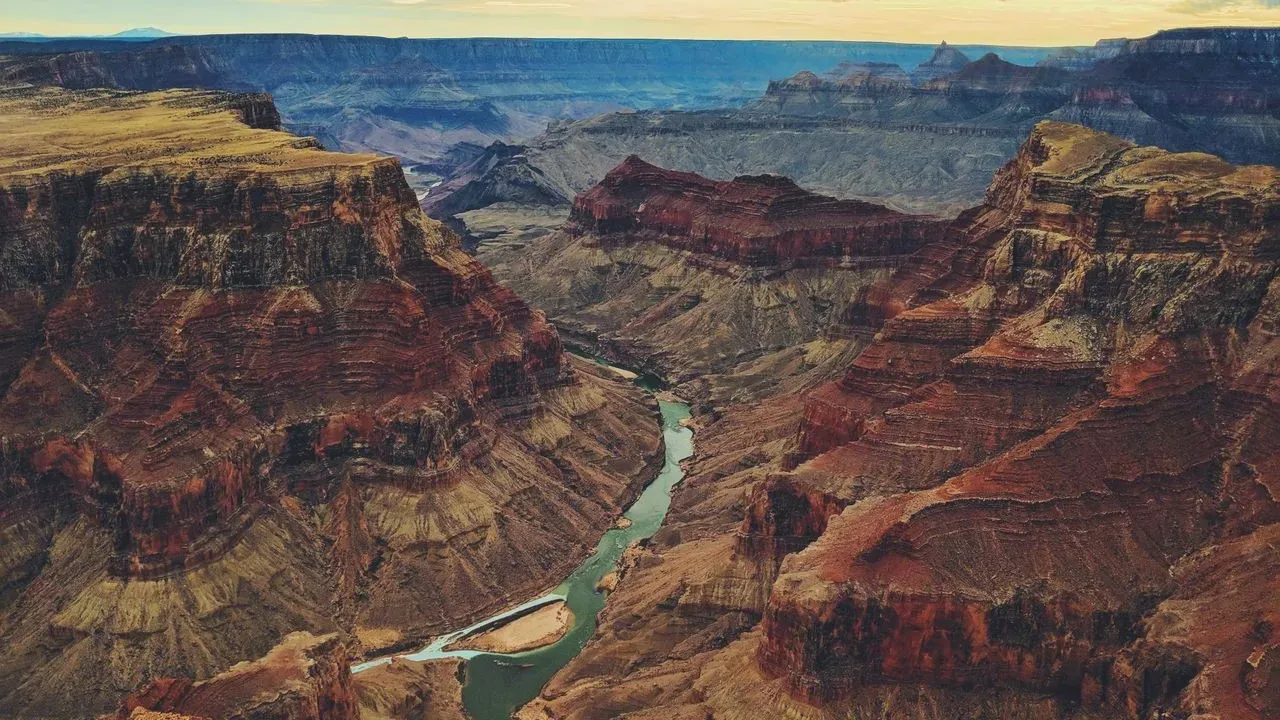

Grand Canyon National Park saw a powerful monsoon unleash sudden destruction last Saturday along the North Rim. Hikers who had descended into the canyon for a summer trek found themselves racing rising waters and falling debris as Bright Angel Creek transformed into a torrent. The storm underscored how quickly desert weather can shift from routine to life-threatening. ([1])
Weather Turns Violent in Minutes
Afternoon clouds built quickly over the remote section of the North Rim, bringing gusting winds and heavy rain that soon turned torrential. What began as scattered drops escalated into a downpour mixed with hail, sending runoff cascading down canyon walls. Hikers already at lower elevations had little warning before the creek began to swell with muddy water, branches, and sediment.
Those familiar with the area noted that monsoon activity is common in summer, yet this event stood out for its speed and intensity. Forecasts had mentioned storm risks, but the actual conditions arrived faster and stronger than many anticipated. Within roughly a minute, clear skies gave way to 40 mph winds that battered tents and trails alike.
Hikers Scramble for Safety
Physician Drew Harrell, serving as medical director for the park during a training trip, described the rapid change as he and his group entered a narrow section known as The Box. His team had checked forecasts beforehand and focused more on heat than precipitation. The sudden shift forced quick decisions about higher ground and shelter from falling rocks.
Another physician in the same party, Parth Desai, recalled seeing waterfalls appear from nowhere along with landslides and boulders. The group weighed risks of lightning and flooding before moving toward Phantom Ranch. They navigated downed trees and debris while seeking safer terrain amid the chaos.
Farther up the creek at Cottonwood Campground, Mike Sumaruk heard a distant roar that grew louder and realized it was not thunder. He abandoned his tent as a wall of water approached and joined others who had also fled their campsites. Tom Monroe and his companions, hiking from the North Rim, watched the trail itself become a river of runoff mixed with mud and rocks the size of footballs.
Rescue Operations and Losses
Park rangers worked to move people at Phantom Ranch to higher ground before bridges were lost. More than 80 individuals were eventually airlifted to the South Rim, where support from the Red Cross awaited. Two people died in the flooding and at least one remains missing, according to initial reports.
The damage extended beyond immediate safety concerns. Key footbridges were washed out and sections of trail suffered significant erosion. A critical water-supply line also sustained severe harm, complicating recovery efforts in the days that followed.
Park Recovery and Visitor Resolve
Officials have begun assessing the full scope of infrastructure repairs needed across miles of affected trails. The process is expected to take considerable time given the remote terrain and extent of the damage. Hikers who survived the event expressed respect for the rangers who helped limit further harm.
Despite the ordeal, several survivors indicated plans to return once access is restored. Sumaruk spoke of watching for updates on trail conditions and bridge replacements. Monroe and his group already scheduled a closer-to-home camping trip for the following weekend while reflecting on the experience.
What matters now: The canyon remains closed in affected areas while crews evaluate and repair damage. Visitors planning trips should monitor official park updates for the latest trail and access information.
AI Disclaimer: This article was created with the assistance of AI tools and reviewed by a human editor.