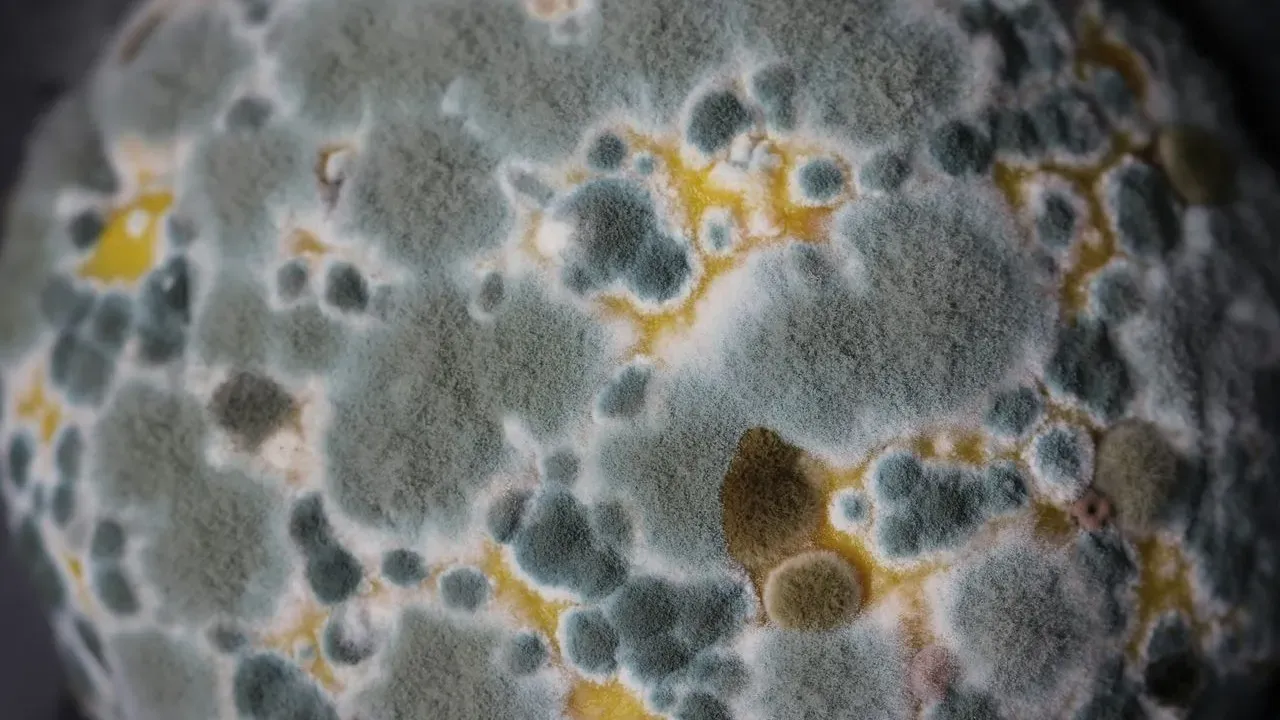

Backyard flock owners often reach for kitchen scraps to supplement feed, yet leftover bread with even faint mold carries hidden risks. Mycotoxins produced by certain molds can affect liver and kidney function, reduce egg output, and slow growth, particularly in younger birds. The source material makes clear that visible mold offers no reliable clue about toxin levels, and only laboratory analysis confirms safety.
Why Visible Mold Signals a Real Problem
Mold grows as a fungus on bread and other foods, and some strains generate mycotoxins that remain stable even after toasting or drying. Bread commonly hosts molds such as Penicillium and Aspergillus, which can produce aflatoxin and ochratoxin A. These compounds target organs and may combine with other toxins to worsen effects, though the exact presence cannot be judged by sight or smell alone. Extension guidance notes that clean-looking feed can still contain toxins, while moldy bread always presents an unknown. Young chicks show greater sensitivity, with ochratoxin A proving roughly three times more toxic than aflatoxin in early stages. The practical result is that any fuzzy, musty, or slimy slice should be discarded rather than offered to the flock.
Recognizing Effects and Responding Quickly
Chickens that consume contaminated bread may show reduced feed intake, watery droppings, weaker eggshells, or lower energy without obvious illness at first. Chicks can fall behind in growth, and repeated low-level exposure may leave residues in meat or eggs. A single small nibble by a healthy adult hen often causes no lasting issue, yet repeated contact builds risk. If moldy bread reaches the run, remove every crumb immediately and switch birds to fresh, complete feed and clean water. Monitor for several days, especially the youngest birds, and consult a veterinarian if symptoms appear. Recovery typically occurs within weeks once the contaminated material is gone and supportive care continues.
Safe Handling of Bread and Better Alternatives
Fresh or stale bread without mold qualifies as an occasional treat when kept to roughly ten percent of the daily diet. Whole-grain varieties offer slightly more value than white bread, yet the item remains low in protein and should never replace balanced feed. Crumble portions small and remove uneaten pieces within an hour to prevent further mold growth. Several kitchen items provide superior nutrition. Cooked eggs, oats, sunflower seeds, peas, and mealworms deliver protein and other nutrients that bread lacks. Fresh garden greens and vegetable scraps also serve as healthier options for most homestead flocks.
Preventing Mold in Feed and Storage
Mycotoxins enter flocks most often through stored feed rather than occasional treats. Keep feed in sealed, dry bins and purchase only what the birds will finish in a few weeks. Clean feeders regularly, repair leaks, and avoid leaving wet or damp material in the coop. In humid weather, extra vigilance helps limit spore spread. When in doubt about any bread or feed, the safest step remains disposal in a location the chickens cannot reach. This approach protects egg production and overall flock health without relying on guesswork.
AI Disclaimer: This article was created with the assistance of AI tools and reviewed by a human editor.