
Welcome to the lush and vibrant world of gardening in Mobile, Alabama! Situated in the heart of the Gulf Coast, Mobile offers a unique and favorable climate for gardening enthusiasts. One of the key factors that sets Mobile apart is its USDA hardiness zone.
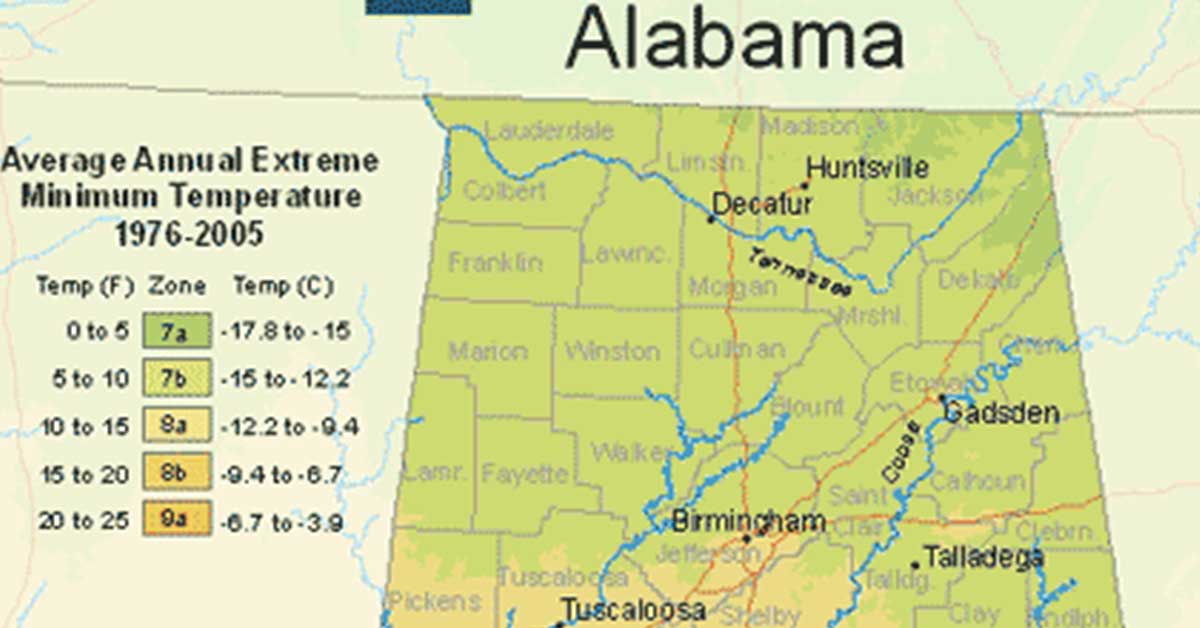
The USDA hardiness zone is a crucial tool for gardeners, as it provides valuable information about the types of plants that can thrive in a particular area. In Mobile, we are fortunate to fall within the USDA hardiness zone 8b, which means we enjoy mild winters and long, hot summers.
This zone designation opens up a wide range of possibilities for gardeners, allowing us to cultivate a diverse array of plants, from tropical beauties to cold-hardy perennials. So, whether you are a seasoned gardener or just starting out, Mobile’s unique climate and hardiness zone offer endless opportunities to create a stunning and flourishing garden.
What is Mobile’s USDA hardiness zone?
The USDA hardiness zone is a system developed by the United States Department of Agriculture (USDA) to categorize regions based on their average annual minimum temperatures. This system helps gardeners and plant enthusiasts determine which plants are most likely to thrive in a specific area. Mobile, Alabama falls under USDA hardiness zone 8b. This means that the average annual minimum temperature in Mobile ranges from 15 to 20 degrees Fahrenheit (-9 to -6 degrees Celsius). It is important to note that this is just an average, and extreme weather events can occasionally cause temperatures to drop even lower.
Understanding the hardiness zone is crucial for successful gardening because it helps determine which plants are best suited for the local climate. Plants that are not adapted to the specific temperature range of a zone may struggle to survive or may not thrive as expected. In Mobile’s zone 8b, gardeners have a wide variety of plant options. Many popular plants, including both ornamentals and edibles, can thrive in this zone. Some examples of plants that are well-suited for Mobile’s climate include:
Azaleas: These beautiful flowering shrubs are well-known for their vibrant blooms and are a staple in many Southern gardens. They thrive in Mobile’s mild winters and hot, humid summers.
Crepe Myrtles: These flowering trees are highly popular in the South due to their long-lasting blooms and attractive bark. They are well-adapted to Mobile’s climate and can tolerate both heat and occasional cold snaps.
Citrus Trees: Mobile’s climate is ideal for growing citrus trees such as oranges, lemons, and grapefruits. With proper care and protection during occasional cold spells, these trees can produce abundant fruit.
Camellias: Known for their stunning blooms, camellias are a favorite among gardeners in Mobile. These evergreen shrubs thrive in the region’s mild winters and provide beautiful flowers in late winter and early spring.
Herbs and Vegetables: Many herbs and vegetables can be grown in Mobile’s zone 8b. Some popular choices include basil, rosemary, tomatoes, peppers, and okra. However, it is important to pay attention to specific planting and harvesting times to ensure success.
While Mobile’s hardiness zone provides a general guideline for plant selection, other factors such as soil type, sunlight exposure, and moisture levels should also be considered when planning a garden. It is always advisable to consult local gardening resources, such as cooperative extension offices or experienced gardeners in the area, for specific recommendations and tips.
When can you plant your garden in Mobile?
In Mobile, Alabama, the ideal planting times for different plants can be determined based on its USDA hardiness zone, which is zone 8b. This zone indicates the average minimum winter temperature range of 15 to 20 degrees Fahrenheit (-9 to -6 degrees Celsius).
For cool-season vegetables like lettuce, spinach, and broccoli, the ideal planting time in Mobile is in the early fall, around September or October. These plants thrive in cooler temperatures and can tolerate light frosts.
Warm-season vegetables such as tomatoes, peppers, and cucumbers should be planted after the last expected frost date, which typically occurs in mid to late March in Mobile. Planting them too early can result in damage or stunted growth due to cold temperatures.
For annual flowers and herbs, Mobile’s long growing season allows for multiple planting opportunities. Many annuals can be planted in early spring, after the last frost, and will continue to bloom until the first frost in late fall. Some popular choices include marigolds, zinnias, petunias, and basil.
Perennial plants, which come back year after year, can be planted in Mobile throughout the year, but the best time is typically in the fall or early spring. This allows the plants to establish their root systems before the extreme heat of summer or the cold of winter.
It’s important to note that these are general guidelines, and specific plant varieties may have slightly different planting requirements. Additionally, local weather conditions can vary, so it’s always a good idea to consult with a local nursery or gardening expert for more precise planting times and advice.
What grows well in Mobile?
In Mobile, Alabama, the USDA hardiness zone is 8b. This means that the average minimum winter temperature ranges from 15 to 20 degrees Fahrenheit (-9 to -6 degrees Celsius). Here is a comprehensive list of plants that generally thrive in Mobile’s climate:
- Azaleas (Rhododendron spp.): These flowering shrubs are well-suited to Mobile’s climate and provide beautiful blooms in various colors.
- Camellias (Camellia spp.): These evergreen shrubs or small trees produce stunning flowers in late fall and winter.
- Crepe Myrtles (Lagerstroemia spp.): These flowering trees or shrubs are known for their vibrant blooms and attractive bark.
- Southern Magnolia (Magnolia grandiflora): This iconic tree features large, glossy leaves and fragrant, showy white flowers.
- Sago Palm (Cycas revoluta): This slow-growing, low-maintenance palm-like plant adds a tropical touch to gardens.
- Japanese Maple (Acer palmatum): These small, ornamental trees provide stunning foliage colors and add an elegant touch to landscapes.
- Lantana (Lantana camara): These colorful, heat-tolerant flowering plants attract butterflies and thrive in Mobile’s warm climate.
- Knock Out Roses (Rosa ‘Knock Out’): These disease-resistant roses bloom profusely throughout the growing season and require minimal care.
- Daylilies (Hemerocallis spp.): These hardy perennials produce vibrant flowers in a wide range of colors and are well-suited to Mobile’s climate.
- Gulf Coast Muhly Grass (Muhlenbergia capillaris): This native grass species adds texture and movement to gardens with its pinkish-purple plumes.
- Society Garlic (Tulbaghia violacea): This perennial herb produces attractive purple flowers and has a garlic-like scent.
- Indian Hawthorn (Rhaphiolepis indica): This evergreen shrub features clusters of fragrant flowers and glossy foliage.
- Dwarf Palmetto (Sabal minor): This native palm species is well-adapted to Mobile’s climate and adds a tropical touch to landscapes.
- Blue Plumbago (Plumbago auriculata): This vine or shrub produces clusters of blue flowers and thrives in Mobile’s warm climate.
- Society Garlic (Tulbaghia violacea): This perennial herb produces attractive purple flowers and has a garlic-like scent.
Remember to consider factors such as soil type, sun exposure, and water requirements when selecting plants for your specific garden.
What won’t grow in Mobile?
In Mobile, Alabama, which is located in USDA hardiness zone 8b, there are certain plants that may not thrive due to the specific climate conditions. Here are some examples:
- Blueberries: Blueberries require a colder climate with a certain number of chill hours, which may not be met in Mobile. They may struggle to produce fruit or grow properly.
- Lilacs: Lilacs are also cold climate plants and may not do well in the warm and humid conditions of Mobile. They may not flower or grow as vigorously as they would in cooler regions.
- Peonies: Peonies are another plant that prefers colder climates with a significant winter chill. In Mobile’s milder winters, they may not bloom as abundantly or may not thrive at all.
- Tulips: Tulips are spring-blooming bulbs that require a period of cold dormancy. In Mobile’s warmer climate, they may not receive the necessary chilling period and may not perform well.
- Hydrangeas: While some varieties of hydrangeas can grow in Mobile, certain types, such as the bigleaf hydrangeas (Hydrangea macrophylla), may struggle due to the heat and humidity. They may have difficulty setting buds or may suffer from leaf burn.
- Japanese maples: Japanese maples prefer cooler climates and may struggle in Mobile’s hot and humid conditions. They may experience leaf scorch or other stress-related issues.
- Rhododendrons: Rhododendrons are typically found in cooler regions and may not thrive in Mobile’s climate. They may struggle to flower or may suffer from heat stress.
It’s important to note that while these plants may not thrive in Mobile’s specific climate, there are often alternative varieties or cultivars that are better suited to the region. Additionally, with proper care and attention, it is possible to grow these plants successfully in Mobile, but they may require extra effort and specific growing conditions.