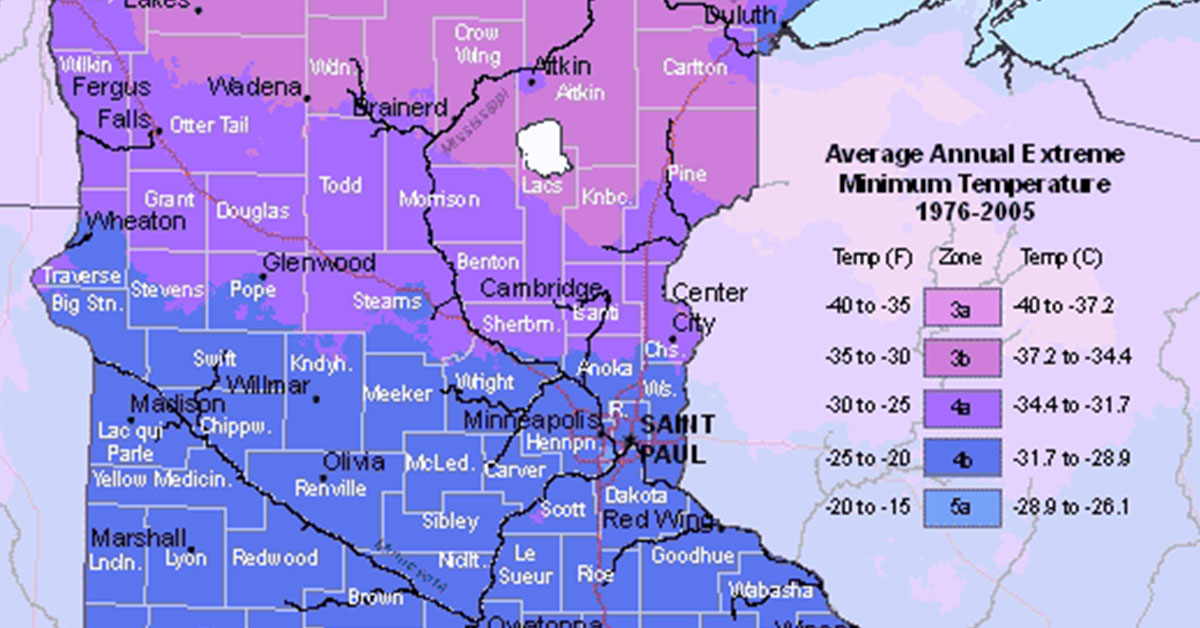

Welcome to the vibrant world of gardening in Minneapolis, a city known for its lush green spaces and thriving plant life. Located in the heart of the Upper Midwest, Minneapolis offers a unique gardening experience shaped by its USDA hardiness zone. The city falls into zone 4b, which means gardeners must navigate the challenges of cold winters and relatively short growing seasons.
However, with careful planning and the right knowledge, gardening enthusiasts in Minneapolis can create stunning landscapes, grow a variety of fruits and vegetables, and cultivate a diverse range of flowers and plants. In this article, we will explore the intricacies of gardening in Minneapolis, providing valuable insights, tips, and techniques to help you make the most of your gardening endeavors in this beautiful city.
What is Minneapolis’s USDA hardiness zone?
The USDA hardiness zone is a system used to determine the suitability of plants for specific regions based on their ability to withstand the average annual minimum temperatures. In the case of Minneapolis, it falls under USDA hardiness zone 4a. Zone 4a is characterized by cold winters and relatively short growing seasons. The average annual minimum temperature ranges from -30°F to -25°F (-34°C to -32°C).
This means that plants suitable for this zone must be able to tolerate these extreme cold temperatures. When selecting plants for a garden in Minneapolis, it is important to choose those that are hardy to zone 4a or lower. These plants have evolved to withstand the harsh winters and are more likely to survive and thrive in this climate. Some popular plant choices for zone 4a include:
Perennials: Hardy perennials that can survive the cold winters include coneflowers (Echinacea), daylilies (Hemerocallis), hostas, and ornamental grasses like feather reed grass (Calamagrostis acutiflora).
Trees and Shrubs: Some cold-hardy trees and shrubs suitable for this zone include white spruce (Picea glauca), red maple (Acer rubrum), serviceberry (Amelanchier), and lilacs (Syringa).
Vegetables: Cool-season vegetables like lettuce, spinach, kale, and broccoli can be grown in Minneapolis. It is important to start them early in the spring or consider using season extenders like cold frames or row covers to protect them from frost.
Fruits: Some fruit trees and bushes that can thrive in zone 4a include apple trees (varieties like Honeycrisp, Haralson, or Wealthy), cherry trees (Montmorency or Evans), and raspberry and blackberry bushes.
It is also important to consider other factors like soil type, sunlight exposure, and moisture requirements when selecting plants for your garden in Minneapolis. Proper care and maintenance, including mulching, watering, and protecting plants during extreme cold spells, will also contribute to their overall health and survival. By choosing plants that are well-suited to the USDA hardiness zone 4a in Minneapolis, you can create a beautiful and thriving garden that can withstand the challenging climate of the region.
When can you plant your garden in Minneapolis?
In Minneapolis, the ideal planting times for different plants can be determined by considering the city’s USDA hardiness zone, which is Zone 4b. This zone indicates the average minimum winter temperature range of -25 to -20 degrees Fahrenheit (-31.7 to -28.9 degrees Celsius).
For cool-season crops such as lettuce, spinach, peas, and radishes, the ideal planting time in Minneapolis is typically in early spring, as soon as the soil can be worked and is no longer frozen. This is usually around late April or early May, depending on the weather conditions.
Warm-season crops like tomatoes, peppers, cucumbers, and beans require warmer soil and air temperatures to thrive. In Minneapolis, it is recommended to wait until the last frost date has passed, which is typically around mid-May, before planting these crops. However, it is always a good idea to monitor the weather forecast and ensure that there are no unexpected late frosts.
Perennial plants, including trees, shrubs, and flowers, can be planted throughout the growing season in Minneapolis. However, it is generally advisable to plant them in early spring or early fall when the weather is cooler and the plants can establish their root systems before facing extreme temperatures.
It’s important to note that these planting times are general guidelines, and variations in weather patterns from year to year can affect the ideal planting dates. Monitoring local weather conditions and consulting with local gardening resources can provide more specific and up-to-date information for successful planting in Minneapolis.
What grows well in Minneapolis?
Minneapolis falls under USDA hardiness zone 4a, which means it experiences cold winters with temperatures dropping as low as -30°F (-34°C). Here is a comprehensive list of plants that generally grow well in Minneapolis:
- Sugar Maple (Acer saccharum)
- Red Maple (Acer rubrum)
- White Pine (Pinus strobus)
- Colorado Blue Spruce (Picea pungens)
- Eastern Red Cedar (Juniperus virginiana)
- Northern Red Oak (Quercus rubra)
- Paper Birch (Betula papyrifera)
- White Birch (Betula pendula)
- Hackberry (Celtis occidentalis)
- American Elm (Ulmus americana)
- Lilac (Syringa vulgaris)
- Ninebark (Physocarpus opulifolius)
- Red Twig Dogwood (Cornus sericea)
- Winterberry Holly (Ilex verticillata)
- Spirea (Spiraea spp.)
- Serviceberry (Amelanchier spp.)
- Viburnum (Viburnum spp.)
- Potentilla (Potentilla fruticosa)
- Burning Bush (Euonymus alatus)
- Barberry (Berberis spp.)
- Hosta (Hosta spp.)
- Daylily (Hemerocallis spp.)
- Coneflower (Echinacea spp.)
- Black-eyed Susan (Rudbeckia spp.)
- Sedum (Sedum spp.)
- Peony (Paeonia spp.)
- Russian Sage (Perovskia atriplicifolia)
- Bee Balm (Monarda spp.)
- Coral Bells (Heuchera spp.)
- Astilbe (Astilbe spp.)
- Marigold (Tagetes spp.)
- Zinnia (Zinnia spp.)
- Petunia (Petunia spp.)
- Impatiens (Impatiens spp.)
- Geranium (Pelargonium spp.)
- Snapdragons (Antirrhinum majus)
- Coleus (Plectranthus scutellarioides)
- Alyssum (Lobularia maritima)
- Cosmos (Cosmos spp.)
- Nasturtium (Tropaeolum spp.)
- Tomato (Solanum lycopersicum)
- Cucumber (Cucumis sativus)
- Carrot (Daucus carota)
- Lettuce (Lactuca sativa)
- Spinach (Spinacia oleracea)
- Basil (Ocimum basilicum)
- Thyme (Thymus spp.)
- Rosemary (Rosmarinus officinalis)
- Parsley (Petroselinum crispum)
- Chives (Allium schoenoprasum)
Remember to consider specific growing conditions, such as sun exposure, soil type, and moisture requirements, when selecting plants for your garden in Minneapolis.
What won’t grow in Minneapolis?
In Minneapolis, which falls under USDA hardiness zone 4b, there are certain plants that may struggle to thrive due to the region’s cold winters and relatively short growing season. Here are some plants that may not perform well in Minneapolis:
- Tropical Plants: Plants that require warm temperatures and high humidity, such as banana trees (Musa spp.), palm trees (Arecaceae family), and orchids (Orchidaceae family), may struggle to survive the cold winters in Minneapolis.
- Citrus Trees: Citrus trees, including lemon, lime, and orange trees, are not well-suited for Minneapolis due to their sensitivity to freezing temperatures. They require a more temperate climate with mild winters.
- Tender Perennials: Some perennials that are not cold-hardy enough for Minneapolis include hibiscus (Hibiscus spp.), bougainvillea (Bougainvillea spp.), and angel’s trumpet (Brugmansia spp.). These plants are native to warmer regions and may not survive the harsh winters.
- Subtropical and Mediterranean Plants: Plants like olive trees (Olea europaea), lavender (Lavandula spp.), and rosemary (Rosmarinus officinalis) prefer milder climates and may struggle in the colder temperatures of Minneapolis.
- Certain Fruit Trees: While some fruit trees like apple (Malus spp.), pear (Pyrus spp.), and cherry (Prunus spp.) can thrive in Minneapolis, other varieties such as peaches (Prunus persica) and apricots (Prunus armeniaca) may not be as successful due to their lower cold hardiness.
It’s important to note that while these plants may not thrive in Minneapolis, it is still possible to grow them as annuals or in containers that can be brought indoors during the winter months. Additionally, there are often cultivars and varieties of these plants that are more cold-hardy and suitable for the region, so it’s always worth consulting with local nurseries or gardening experts for specific recommendations.