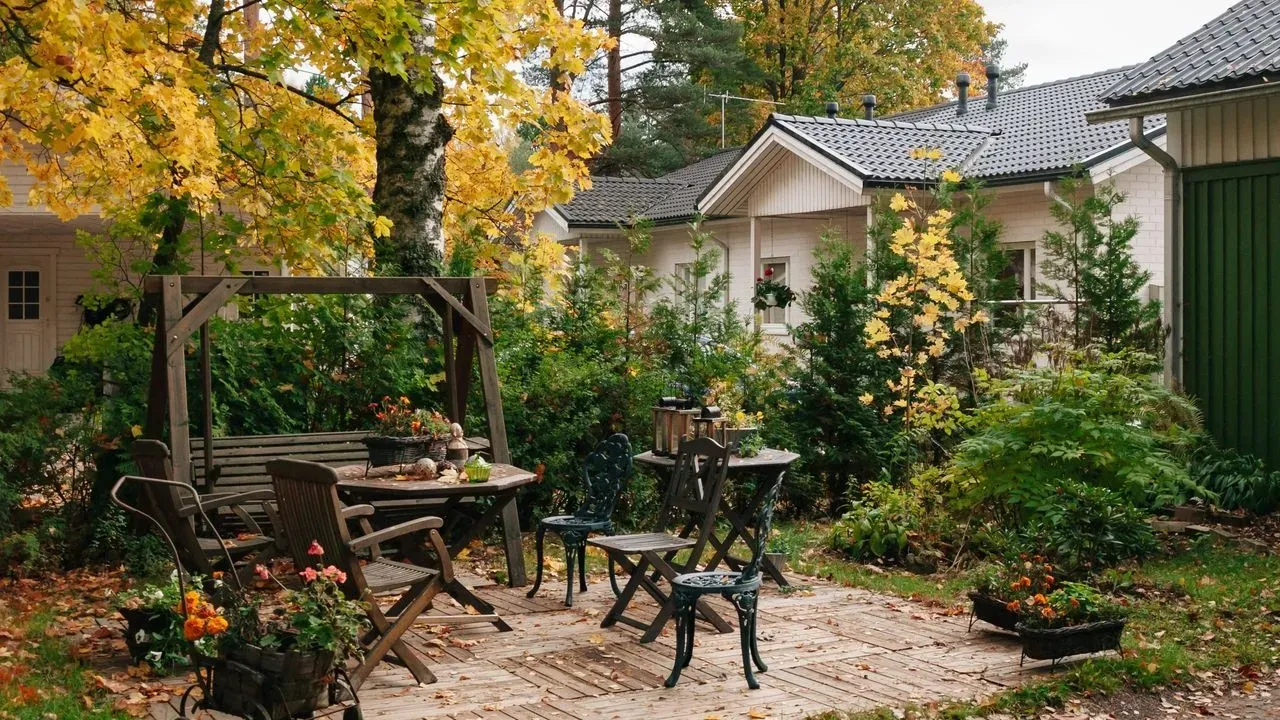

In Milwaukee, a backyard once limited to a flat concrete slab now supports rows of vegetables, clusters of flowers, and clusters of herbs that draw steady visits from pollinators. Marisa created the garden in a compact urban space where traditional soil was absent. The result shows how a difficult surface can be reimagined into a productive and lively area without requiring large acreage.
The Concrete Starting Point
The project began with a backyard that offered little more than a hard, impermeable surface. Concrete prevented natural drainage and blocked any chance for plants to root directly in the ground. Such conditions are common in older city lots where previous owners paved over soil for easier maintenance. Marisa faced the same barrier yet chose to work with the existing structure rather than remove it entirely.
Layering Soil and Structure
Raised beds and containers became the foundation for growth. These additions allowed soil to be brought in and contained above the concrete, creating pockets where roots could develop. Careful placement maximized the available square footage while leaving room for pathways. Over time the beds filled with a mix of edible crops and ornamental plants that together formed a layered canopy. The garden now holds vegetables that supply fresh produce through much of the season. Herbs grow alongside them, offering both culinary use and aromatic interest. Flowers add color and serve as nectar sources. Pollinators, including bees and butterflies, move regularly among the blooms, turning the once-empty slab into a small but active habitat. Each element supports the others, with the flowers helping sustain the insects that benefit the vegetables and herbs.
Daily Rhythms in a Compact Space
Maintenance stays manageable because the garden occupies a limited footprint. Watering, weeding, and harvesting fit into ordinary routines without demanding long hours. The concrete base actually aids in some ways by reflecting light and retaining warmth, which can extend the growing window for certain crops. Still, the gardener must monitor drainage and soil quality closely to prevent issues that arise when planting above an impervious surface.
What Remains Possible
The Milwaukee example illustrates that small urban yards can support meaningful production even when soil is missing. The contrast between the original concrete and the current abundance offers a quiet reminder that transformation often starts with simple additions rather than wholesale removal. Readers facing similar lots may find the same approach adaptable to their own constraints.
AI Disclaimer: This article was created with the assistance of AI tools and reviewed by a human editor.