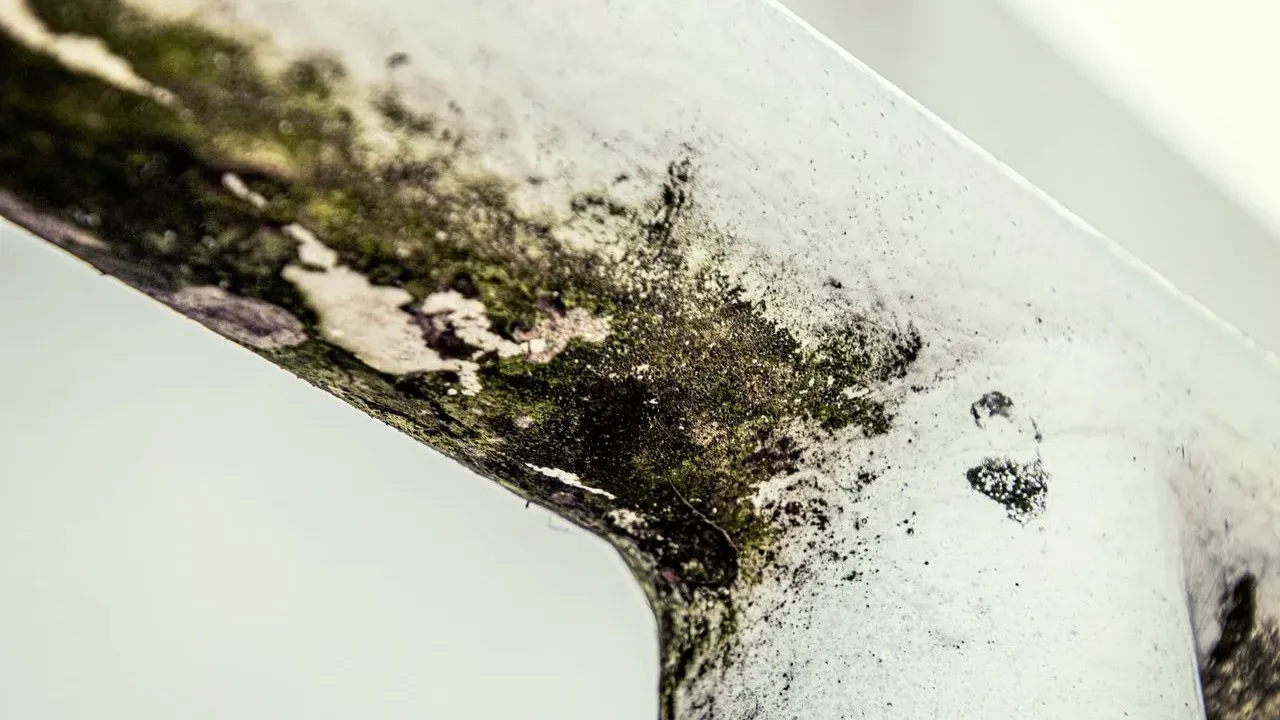

Powdery mildew appears as a gray-white coating on leaves and stems, weakening plants and reducing yields if left unchecked. Gardeners who notice the early signs can limit damage before the fungus spreads further. A simple milk solution has emerged as one practical option that may help discourage further growth of the pathogen.
Recognizing the Early Signs
The fungus often starts on the upper surfaces of leaves, forming a fine, powdery layer that resembles dust. It tends to appear during warm days followed by cooler nights with high humidity. Affected foliage may yellow or curl as the infection advances, and new growth can become stunted.
Regular inspection of susceptible plants such as cucumbers, squash, roses, and lilacs helps catch the issue while it remains localized. Removing and disposing of the most heavily coated leaves reduces the amount of spores available to spread.
The Milk Solution Approach
Research and gardener reports have pointed to a diluted milk spray as a possible way to slow the fungus. The mixture typically combines one part milk with two to three parts water and is applied to both sides of the leaves. Treatment works best when started at the first visible signs rather than after widespread infection.
Applications are usually repeated every few days during humid periods. The solution appears to create conditions on the leaf surface that inhibit spore germination. Because milk is readily available, the method offers an accessible option for many home gardeners.
Why Early Action Matters
Once powdery mildew establishes itself across a plant, control becomes more difficult and yields often decline. Early detection combined with consistent treatment limits the need for stronger interventions later in the season. The milk approach fits into integrated garden care that also includes good air circulation and proper plant spacing.
Gardeners who monitor plants weekly during peak summer months tend to stay ahead of outbreaks. Prompt removal of infected material and targeted sprays together form a practical defense that protects the rest of the garden.
Putting the Method Into Practice
Prepare the spray fresh each time and apply it in the morning so leaves can dry during the day. Focus on the undersides of leaves where spores often settle. Avoid over-wetting the soil around the base of plants to reduce other disease risks.
Results vary by plant type, weather, and how quickly treatment begins. Many gardeners combine the milk spray with cultural practices such as pruning for better airflow. Continued observation helps determine whether additional steps are needed.
The milk remedy provides one low-cost tool among several options for managing a common summer garden challenge. Consistent monitoring and timely response remain the most reliable ways to protect plants from lasting harm.
AI Disclaimer: This article was created with the assistance of AI tools and reviewed by a human editor.