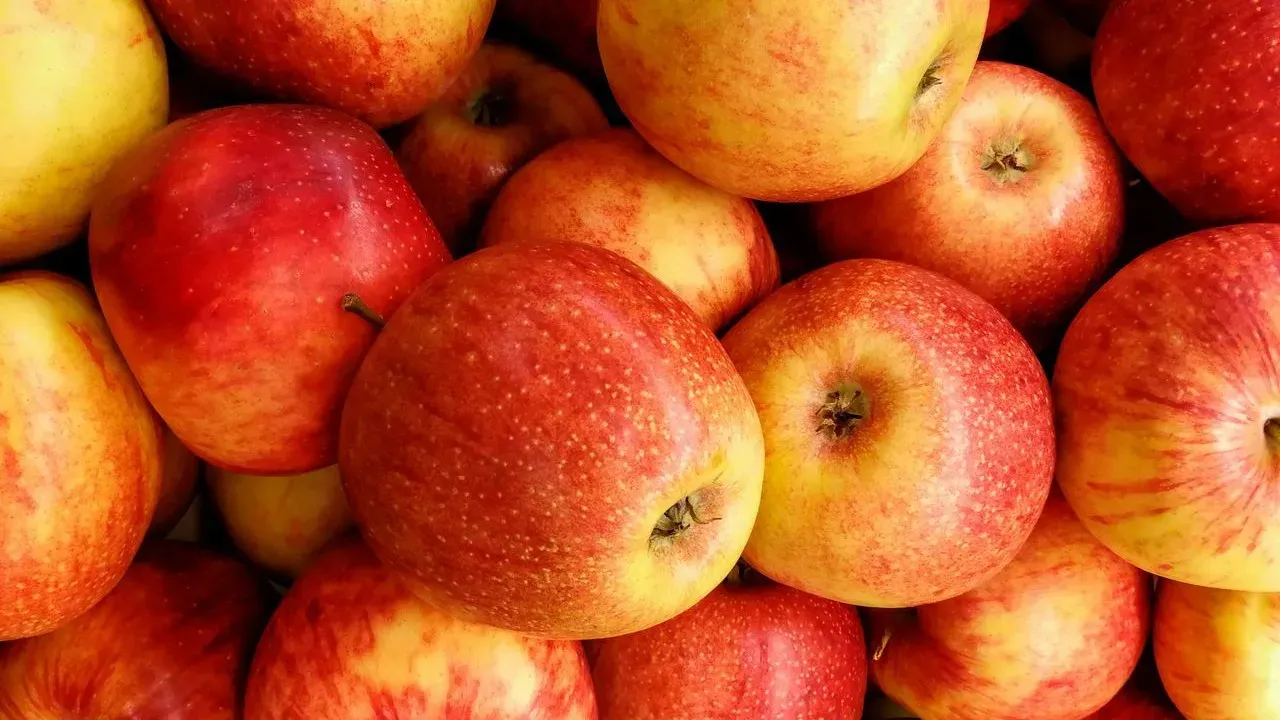

Apple supplies from key eastern states are set to fall sharply this season, creating tighter availability and upward pressure on prices for shoppers in the Mid-Atlantic region. National output is also expected to decline modestly, though western production remains largely steady. The changes arrive at a time when local fruit typically anchors fall promotions and displays in produce aisles. ([1])
State-Level Production Declines
Forecasts show pronounced drops in Pennsylvania and Virginia. Pennsylvania output is projected at 210 million pounds, a reduction of 295 million pounds from the prior year. Virginia faces an even steeper relative loss, with production expected to reach only 77 million pounds.
New York sees a milder but still notable decline to 1.35 billion pounds. These figures stand in contrast to the national total of 10.4 billion pounds, which is down 6 percent overall. The concentrated shortfalls in the Mid-Atlantic leave regional growers with far less fruit than in recent seasons.
National Supply and Regional Gaps
Washington state continues to dominate national production with a forecast of 7.4 billion pounds, nearly unchanged from last year. Other major western states also hold close to prior levels, allowing the broader supply chain to offset much of the eastern shortfall through long-distance shipments.
Even so, the shift raises marketing costs. Moving fruit from the Pacific Northwest to eastern processors and stores adds transportation expenses that were not present when local orchards supplied more of the volume. Inventories entering the new harvest already showed some tightness, with fresh-market stocks 8 percent below the previous June.
Retail and Consumer Effects
Mid-Atlantic retailers that rely on nearby orchards for seasonal displays, cider programs, and local-variety promotions now have far less product to feature. The timing coincides with peak demand for regional apples, making it harder to maintain the abundant look shoppers expect in autumn.
Prices for both fresh and processing apples face upward pressure through 2027 as a result. Consumers will still find apples on shelves, yet the emphasis may shift toward western varieties and away from the local story that often drives sales during harvest season.
| State | 2026 Forecast (million lbs) | Change from Prior Year |
|---|---|---|
| Pennsylvania | 210 | Down sharply |
| Virginia | 77 | Down sharply |
| New York | 1,350 | Down moderately |
| Washington | 7,400 | Near flat |
Produce departments across the region will need to balance higher costs with the goal of keeping the category visible and appealing. The season underscores how localized weather and growing conditions can reshape supply even when national totals remain adequate.
AI Disclaimer: This article was created with the assistance of AI tools and reviewed by a human editor.