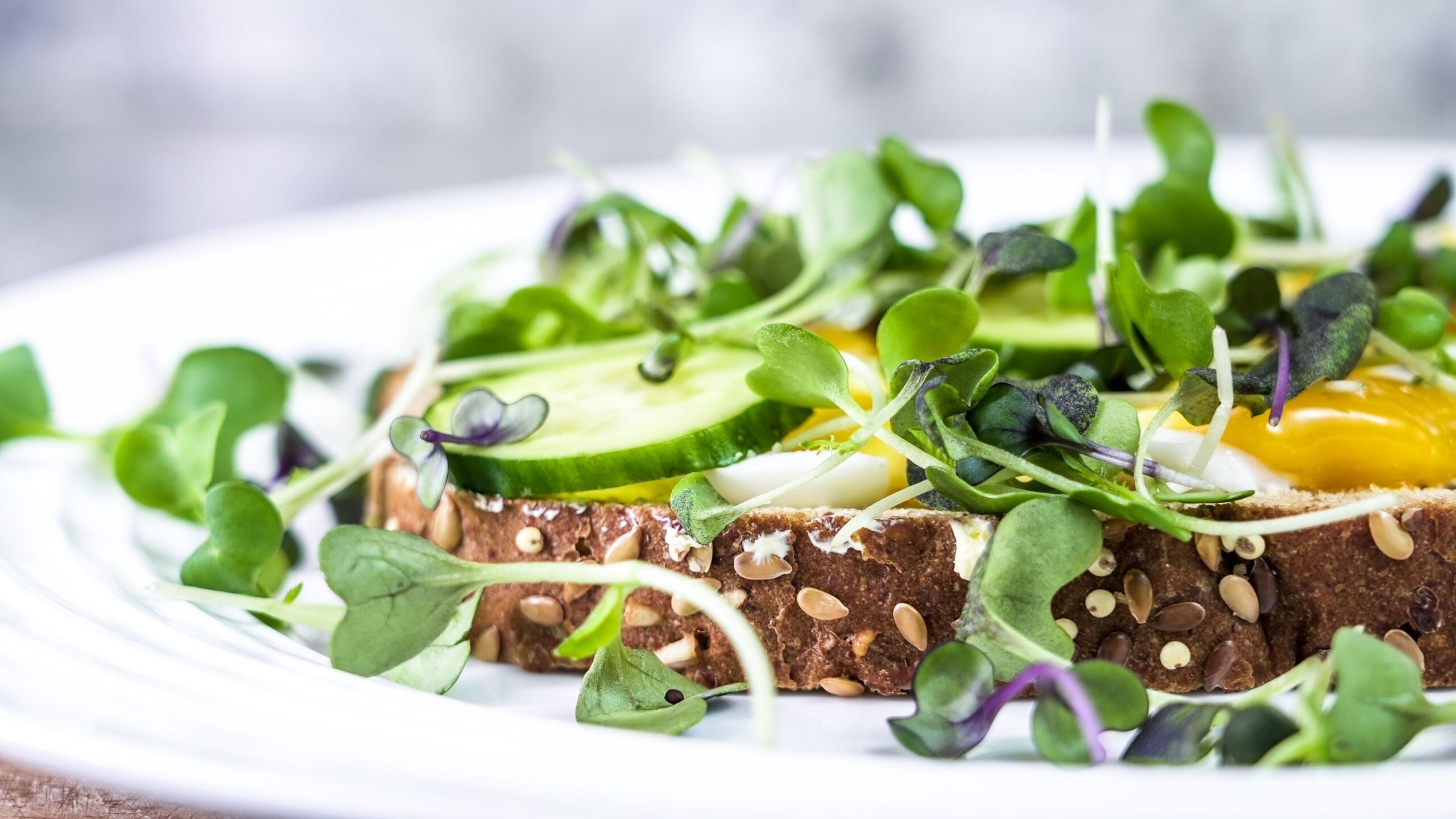

There’s something quietly satisfying about cutting your own greens before breakfast, especially when snow is on the ground and the nearest farmer’s market is months away. Microgreens make that possible, not as a novelty, but as a genuinely practical growing system that fits on any kitchen counter.
These tiny seedlings have attracted serious scientific attention in recent years, with a growing body of peer-reviewed research confirming what enthusiasts have known for a while: microgreens punch well above their weight. Here’s what the evidence actually says, and how to make the most of it.
What Microgreens Actually Are
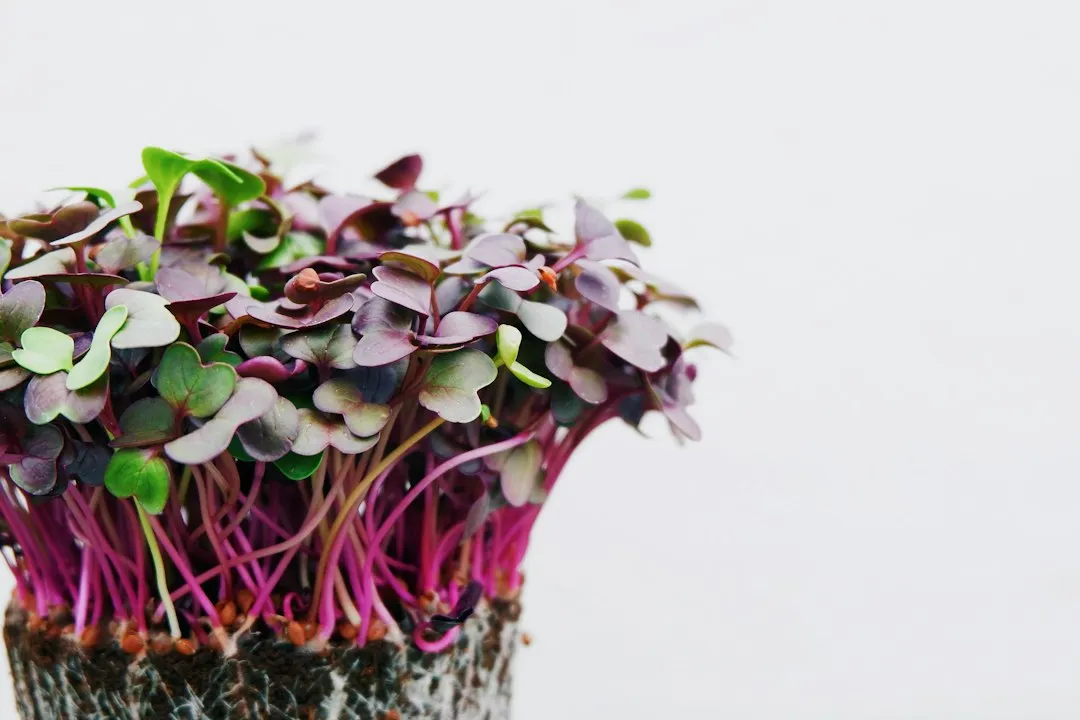
A microgreen is a young vegetable or herb seedling where seeds are sown densely and harvested at a very early stage, just after the seedling has developed its first true leaves. They’re not the same as sprouts, which are consumed root and all after just a few days in water.
A sprout consists of the seed, root, and stem, while microgreens are harvested without the roots. Microgreens also have stronger flavors compared to sprouts and come in a wider selection of leaf shapes, textures, and colors.
Microgreens are defined as tender, immature greens harvested shortly after the emergence of the first true leaves and represent an innovative category within the domain of functional foods. That distinction matters, both nutritionally and in the kitchen.
The 10-Day Timeline Is Real
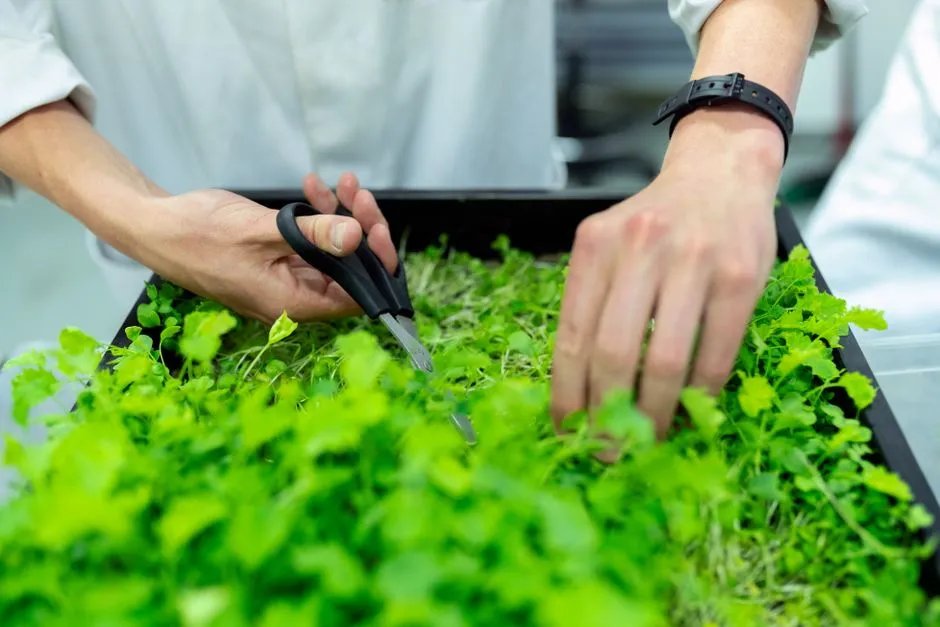
You can grow delicious and nutritious microgreens on your kitchen counter, in a sunny window, or under lights any time of the year, and in as little as a week to 10 days you’ll be making your first harvest. That timeline holds up for the most common fast-growing varieties.
The average crop time for fast-growing microgreens, such as many brassicas, is 10 to 14 days from seeding to harvest. Slower-growing microgreens, such as beets, chard, and many herbs, may take 16 to 25 days to reach harvestable size.
Microgreens are ready to harvest when they are two to four inches tall and the first set of true leaves are just starting to emerge. This is usually seven to ten days but may be longer depending on the seeds you grow.
Best Varieties for a Fast Winter Harvest
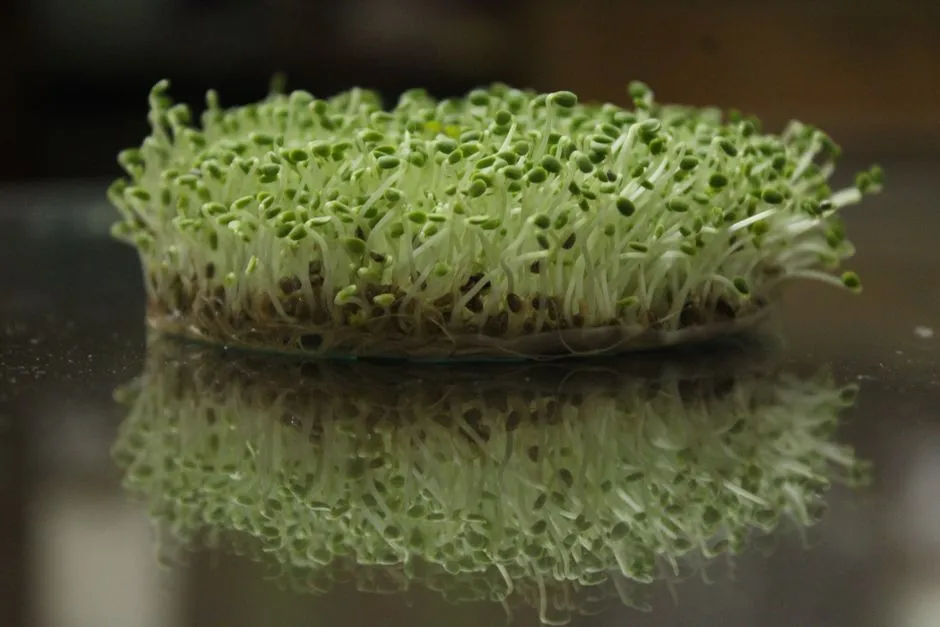
Choose fast-growing microgreens that are more forgiving. Radish, mustard, arugula, and broccoli microgreens germinate quickly and tolerate moderate indoor light conditions. These varieties maintain steady growth under artificial lights and adapt easily to limited natural light, making them dependable choices during the winter months.
Sunflowers, peas, buckwheat, chard, beets, and cilantro grow best in soil. They require a bit more patience, but the flavor reward is worth it. Radish, on the other hand, is one of the fastest of all, often ready to cut in as few as seven days.
Basil, cilantro, and beet microgreens need longer light exposure, slightly warmer temperatures, and consistent moisture to develop evenly. These crops respond best to a stable indoor environment with balanced light intensity and warmth, rewarding the effort with rich color, strong aroma, and concentrated flavor once mature.
What the Nutrition Research Actually Shows
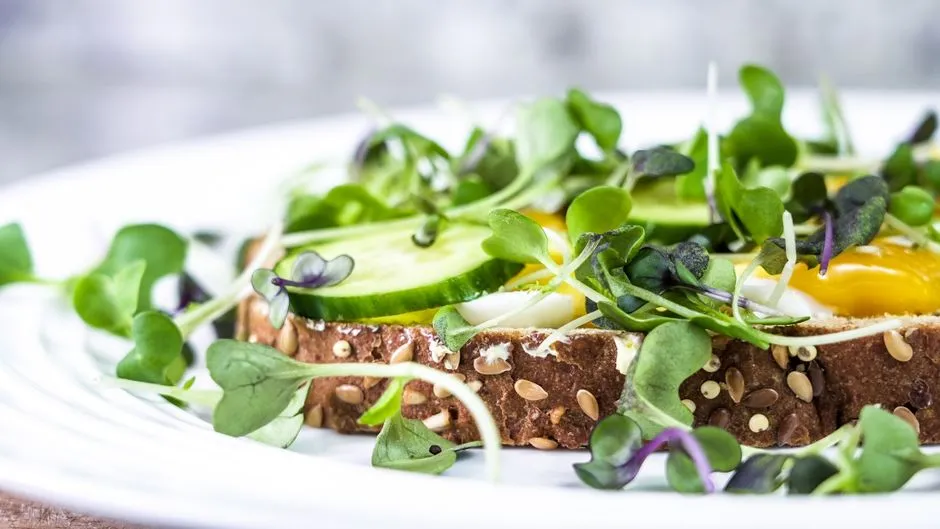
Microgreens are young plants harvested just after the cotyledons have developed and have become known for their nutrient density, with studies showing they can have higher concentrations of vitamins, minerals, and bioactive compounds than their mature counterparts.
Microgreens often exhibit four to forty times higher concentrations of vitamins, minerals, and phytochemicals per unit weight compared to their mature counterparts, according to research published in 2025. That’s not a marketing claim – it comes from peer-reviewed literature.
Research shows that microgreens of red cabbage, cilantro, and garnet amaranth are far richer in vitamin C, vitamin E, and beta-carotene than mature plants. Specifically, red cabbage microgreens contained six times more vitamin C and 69 times more vitamin K than mature red cabbage. Those figures, documented by Dubey et al. in 2024, are striking even by the standards of functional food research.
Antioxidants and Bioactive Compounds

Researchers analyzing six microgreens revealed their diverse nutritional profiles, high antioxidant content, and potential to combat micronutrient deficiencies. The study, published in Scientific Reports in 2025, drew attention across the nutrition science community.
Black radish microgreens had the strongest antioxidant capacity, making them a powerful dietary addition for individuals seeking to boost cellular protection against disease. Red beet microgreens provide a rich source of flavonoids for heart health, while black radish microgreens exhibit strong antioxidant properties.
The bioactive ingredients in microgreens offer various pharmacological functions such as antiobesity, anti-diabetic, antioxidant, and anti-inflammatory effects, according to a 2025 review published in Food Science by researchers at Shanghai Ocean University. The science is still developing, but the direction is consistent.
Getting the Light Right in Winter
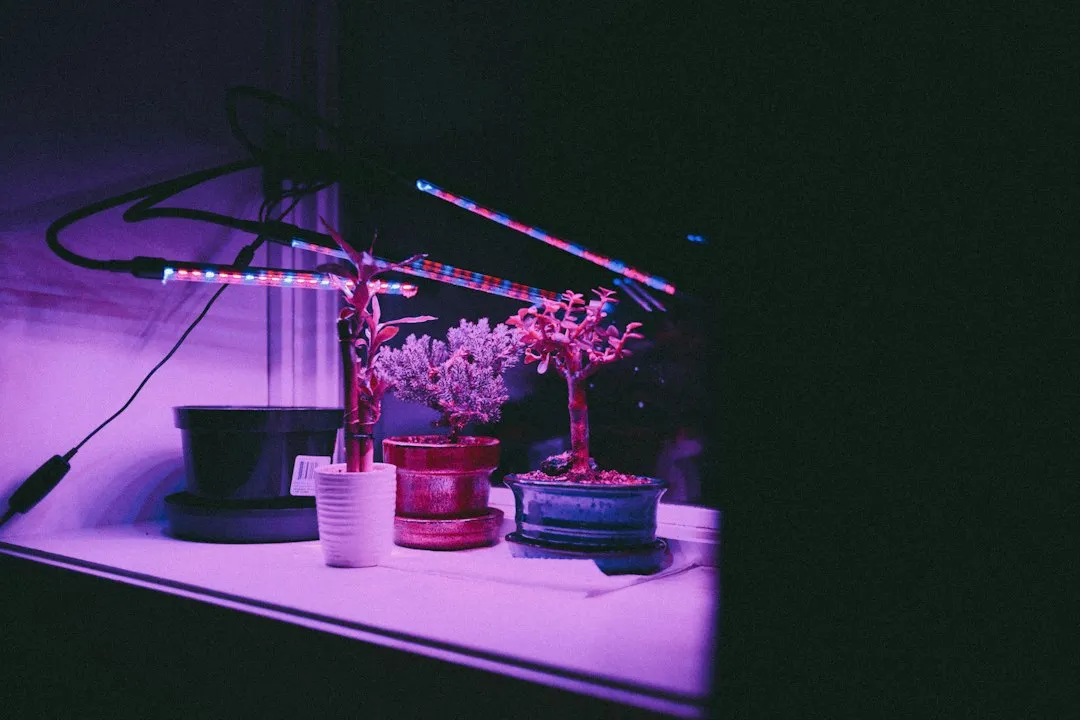
Winter daylight is rarely enough, even near a bright window. For consistent yields, supplement with LED grow lights. A simple full-spectrum strip light placed 6 to 12 inches above the trays can mimic spring sunshine. Aim for 12 to 16 hours of light per day.
For compact, nutrient-dense plants, full-spectrum LEDs with a balance of blue light and warm tones effectively simulate natural light and support strong, healthy growth. This matters more in winter than at any other time of year.
Microgreens germinate in the dark, then need 6 to 12 hours of light a day to grow short, green, and dense. A bright windowsill works, but a small LED grow light a few inches above the tray gives more even, year-round results.
Temperature: What Your Kitchen Needs to Deliver
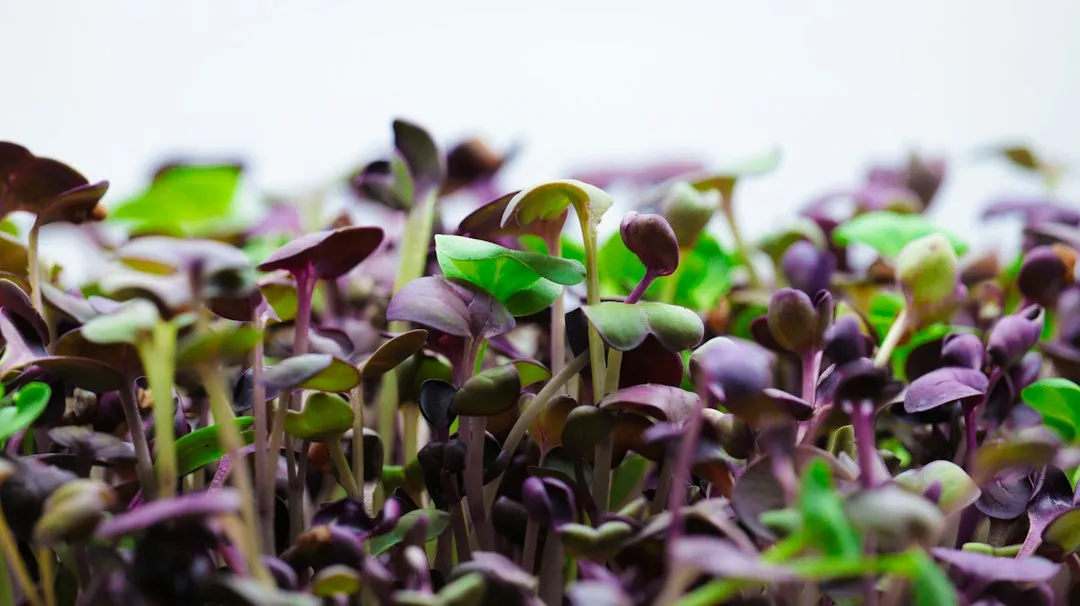
The general recommendation for microgreens is to maintain temperatures between 60 and 70°F (16°C to 21°C), according to guidance from Virginia Tech’s extension publication, citing Dubey et al. 2024 and earlier research. Most heated homes fall comfortably within this range, even in January.
Most microgreens germinate well at 65 to 75°F (18 to 24°C). Microgreens will germinate and grow well from 70 to 75°F. Cabbage family plants germinate rapidly, in about 36 hours, at 72°F.
Keeping the temperature between 65 and 75°F (18 to 24°C) supports steady germination and prevents fungal issues. Avoid placing trays near drafty windows or cold exterior walls during deep winter months, as temperature swings slow germination noticeably.
Soil or Soilless: Which Growing Medium Works Best
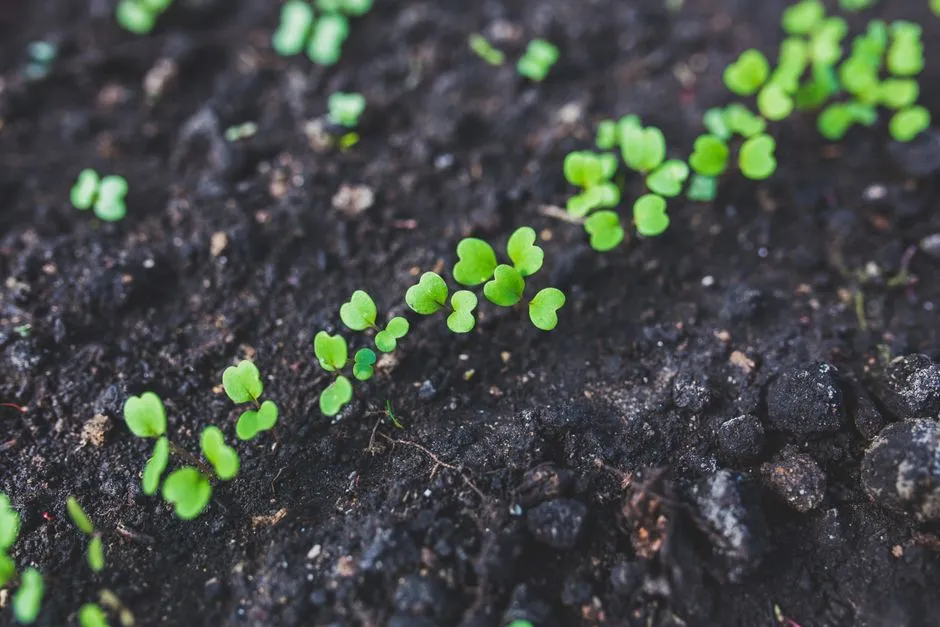
You can grow any microgreens in soil and most hydroponically. Both approaches work well at home, and the choice often comes down to what you find easiest to manage and clean.
You can skip the planting media and go hydroponic using a growing pad instead. This makes harvesting clean and easy and works well for broccoli, kale, arugula, cabbage, cauliflower, mustard, and radish seeds.
Soil-grown microgreens contained higher nutritive value than coco pith and water when compared to other growing mediums, according to a 2024 comparative study published in the South African Journal of Botany. If nutrition density is your priority, soil remains the stronger option.
Watering, Misting, and Avoiding Mold
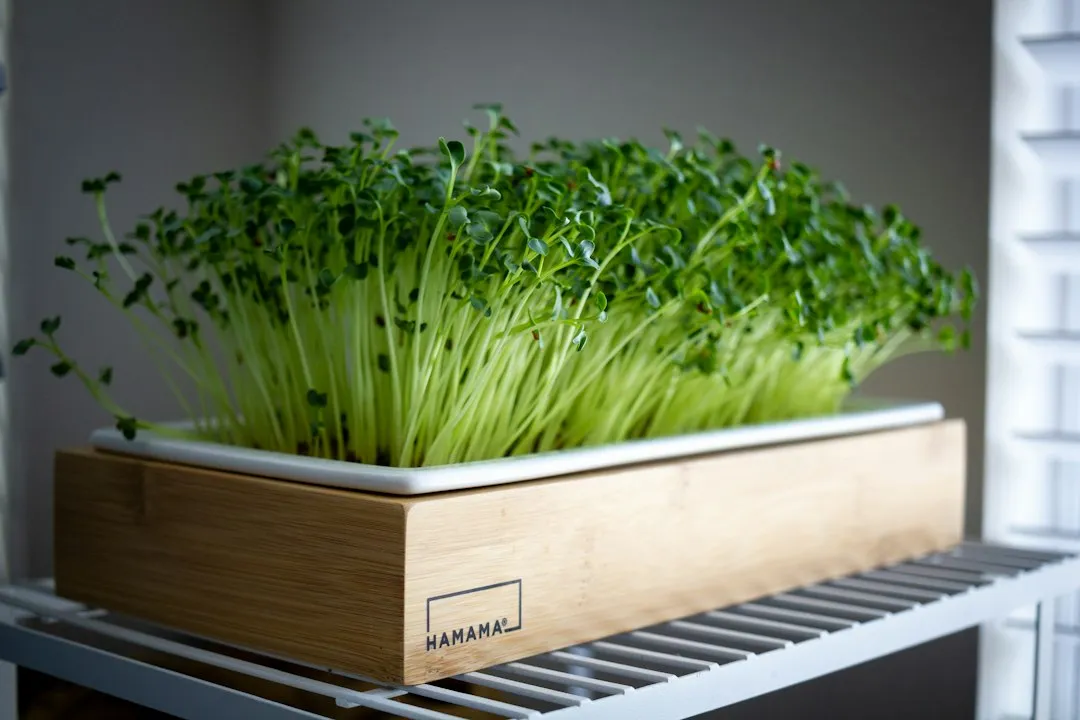
Soak seeds in cold water for 12 to 24 hours for faster and greater sprouting. Check the seeds twice a day and mist them as needed. Remove the cover in three to five days once the seeds sprout and start growing.
Adequate air circulation is essential to prevent mold and mildew growth on your microgreens. This is one of the most common problems for winter growers, since indoor air tends to be drier and stale. A small fan on low speed nearby solves the problem quickly.
Consistent moisture is key. Mist rather than pour water to prevent the roots from becoming oversaturated or damaged. Overwatering is genuinely the most common beginner mistake, and it encourages the damp, stagnant conditions that mold loves.
Harvesting, Storing, and Using Your Greens
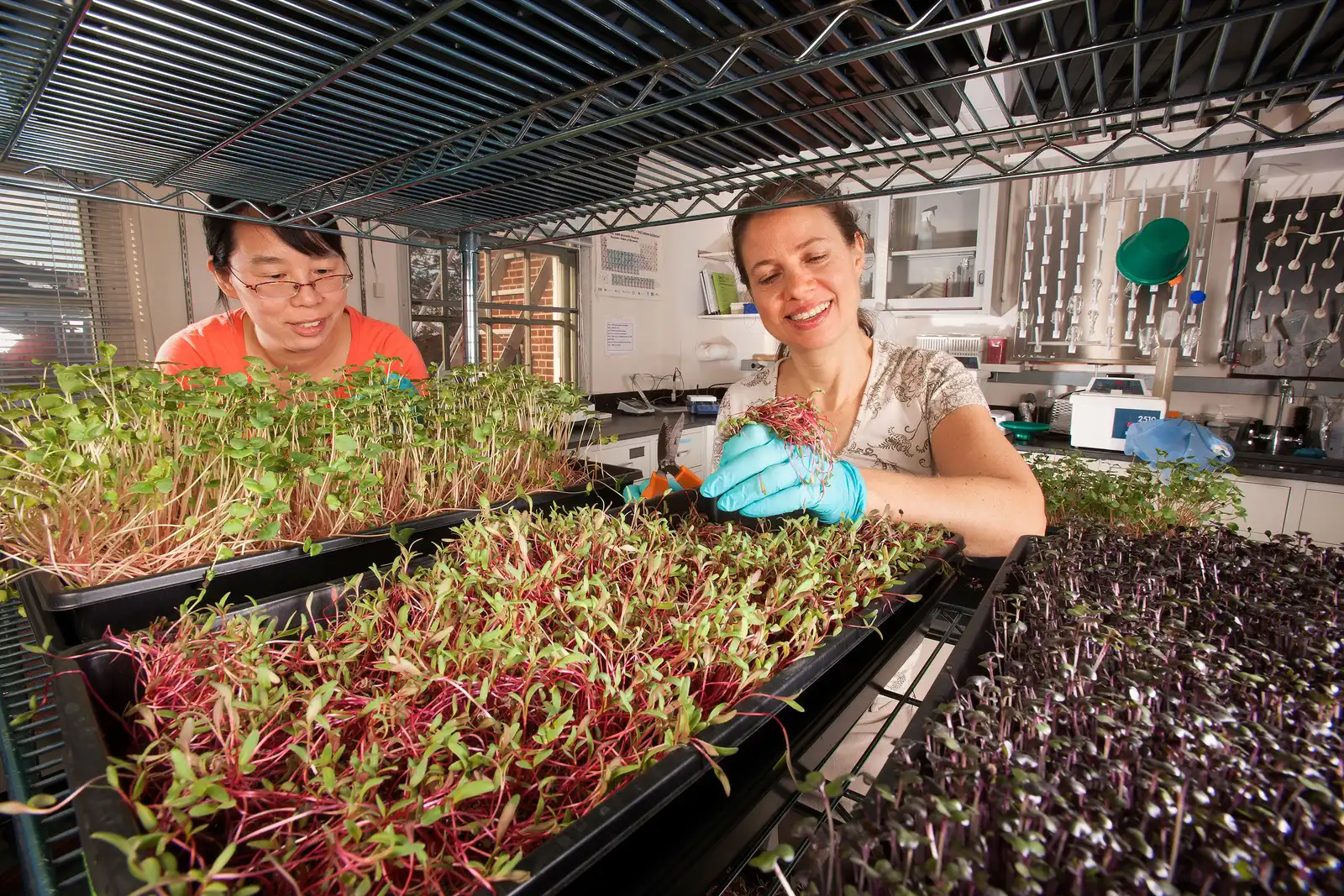
Microgreens are ready to harvest when they are 2 to 4 inches tall, when the first set of true leaves, which resemble those of the mature plant, are just starting to emerge. This usually takes 7 to 10 days but may be longer depending on the type of seed.
Most microgreen crops should be harvested within 14 to 15 days from planting for the best flavor and freshness. It is best to harvest and use microgreens immediately. You can refrigerate cut microgreens in a covered container for 3 to 5 days.
Harvest in the morning for peak crispness. Cut only what you need and let the rest keep growing for another day or two. That flexibility is one of the genuinely underrated advantages of counter-top growing – you harvest on your own schedule, meal by meal.
The Takeaway
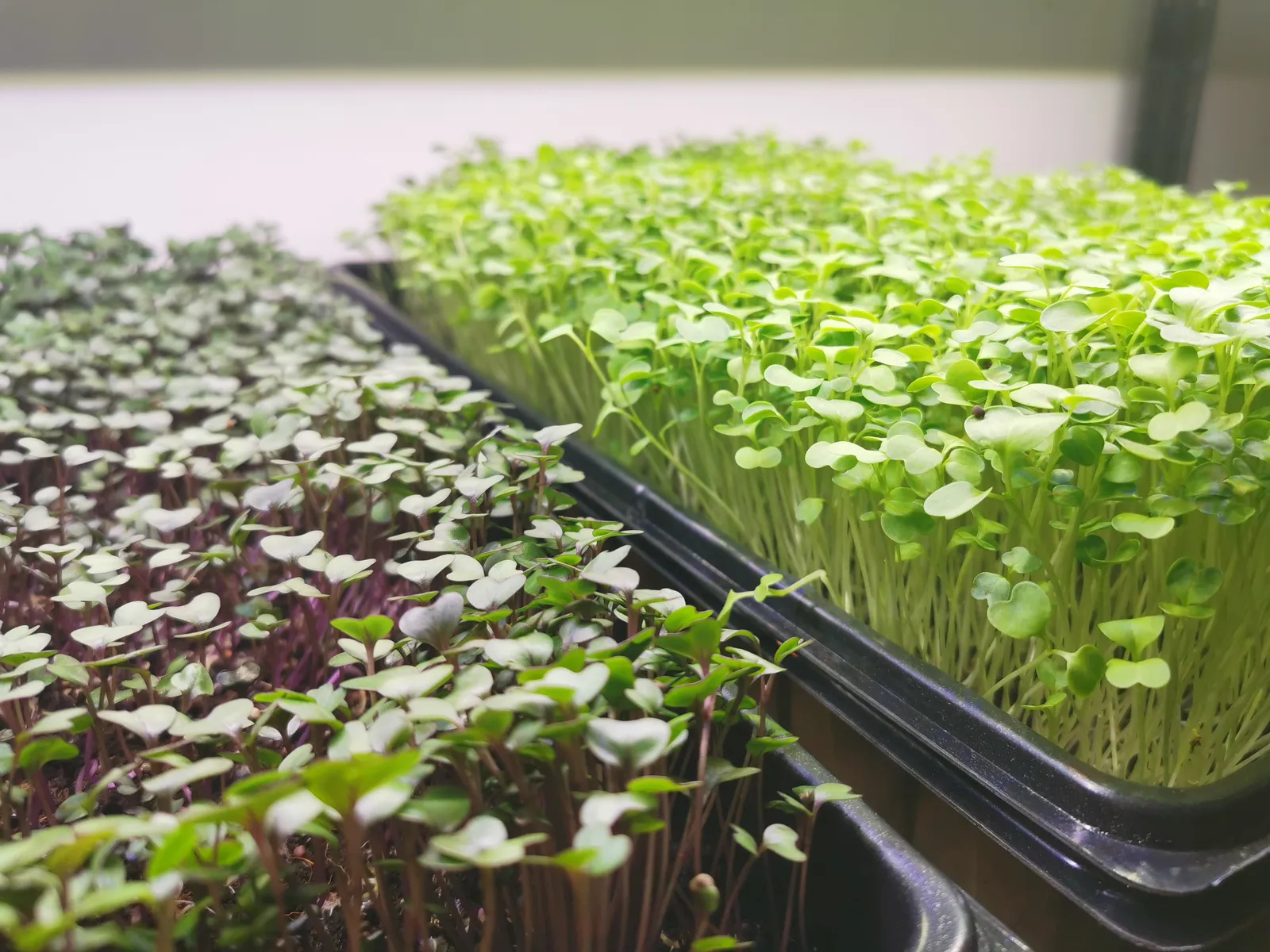
Growing microgreens in winter isn’t a workaround or a compromise. It’s a straightforward system that works reliably, takes up almost no space, and delivers genuinely nutritious food in roughly the same time it takes to finish a week at the office.
The research from 2024 and 2025 only strengthens what practitioners have long understood: microgreens have gained substantial interest because they offer nutritional value as well as health benefits, bringing outstanding nutritional worth because they pack up to 40 times more nutrients than full-size vegetables.
A shallow tray, a bag of seeds, and a modest LED light are all it takes to keep fresh greens on the table through February. Winter is no longer a reason to go without.
AI Disclaimer: This article was created with the assistance of AI tools and reviewed by a human editor.