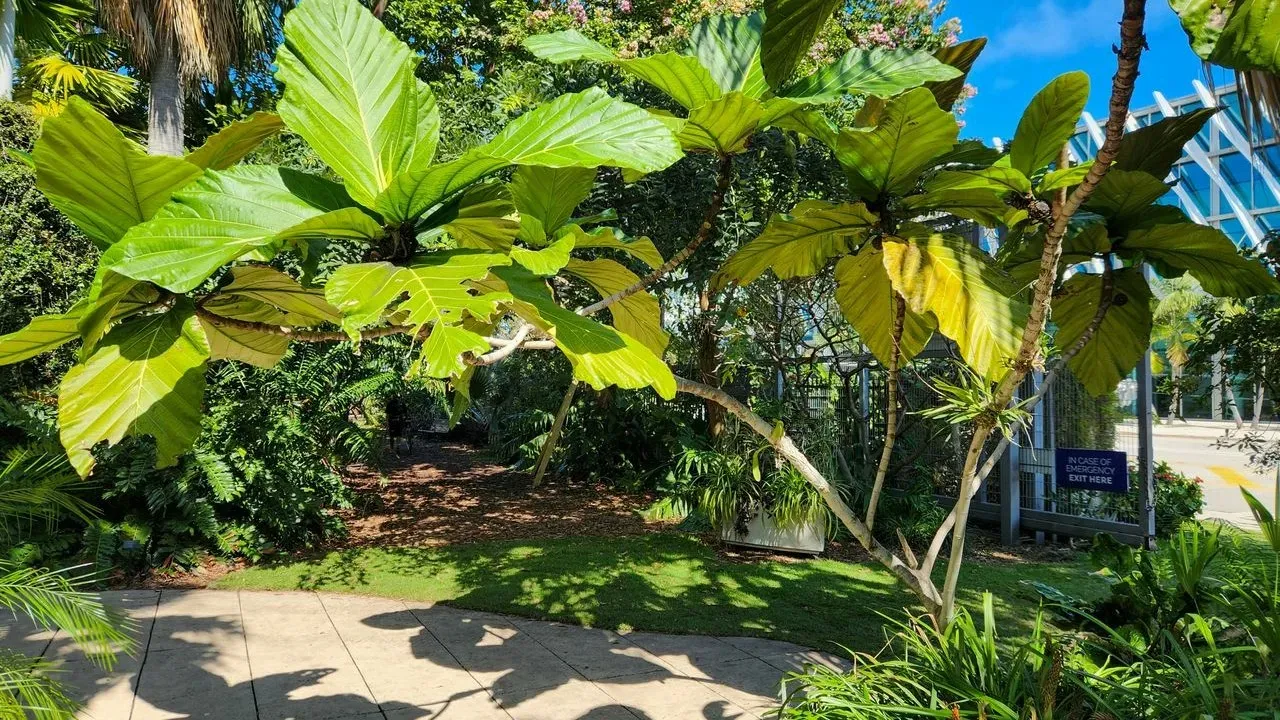

Miami is turning to a simple, time-tested solution to rising temperatures. The city is distributing 600 fruit trees to residents, a direct response to the challenges of extreme heat in the area. The effort combines immediate shade with the promise of homegrown produce that can help cool neighborhoods over time. ([1])
Fruit Varieties That Deliver Shade and Snacks
The giveaway features several popular tropical trees known for both their cooling canopies and edible yields. Mangoes and avocados headline the selection, joined by starfruit and lychee. These species thrive in the local climate and grow into substantial trees that block sunlight while producing fruit for years.
Residents who plant them gain more than just greenery. The broad leaves create natural shade that lowers surface temperatures around homes and yards. Over time, the trees also support local biodiversity by attracting pollinators and birds. The combination of practical cooling and fresh food makes the program especially appealing in a region where summers grow increasingly intense.
A Mayor Who Practices What She Plants
City of Miami Mayor Eileen Higgins highlighted the personal side of the initiative. She received a lychee tree and noted her own backyard food forest, inviting others to visit and share in the harvest. Her comment underscores how the program encourages residents to think beyond single trees and toward small-scale urban orchards.
Such personal involvement helps shift public perception of city-led environmental efforts. When leaders demonstrate the benefits in their own spaces, the message resonates more strongly with homeowners who may be considering similar plantings. The approach blends official policy with everyday gardening enthusiasm.
Long-Term Cooling Through Urban Greenery
Extreme heat affects daily life in Miami, from higher energy bills for air conditioning to health risks during peak hours. Adding hundreds of fruit trees addresses part of the problem by expanding the urban canopy. Each mature tree provides measurable shade that can reduce surrounding air temperatures by several degrees.
The program also promotes food security at the household level. Families who plant these trees gain access to fresh, locally grown produce without relying solely on grocery stores. Over successive seasons, the cumulative effect of many such plantings can contribute to a cooler, more resilient city landscape. The focus remains on practical steps that deliver both environmental and personal returns.
AI Disclaimer: This article was created with the assistance of AI tools and reviewed by a human editor.