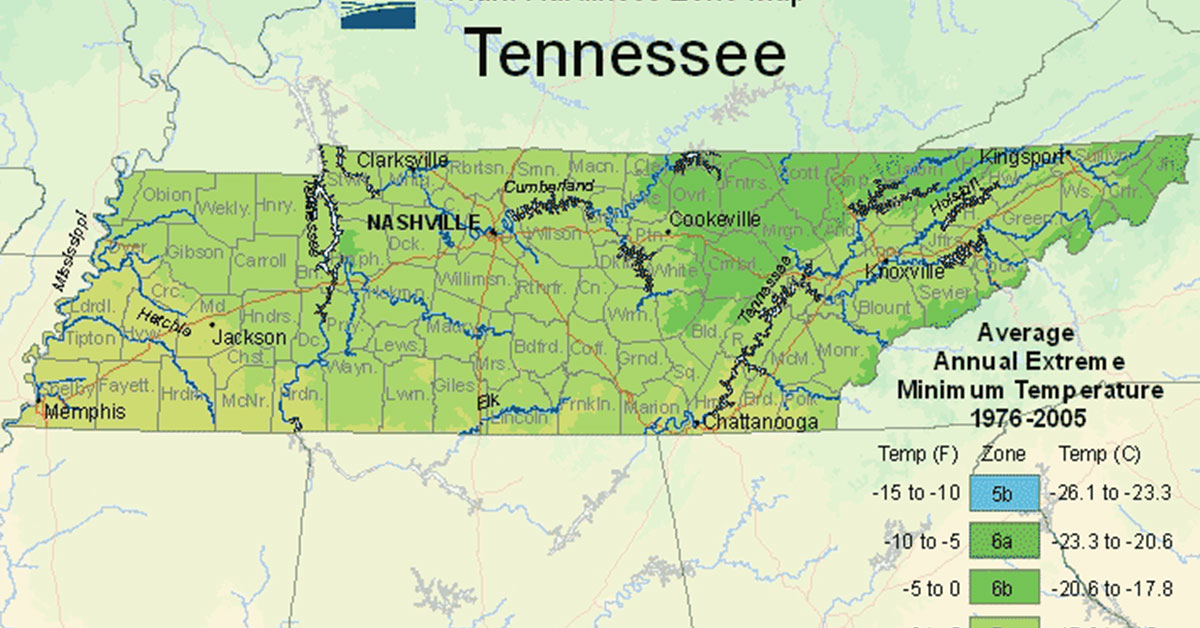

Welcome to the vibrant world of gardening in Memphis, Tennessee! Nestled in the heart of the southeastern United States, Memphis offers a unique and diverse climate that presents both opportunities and challenges for gardeners. One of the key factors to consider when planning your garden in this region is the USDA hardiness zone. Memphis falls within zone 7b, which means that gardeners must carefully select plants that can thrive in this specific climate.
In this article, we will explore the characteristics of zone 7b, discuss the types of plants that are best suited for this zone, and provide valuable tips and techniques to help you create a flourishing garden in Memphis. Whether you are a seasoned gardener or just starting out, this guide will equip you with the knowledge and inspiration to cultivate a beautiful and thriving garden in the unique climate of Memphis.
What is Memphis’s USDA hardiness zone?
The USDA hardiness zone is a classification system used to determine the suitability of plants for specific geographic regions based on their ability to withstand the average annual minimum temperatures. This system is crucial for gardeners and plant enthusiasts as it helps them choose plants that are likely to thrive in their specific climate. In the case of Memphis, Tennessee, the city falls within USDA hardiness zone 7b. This means that the average annual minimum temperature in Memphis ranges from 5 to 10 degrees Fahrenheit (-15 to -12 degrees Celsius).
It is important to note that this is just an average, and extreme weather events can occasionally cause temperatures to fall outside this range. Knowing the hardiness zone of a particular area is essential because it helps gardeners select plants that can tolerate the local climate conditions. In Memphis, zone 7b offers a relatively mild winter with occasional cold snaps, making it suitable for a wide range of plants. Here are some examples of plants that thrive in USDA hardiness zone 7b in Memphis:
Trees: Japanese maple (Acer palmatum), Southern magnolia (Magnolia grandiflora), Crape myrtle (Lagerstroemia indica), Dogwood (Cornus florida).
Shrubs: Azalea (Rhododendron spp.), Camellia (Camellia japonica), Butterfly bush (Buddleja davidii), Rose of Sharon (Hibiscus syriacus).
Perennials: Daylilies (Hemerocallis spp.), Black-eyed Susan (Rudbeckia hirta), Coneflowers (Echinacea spp.), Hostas (Hosta spp.).
Annuals: Marigolds (Tagetes spp.), Zinnias (Zinnia elegans), Petunias (Petunia spp.), Impatiens (Impatiens walleriana).
It is important to note that while plants within the recommended hardiness zone are more likely to thrive, other factors such as soil type, sunlight exposure, and moisture levels also play a significant role in a plant’s success. Therefore, it is always advisable to consider these factors when selecting plants for your garden in Memphis.
When can you plant your garden in Memphis?
In Memphis, the ideal planting times for various plants can be determined by referring to its USDA hardiness zone, which is Zone 7b. This zone is characterized by an average minimum winter temperature range of 5 to 10 degrees Fahrenheit (-12 to -14 degrees Celsius). Understanding the ideal planting times based on this zone can help ensure the success of your garden.
For cool-season vegetables, such as lettuce, spinach, and broccoli, the ideal planting time in Memphis is in early spring, around mid-March to early April. These plants thrive in cooler temperatures and can tolerate light frosts.
Warm-season vegetables, such as tomatoes, peppers, and cucumbers, should be planted after the last frost date, which typically occurs around mid-April to early May in Memphis. These plants require warmer temperatures to grow and should be protected from any late spring frosts.
When it comes to annual flowers, the ideal planting time in Memphis is in early spring, around mid-March to early April, after the threat of frost has passed. This allows the flowers to establish themselves before the hot summer months.
Perennial flowers, on the other hand, can be planted in both spring and fall. Spring planting should be done in early to mid-April, while fall planting can be done in late September to early October. This gives the perennials enough time to establish their root systems before the extreme temperatures of summer or winter.
It’s important to note that these are general guidelines, and specific plant varieties may have slightly different planting requirements. Always refer to the specific planting instructions provided by the seed packet or plant label for optimal results. Additionally, local weather conditions can vary from year to year, so it’s advisable to keep an eye on the weather forecast and adjust your planting schedule accordingly.
What grows well in Memphis?
Memphis, Tennessee falls within USDA hardiness zone 7b. This means that the average minimum winter temperature in this region ranges from 5 to 10 degrees Fahrenheit (-12 to -14 degrees Celsius). Here is a comprehensive list of plants that generally grow well in Memphis:
- Southern Magnolia (Magnolia grandiflora)
- Red Maple (Acer rubrum)
- River Birch (Betula nigra)
- Sweetgum (Liquidambar styraciflua)
- Crepe Myrtle (Lagerstroemia indica)
- Eastern Redbud (Cercis canadensis)
- American Holly (Ilex opaca)
- Dogwood (Cornus florida)
- Azalea (Rhododendron spp.)
- Camellia (Camellia spp.)
- Boxwood (Buxus spp.)
- Dwarf Yaupon Holly (Ilex vomitoria ‘Nana’)
- Japanese Pieris (Pieris japonica)
- Dwarf Burford Holly (Ilex cornuta ‘Burfordii Nana’)
- Forsythia (Forsythia spp.)
- Abelia (Abelia spp.)
- Black-eyed Susan (Rudbeckia spp.)
- Coneflower (Echinacea spp.)
- Daylily (Hemerocallis spp.)
- Hosta (Hosta spp.)
- Phlox (Phlox spp.)
- Salvia (Salvia spp.)
- Coreopsis (Coreopsis spp.)
- Bee Balm (Monarda spp.)
- Marigold (Tagetes spp.)
- Petunia (Petunia spp.)
- Zinnia (Zinnia spp.)
- Impatiens (Impatiens spp.)
- Geranium (Pelargonium spp.)
- Begonia (Begonia spp.)
- Coleus (Plectranthus scutellarioides)
- Snapdragons (Antirrhinum spp.)
- Carolina Jessamine (Gelsemium sempervirens)
- Trumpet Vine (Campsis radicans)
- Clematis (Clematis spp.)
- Confederate Jasmine (Trachelospermum jasminoides)
- Honeysuckle (Lonicera spp.)
- Passionflower (Passiflora spp.)
- Wisteria (Wisteria spp.)
- Climbing Hydrangea (Hydrangea anomala subsp. petiolaris)
Remember to consider factors such as sunlight, soil type, and water requirements when selecting plants for your specific garden. Additionally, local nurseries and garden centers can provide valuable advice and recommendations based on the specific conditions in Memphis.
What won’t grow in Memphis?
In Memphis, which falls within USDA hardiness zone 7b, there are certain plants that may struggle to thrive due to the region’s climate and growing conditions. Here are some plants that may not perform well in Memphis:
- Tropical Plants: Plants that require a consistently warm and humid climate, such as banana trees (Musa spp.), may struggle in Memphis due to the region’s colder winters.
- Cold-Sensitive Plants: Some plants that are not cold-hardy, such as citrus trees (Citrus spp.), may struggle to survive the occasional winter freezes in Memphis.
- Alpine Plants: Plants that are adapted to high-altitude or mountainous regions, such as certain alpine flowers or shrubs, may struggle in Memphis due to the region’s lower elevation and warmer climate.
- Desert Plants: Plants that thrive in arid or desert conditions, such as cacti and succulents, may struggle in Memphis due to the higher humidity levels and occasional heavy rainfall.
- Tender Perennials: Some perennial plants that are not fully cold-hardy, such as certain varieties of lavender (Lavandula spp.) or rosemary (Rosmarinus officinalis), may struggle to survive the colder winters in Memphis.
It’s important to note that while these plants may not thrive in Memphis, there are still many other plant options that are well-suited to the region’s climate and growing conditions. Always consider the specific needs of each plant and consult with local nurseries or gardening experts for more tailored recommendations.