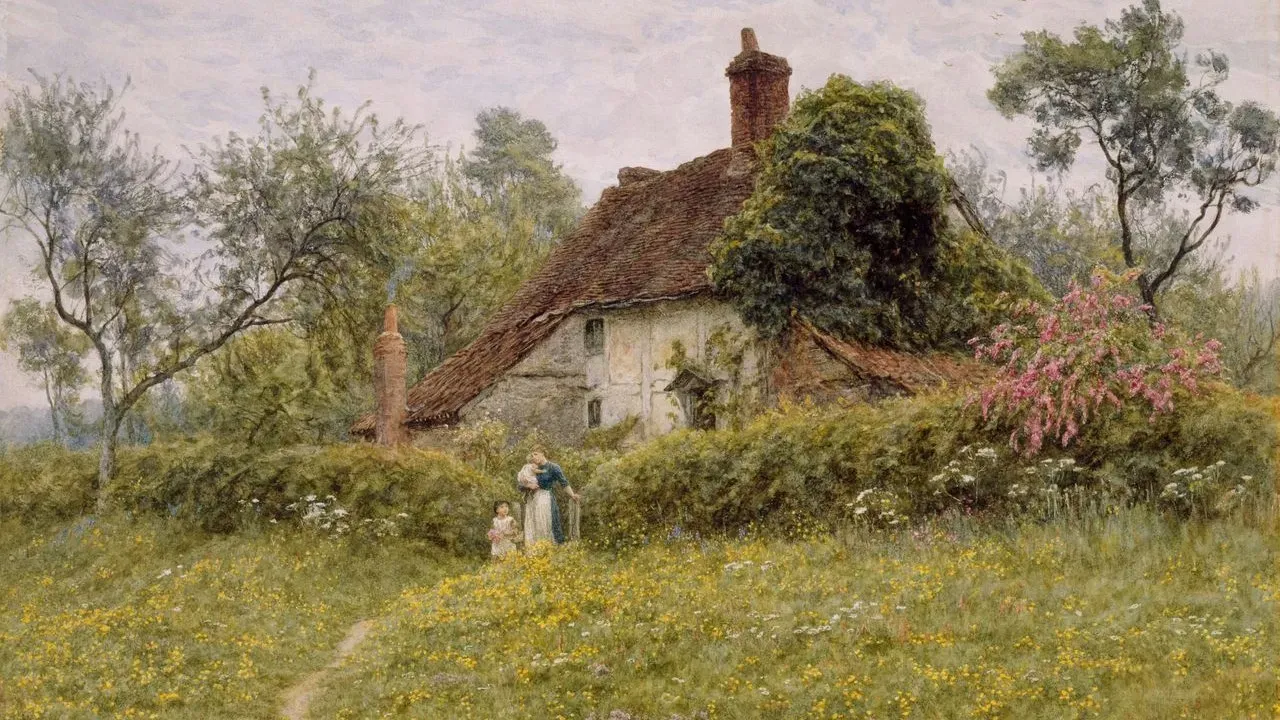

New York – Maxine’s cottage garden stands out not for neat rows or clipped edges but for the way every inch feels alive with intention. The borders overflow with plants that compete for space yet somehow create a single, harmonious picture. This approach turns the usual idea of a tidy garden on its head and shows what happens when density is treated as a feature rather than a flaw.
A Design Choice That Feels Unexpected
Most gardeners spend years trying to keep plants from crowding one another. Maxine takes the opposite route. She packs the beds so tightly that foliage and flowers touch and overlap from spring through fall. The result looks spontaneous, yet every placement serves the larger composition.
Visitors often pause at the edge of the property, unsure whether the scene is carefully planned or simply left to grow. The answer lies in the balance of height, spread, and seasonal timing. Plants that might overwhelm a smaller space here support one another, creating layers that change with the light and the weeks.
Tightly Packed Borders at Work
The borders run along the sides and back of the modest house, leaving only narrow paths for access. Within those borders, tall perennials rise behind mid-height shrubs and lower ground covers. The arrangement ensures that no single plant dominates for long; as one fades, another steps forward.
Because the planting is so dense, weeds have little room to establish. The canopy of leaves also helps retain moisture during dry spells. What appears at first glance to be wild abundance is in fact a practical system that reduces maintenance while increasing visual interest throughout the season.
Color, Texture, and the Living Mix
Flowers provide the obvious color, yet foliage carries much of the weight. Silvery leaves sit beside deep greens and burgundy tones. Fine textures contrast with broad, bold ones, so the eye keeps moving across the beds even when blooms are few.
The mix changes with the calendar. Early spring bulbs push through before later perennials fill in. Summer brings stronger hues, while autumn foliage and seed heads extend the show. The constant is the sense that nothing stands alone; every element contributes to the whole.
Why the Approach Resonates
Traditional garden advice often stresses order and separation. Maxine’s garden demonstrates that a different kind of order can be just as satisfying. The density creates a sense of enclosure and abundance that feels generous rather than neglected.
Gardeners who visit leave with new questions about their own spaces. They wonder how much room they have been leaving between plants and whether loosening those rules might produce richer results. The example stays with them because it looks both effortless and deeply considered at the same time.
AI Disclaimer: This article was created with the assistance of AI tools and reviewed by a human editor.