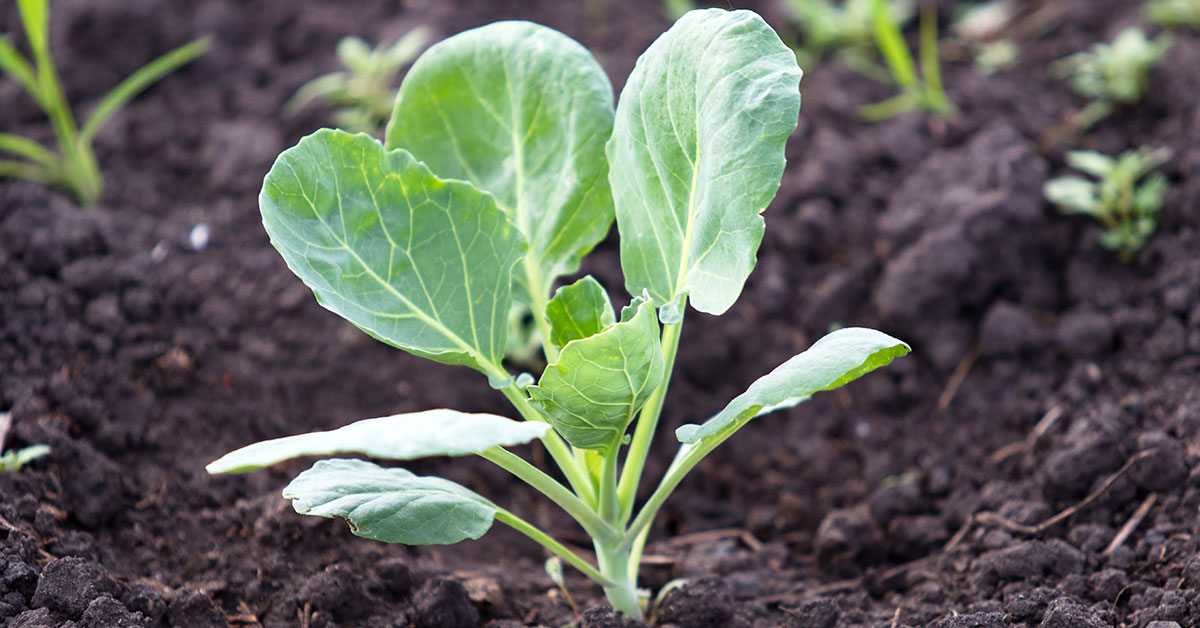

Maximus Brussels Sprout is a captivating vegetable that holds a special place in the hearts of gardeners and food enthusiasts alike. Maximus Brussels Sprout, scientifically known as Brassica oleracea gemmifera ‘Maximus,’ is a variety of Brussels sprout that boasts exceptional qualities. Making it a favorite amongst gardeners seeking a bountiful harvest and delectable culinary experiences.
From its impressive size and robust flavor to its nutritional benefits, Maximus Brussels Sprout is a must-have addition to any vegetable garden. Join us as we uncover the secrets to cultivating and enjoying the remarkable Maximus Brussels Sprout.
What is a Maximus Brussels Sprout?
The Maximus Brussels sprout is a variety of Brussels sprout, also known by its scientific name Brassica oleracea var. gemmifera ‘Maximus’. It is a popular and highly sought-after cultivar among gardeners and vegetable enthusiasts. Maximus Brussels sprouts are known for their large size compared to other varieties. The sprouts can grow up to 1.5 to 2 inches in diameter, making them significantly bigger than the average Brussels sprout. This larger size offers a satisfying and substantial bite when cooked. The plant itself has a sturdy and upright growth habit, reaching a height of about 2 to 3 feet.
The leaves are dark green and form a dense canopy, providing good coverage to the developing sprouts. Maximus Brussels sprouts are typically grown as an annual crop, taking around 90 to 100 days from planting to harvest. When it comes to flavor, Maximus Brussels sprouts offer a deliciously mild and slightly sweet taste.
They are versatile in the kitchen and can be enjoyed in various ways, such as roasting, sautéing, steaming, or even raw in salads. Their texture is firm and tender, and they retain their vibrant green color when cooked properly. Like other Brussels sprout varieties, Maximus Brussels sprouts thrive in cool weather conditions. They prefer full sun but can tolerate some shade. It is important to provide them with well-drained soil that is rich in organic matter.
Regular watering and occasional fertilization will promote healthy growth and a bountiful harvest. As an experienced gardener, I would recommend planting Maximus Brussels sprouts in early spring or late summer for a fall harvest. They are a rewarding addition to any vegetable garden, offering not only a delicious harvest but also an attractive and ornamental plant with their dense foliage and large sprouts.
What does Maximus Brussels Sprout taste like?
The taste of a Maximus Brussels Sprout can be described as a delightful combination of nutty, slightly sweet, and earthy flavors. These sprouts have a mild bitterness that adds depth to their overall taste. When cooked properly, they have a tender texture that is not too firm nor too soft. The flavor intensifies when roasted or sautéed, and they pair well with a variety of ingredients such as bacon, garlic, Parmesan cheese, or balsamic vinegar. Overall, Maximus Brussels Sprouts offer a delicious and satisfying eating experience for those who appreciate their unique taste.
How to start from seed
Here is a step-by-step guide to starting Maximus Brussels Sprouts:
- Seed Selection: Choose high-quality Maximus Brussels Sprout seeds from a reputable supplier or garden center. Look for seeds that are fresh and have a high germination rate.
- Timing: Brussels Sprouts are a cool-season crop, so it’s important to start them at the right time. Begin sowing seeds indoors about 12-14 weeks before the last expected frost date in your area. This will ensure that the seedlings are ready to be transplanted outdoors when the weather is suitable.
- Seed Starting Trays: Fill seed starting trays or small pots with a well-draining seed starting mix. Moisten the mix before planting the seeds.
- Planting the Seeds: Sow the Brussels Sprout seeds about ¼ inch deep in the prepared trays. Space the seeds about an inch apart to give the seedlings enough room to grow.
- Germination: Brussels Sprout seeds usually take around 7-10 days to germinate. During this time, make sure to keep the soil consistently moist, but not waterlogged. You can cover the trays with a plastic dome or a plastic wrap to create a greenhouse-like environment and retain moisture.
- Light and Temperature: Place the seed trays in a warm location with plenty of bright, indirect light. Maintain a temperature of around 60-70°F (15-21°C) during germination. Once the seedlings emerge, move them to a cooler spot with temperatures around 50-60°F (10-15°C) to promote sturdy growth.
- Transplanting: When the seedlings have developed their first true leaves and are about 6-8 weeks old, they are ready to be transplanted outdoors. Harden off the seedlings by gradually exposing them to outdoor conditions over a week or two. Start with a few hours of outdoor exposure and gradually increase the time each day.
- Outdoor Planting: Choose a sunny location in your garden with well-drained soil. Brussels Sprouts prefer slightly acidic soil with a pH between 6.0 and 7.5. Dig a hole slightly larger than the root ball of each seedling and place them in the hole, ensuring the top of the root ball is level with the soil surface. Space the plants about 18-24 inches apart to allow for proper air circulation.
- Care and Maintenance: Water the transplanted seedlings thoroughly after planting and continue to keep the soil consistently moist. Mulching around the plants will help retain moisture and suppress weeds. Regularly monitor for pests and diseases, such as cabbage worms and aphids, and take appropriate measures to control them. Provide support, such as stakes or cages, to prevent the tall plants from toppling over.
- Harvesting: Maximus Brussels Sprouts typically take around 90-100 days to mature. Harvest the sprouts when they reach a suitable size, usually around 1-2 inches in diameter. Start from the bottom of the plant, removing the lower sprouts first, and work your way up the stem.
By following these steps, you should be able to successfully start and grow Maximus Brussels Sprouts in your garden. Happy gardening!
Planting and growing Maximus Brussels Sprout
Here are the steps for planting and growing Maximus Brussels Sprouts:
- Choosing the right location: Select a spot in your garden that receives full sun for at least 6-8 hours a day. The soil should be well-draining and enriched with organic matter.
- Soil preparation: Prior to planting, prepare the soil by removing any weeds or debris. Loosen the soil to a depth of about 8-10 inches and mix in compost or aged manure to improve fertility and drainage.
- Planting seeds: Sow the Maximus Brussels Sprout seeds directly into the garden bed, spacing them about 18-24 inches apart. Plant the seeds about 1/4 to 1/2 inch deep and cover them with soil. Water gently after planting.
- Germination and seedling care: Brussels Sprout seeds usually take around 7-10 days to germinate. During this time, keep the soil consistently moist but not waterlogged. Once the seedlings emerge, thin them out if necessary, leaving the strongest ones spaced according to the recommended distance.
- Watering: Brussels Sprouts require consistent moisture, so water them regularly, aiming for about 1 inch of water per week. Be careful not to overwater, as this can lead to disease.
- Fertilizing: Brussels Sprouts are heavy feeders. Apply a balanced fertilizer or compost around the base of the plants about 3-4 weeks after transplanting, and then again every 4-6 weeks throughout the growing season.
- Mulching: Apply a layer of organic mulch, such as straw or wood chips, around the base of the plants to help retain moisture, suppress weeds, and regulate soil temperature.
- Supporting the plants: As the Brussels Sprout plants grow taller, they may require support to prevent them from toppling over. Install stakes or use a trellis system to keep the plants upright and stable.
- Pest and disease control: Monitor your plants regularly for common pests like aphids, cabbage loopers, and cabbage worms. Use organic pest control methods or insecticidal soaps to manage infestations. Additionally, keep an eye out for diseases like powdery mildew or clubroot and take appropriate measures to prevent or treat them.
- Harvesting: Brussels Sprouts typically take around 90-100 days from planting to harvest. The sprouts will be ready to harvest when they are firm, about 1-2 inches in diameter, and have a bright green color. Start picking the lower sprouts first and work your way up the stem. Leave the top of the plant intact to allow for continued growth and production of smaller sprouts.
By following these steps, you should be able to successfully plant and grow Maximus Brussels Sprouts in your garden. Happy gardening!
When to harvest
The best time to harvest Maximus Brussels Sprouts is typically when the sprouts are firm and reach a size of about 1 to 1.5 inches in diameter. This usually occurs around 90-100 days after transplanting the seedlings into the garden. However, the exact timing can vary depending on your specific growing conditions and the maturity rate of your plants. It is recommended to monitor the sprouts closely and harvest them individually as they reach the desired size, starting from the bottom of the stalk and working your way up. This allows the upper sprouts to continue growing and maturing until they are ready for harvest.