

Winter can be a challenging time for indoor gardeners. With shorter days and reduced sunlight, it’s easy to feel discouraged as your beloved plants struggle to thrive. But fear not! With the right strategies, you can create a vibrant and healthy indoor garden that not only survives but flourishes during the colder months. Whether you’re a seasoned green thumb or just starting your gardening journey, these tips will help you make the most of the natural light available in your home.
Understanding how to maximize natural light is key to maintaining a lush indoor garden in winter. Plants rely on light for photosynthesis, and insufficient light can lead to weak growth, poor flowering, and increased susceptibility to pests and diseases. By implementing thoughtful placement, utilizing reflective surfaces, and selecting the right plants, you can create an environment where your indoor garden can thrive even when the sun takes a winter hiatus. Let’s dive into some effective strategies that will illuminate your indoor gardening experience!
Choosing the Right Plants for Winter Light Conditions
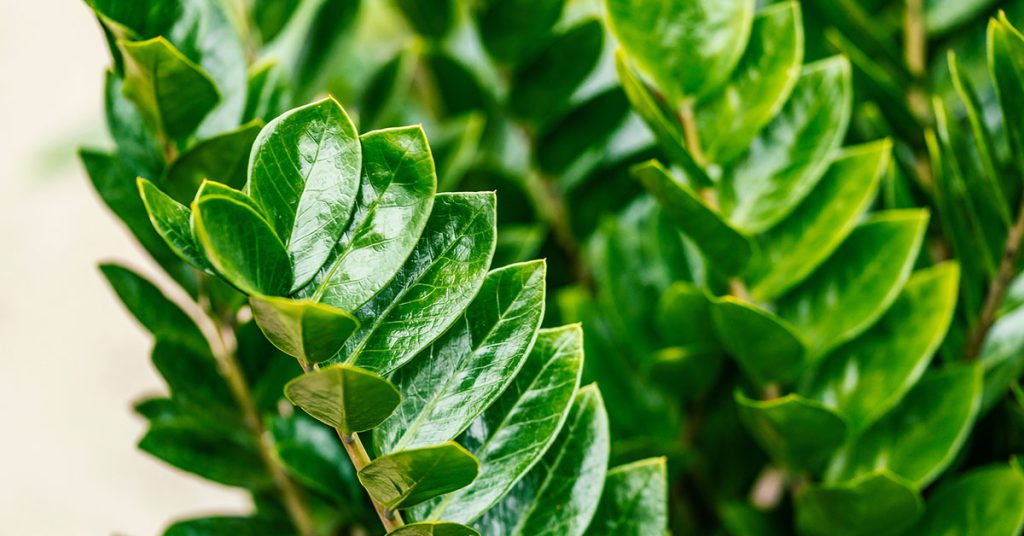
One of the most exciting aspects of indoor gardening is selecting plants that not only survive but thrive in your specific light conditions. During winter, light levels can vary significantly, so it’s essential to choose plants that are well-suited to lower light environments. For example, the Snake Plant (Sansevieria trifasciata) is a fantastic choice! Native to West Africa, it’s incredibly resilient and can tolerate low light and irregular watering. Plus, it’s non-invasive, making it a safe addition to any indoor space.
Another excellent option is the ZZ Plant (Zamioculcas zamiifolia), native to Eastern Africa. This plant is perfect for those darker corners of your home where sunlight is scarce. Its glossy, hearty leaves can store water, allowing it to survive periods of neglect. Both the Snake Plant and ZZ Plant are not only beautiful but also great air purifiers, adding an extra layer of benefit to your indoor garden. I love how these plants can brighten up a room with minimal effort!
Optimizing Window Placement for Maximum Light
Strategic window placement can make a huge difference in how much natural light your indoor garden receives. South-facing windows are typically the best spots, as they receive the most sunlight throughout the day. Placing your plants near these windows ensures they get ample light to thrive. If your home lacks south-facing windows, don’t worry! You can still create a sunny spot by using sheer curtains that allow plenty of light to filter through while providing some privacy.
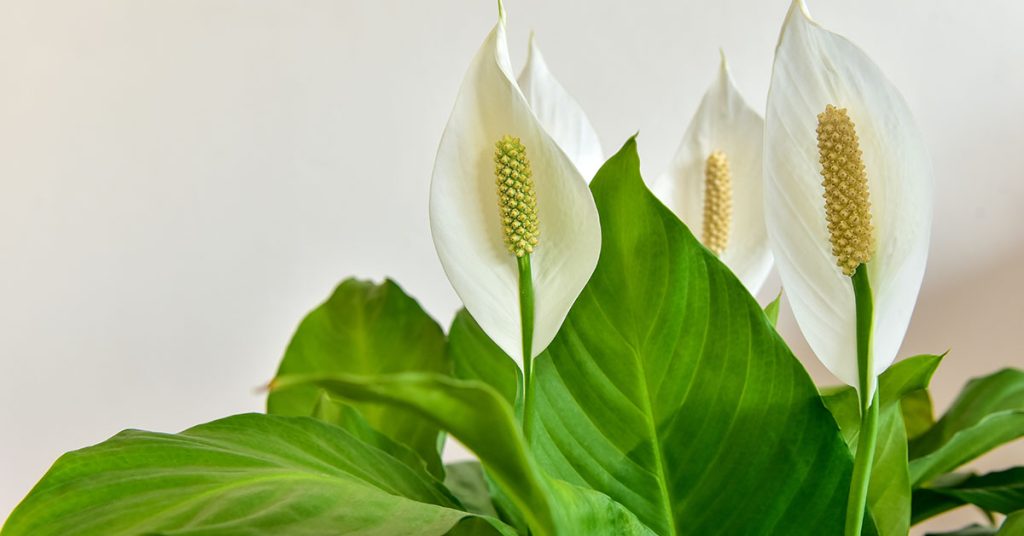
East and west-facing windows are also great alternatives. East-facing windows receive gentle morning light, which is perfect for plants like Peace Lilies (Spathiphyllum), native to tropical regions of the Americas. These plants are not only stunning with their white blooms but also excellent at purifying indoor air. West-facing windows get strong afternoon light, ideal for sun-loving plants such as Aloe Vera, native to the Arabian Peninsula. Aloe Vera is a fantastic choice for both its medicinal properties and its ability to thrive in bright light without being invasive. Positioning your plants thoughtfully around your windows can transform your indoor garden into a sunlit sanctuary!
Utilizing Reflective Surfaces to Enhance Light Exposure
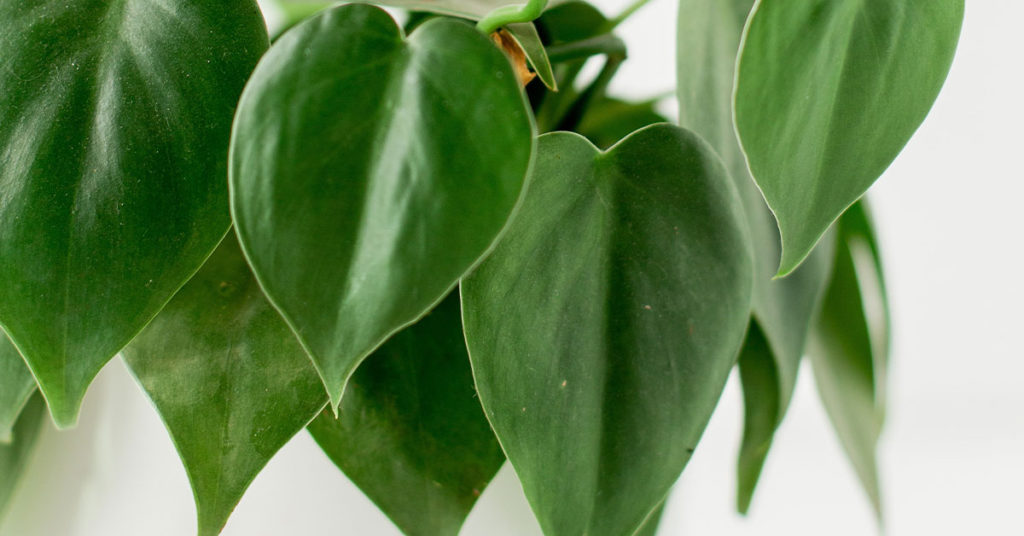
Maximizing natural light isn’t just about where you place your plants—it’s also about how you manage the light within your space. Utilizing reflective surfaces can significantly boost the amount of light your plants receive. Mirrors are a gardener’s best friend in this regard! By strategically placing mirrors opposite windows, you can reflect additional light onto your plants, effectively doubling the available illumination. This trick works wonders for plants like Philodendrons, native to the tropical rainforests of Central and South America. Their lush, trailing vines look stunning with the added light reflection!
Another great option is to use metallic or glossy décor items, such as silver trays or glass ornaments, to bounce light around the room. Light-colored walls also help reflect more light, creating a brighter environment for your indoor garden. I find that adding a few shiny elements not only enhances the light but also adds a touch of elegance to my indoor gardening space. These simple changes can make a big impact, ensuring your plants receive the light they need to stay healthy and vibrant throughout the winter months!
Arranging Plants for Optimal Light Distribution
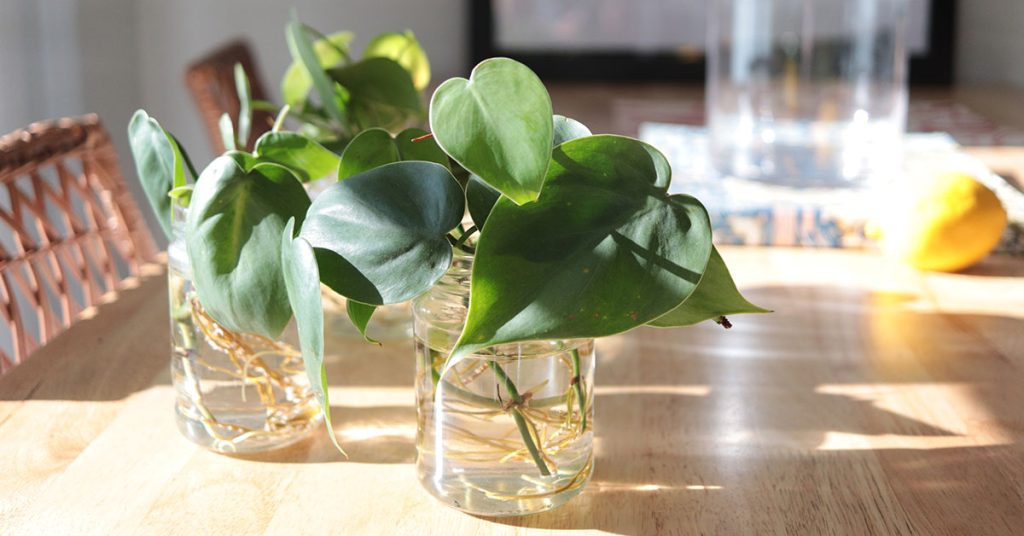
Proper plant arrangement is crucial for ensuring that each plant receives the right amount of light. Taller plants should be placed towards the back or center of your arrangement, while shorter plants can be positioned in front or on shelves. This tiered setup prevents taller plants from casting shadows on their smaller companions. For instance, placing a tall Fiddle Leaf Fig (Ficus lyrata), native to the rainforests of Western Africa, behind a cluster of smaller Pothos (Epipremnum aureum) plants creates a balanced and visually appealing display. Pothos are non-invasive and incredibly versatile, making them perfect for various indoor settings!
Additionally, rotating your plants regularly ensures that all sides receive equal light exposure, promoting even growth. It’s such a satisfying feeling to see your plants grow uniformly when you implement this simple practice! By thoughtfully arranging your plants, you not only maximize light distribution but also create a harmonious and aesthetically pleasing indoor garden. This attention to detail can make a significant difference in the health and appearance of your plants, keeping your indoor space lively and green all winter long.
Cleaning Windows for Maximum Light Intake

Clean windows are essential for allowing as much natural light as possible to enter your home. During winter, windows can quickly become grimy with dust, dirt, and condensation, which can significantly reduce the light available to your indoor garden. Regularly cleaning your windows ensures that your plants receive the maximum amount of sunlight. A streak-free shine can make a noticeable difference, making your plants appear more vibrant and healthy. It’s a small task that pays off big time for your indoor garden!
In addition to regular cleaning, consider using window treatments that can be easily adjusted to control the light flow. Blinds or adjustable curtains allow you to regulate the amount of light your plants receive throughout the day. This flexibility is especially useful during winter when the intensity and angle of sunlight can change rapidly. I always make sure to keep my windows sparkling clean and have easy-to-adjust treatments ready to optimize light intake for my plants. A well-lit indoor garden is not only more beautiful but also healthier, helping your plants thrive even when the days are short!
Incorporating Light-Colored Decor to Boost Brightness

The colors in your home can significantly impact the amount of natural light available to your indoor garden. Light-colored walls, furniture, and décor items reflect more light, creating a brighter and more inviting space for your plants. Whites, pastels, and other light hues can help amplify the natural light, ensuring your plants receive the illumination they need to grow. I love how a fresh coat of light paint can transform a dim room into a bright and cheerful indoor garden haven!
Moreover, using light-colored or reflective surfaces for plant containers and stands can further enhance light distribution. For example, white ceramic pots or glass terrariums not only look stunning but also help reflect light onto your plants. This not only maximizes the available light but also adds a touch of elegance to your indoor garden setup. By thoughtfully incorporating light-colored decor, you can create an environment that is both aesthetically pleasing and highly functional for your winter indoor garden. It’s amazing how these simple changes can make your indoor plants shine even brighter!
Utilizing Sheer Curtains to Filter and Diffuse Light
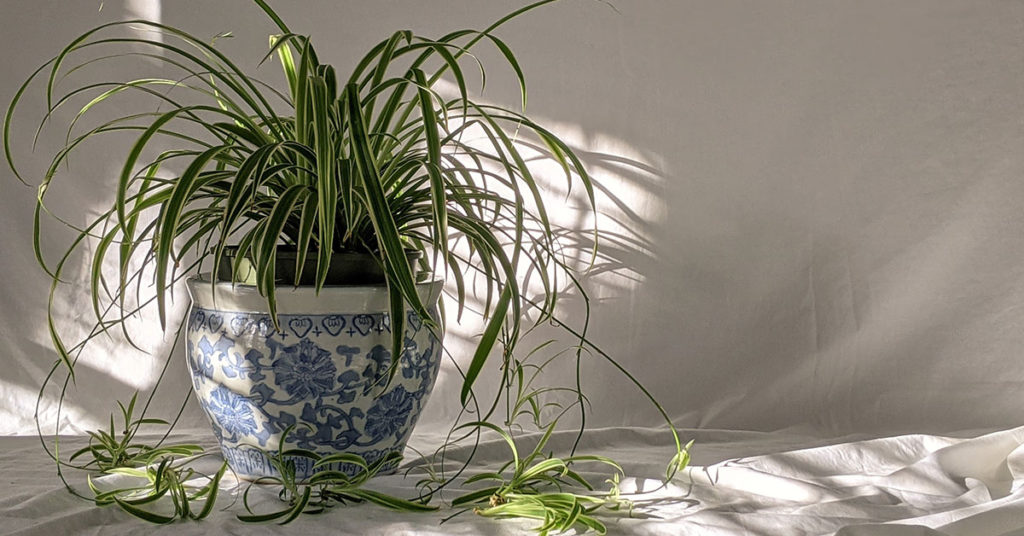
Sheer curtains are a fantastic tool for managing natural light in your indoor garden during the winter. They allow sunlight to filter through gently, providing your plants with consistent light without the harsh glare that can sometimes occur. This diffusion of light creates a soft, even illumination that is perfect for many indoor plants. I find that sheer curtains add a touch of elegance to my windows while ensuring my plants receive the ideal light conditions!
Additionally, sheer curtains help maintain a comfortable temperature by insulating your windows against the cold winter air. This balance of light and warmth is crucial for keeping your plants healthy during the colder months. Plants like Spider Plants (Chlorophytum comosum), native to South Africa, thrive in the diffused light provided by sheer curtains. They are non-invasive and excellent for improving indoor air quality. By using sheer curtains, you can create a nurturing environment that supports the growth and well-being of your indoor garden, making your winter gardening experience both beautiful and hassle-free!
Rotating Plants for Even Light Exposure

Rotating your plants regularly is a simple yet effective strategy to ensure even light exposure, promoting balanced growth. Plants naturally grow towards the light source, a behavior known as phototropism. If left unrotated, one side of your plant might receive more light, leading to uneven growth and a lopsided appearance. By turning your plants a quarter turn every week, you ensure that all sides receive equal light, fostering a more symmetrical and healthy plant structure. It’s such a satisfying process to watch your plants grow evenly when you make this small adjustment!
This practice is particularly beneficial for plants like Ficus elastica (Rubber Plant), native to eastern parts of South Asia, and Monstera deliciosa, native to tropical rainforests of southern Mexico. Both plants benefit greatly from regular rotation, as it prevents them from leaning excessively towards the light source. Not only does this technique enhance the overall aesthetics of your indoor garden, but it also supports robust growth and prevents structural weaknesses. Embracing this simple habit can make a significant difference in the vitality and appearance of your winter indoor garden!
Selecting Mirrors to Reflect Light onto Plants
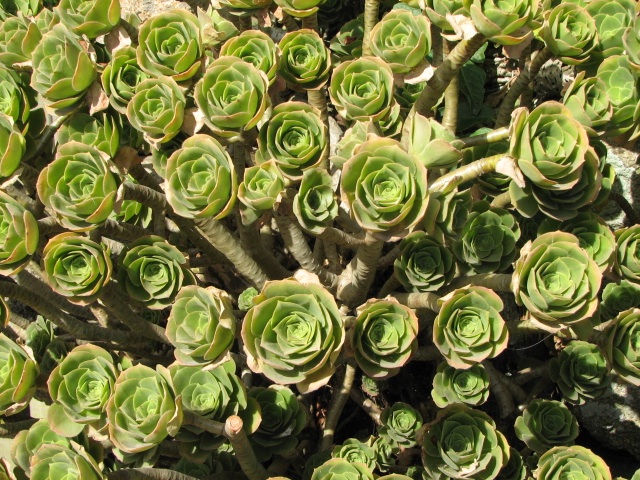
Incorporating mirrors into your indoor gardening setup can dramatically increase the amount of natural light your plants receive. Mirrors reflect and amplify the existing light, effectively doubling the light that reaches your plants. Placing a mirror on the wall opposite a window is a great way to bounce additional light onto your plants, creating a brighter and more vibrant environment. I love using decorative mirrors that not only serve a functional purpose but also add a stylish touch to my indoor garden space!
This technique is especially useful for plants that need a lot of light, such as Succulents, native to arid regions like North America and Africa. While succulents themselves are not invasive, ensuring they receive ample reflected light helps them maintain their firm and colorful appearance. Mirrors can also be strategically placed to highlight specific areas of your garden, creating a dynamic and visually appealing display. By thoughtfully using mirrors, you can enhance the natural light in your home, providing your indoor plants with the bright, cheerful environment they need to thrive during the winter months!
Implementing Plant Stands and Shelving for Better Light Access
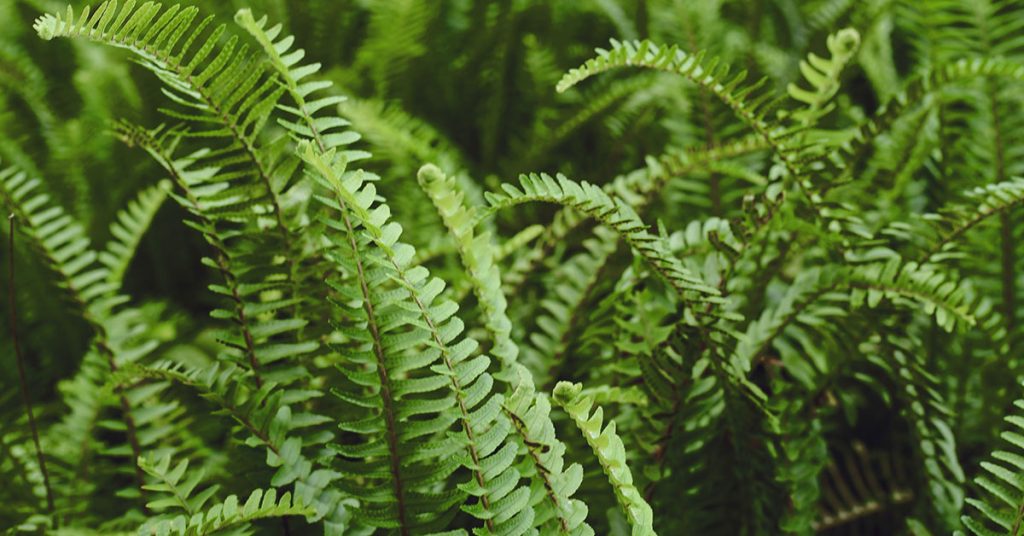
Using plant stands and shelving units is a brilliant way to maximize natural light for your indoor garden. Elevating your plants allows each one to access more light, especially if you have multiple plants grouped together. Stands and shelves can help organize your plants by their light requirements, ensuring that each plant gets the right amount of sunlight without being overshadowed by its neighbors. I’ve found that using tiered plant stands not only improves light distribution but also adds a beautiful vertical element to my indoor garden!
Additionally, shelving units can help you make the most of limited space, allowing you to create a lush, multi-layered garden even in smaller rooms. Plants like Boston Ferns (Nephrolepis exaltata), native to tropical regions around the world, benefit greatly from being elevated, as it provides them with ample light and air circulation. These ferns are non-invasive and add a lovely, feathery texture to your indoor garden. By incorporating plant stands and shelving, you can create a well-lit, organized, and visually stunning indoor garden that thrives all winter long!
Pruning and Maintenance for Optimal Light Utilization
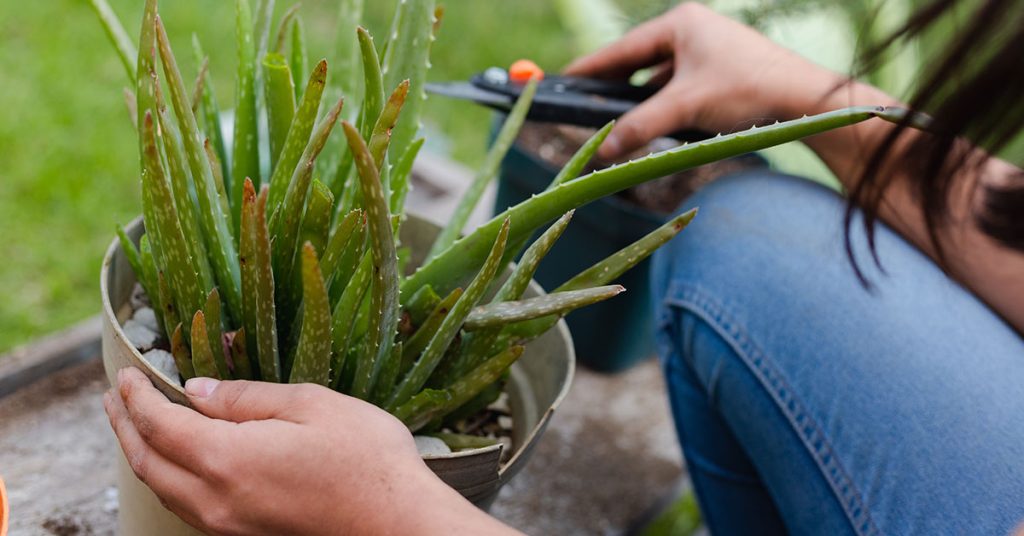
Regular pruning and maintenance are essential for maximizing light exposure and ensuring your indoor plants remain healthy during the winter months. Pruning helps remove dead or yellowing leaves, allowing more light to reach the healthier parts of the plant. It also encourages new growth, keeping your plants vibrant and full. I always make sure to give my plants a good trim every few weeks—it’s so rewarding to see them perk up and thrive after a bit of attention!
In addition to pruning, maintaining clean leaves is crucial for optimal light absorption. Dust and grime can block light, so gently wiping your plants with a damp cloth helps keep their leaves clean and efficient at photosynthesis. This simple maintenance routine not only enhances the appearance of your plants but also boosts their ability to harness natural light. Plants like Spider Plants and Peace Lilies particularly benefit from regular cleaning and pruning, ensuring they stay lush and healthy throughout the winter. By staying on top of maintenance, you can create an indoor garden that remains bright, beautiful, and resilient against the challenges of the winter season!
Using Transparent Plant Containers to Enhance Light Flow
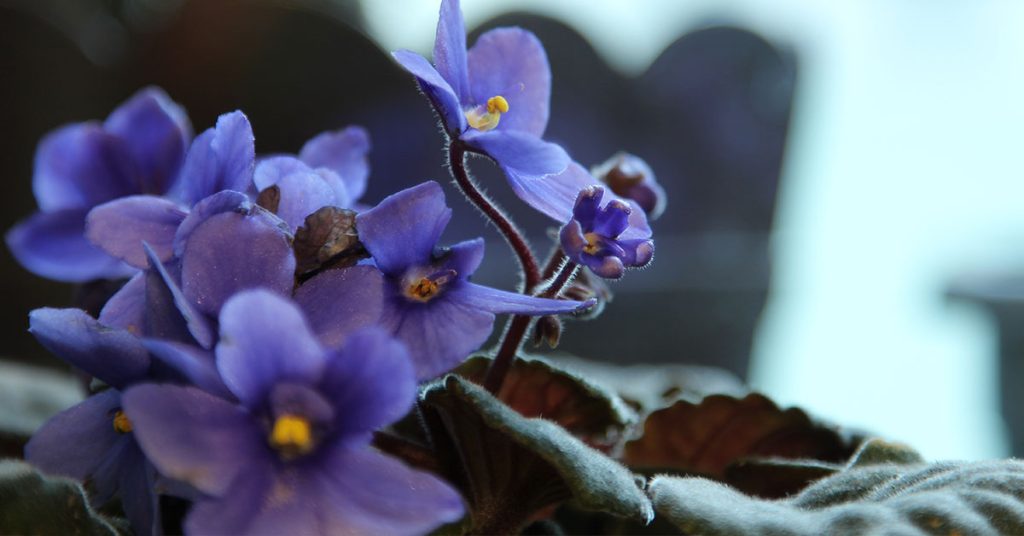
Choosing the right containers for your indoor plants can significantly impact how much light they receive. Transparent plant containers, such as glass terrariums or clear plastic pots, allow light to pass through from all sides, ensuring your plants receive consistent illumination. This is especially beneficial for plants like African Violets (Saintpaulia), native to East Africa, which thrive in bright, indirect light. These violets are not invasive and add a splash of color to your indoor garden with their beautiful, delicate flowers!
Transparent containers also create a stunning visual effect, showcasing the roots and soil, which can add an interesting aesthetic to your indoor space. They allow you to monitor the moisture levels and root health of your plants more easily, helping you maintain the optimal conditions for growth. Additionally, clear containers can be placed in areas with limited light, as they help distribute the available light more evenly around the plant. I adore using transparent containers because they not only enhance light flow but also add a touch of elegance and sophistication to my indoor garden setup!
Integrating Light-Colored Rugs and Flooring to Reflect Sunlight

The color of your flooring and rugs can influence the overall brightness of your indoor gardening space. Light-colored rugs and flooring reflect more sunlight, creating a brighter environment that benefits your plants. Whites, creams, and light pastels are excellent choices for maximizing light reflection, making your indoor garden feel more spacious and luminous. I find that a light-colored rug not only brightens up the room but also complements the greenery of my plants, creating a harmonious and inviting atmosphere!
In addition to enhancing light reflection, light-colored flooring can make it easier to see your plants’ health and growth patterns. You can quickly spot any issues, such as discoloration or pests, when the background is bright and clear. This proactive approach allows you to address problems before they become serious, ensuring your indoor garden remains healthy and vibrant throughout the winter. By choosing light-colored rugs and flooring, you can create a well-lit, cheerful space that supports the growth and well-being of your indoor plants. It’s a simple yet effective way to boost the natural light in your home and keep your garden thriving all season long!
Creating a Light-Focused Plant Layout
Designing a layout that focuses light on your plants can enhance their growth and ensure they receive adequate illumination. Arrange your plants in a way that maximizes their exposure to natural light sources, such as placing taller plants near windows and smaller ones in front. This strategic arrangement helps prevent shading and ensures each plant gets the light it needs. I love experimenting with different layouts to see how the light interacts with my plants, creating dynamic and ever-changing displays!
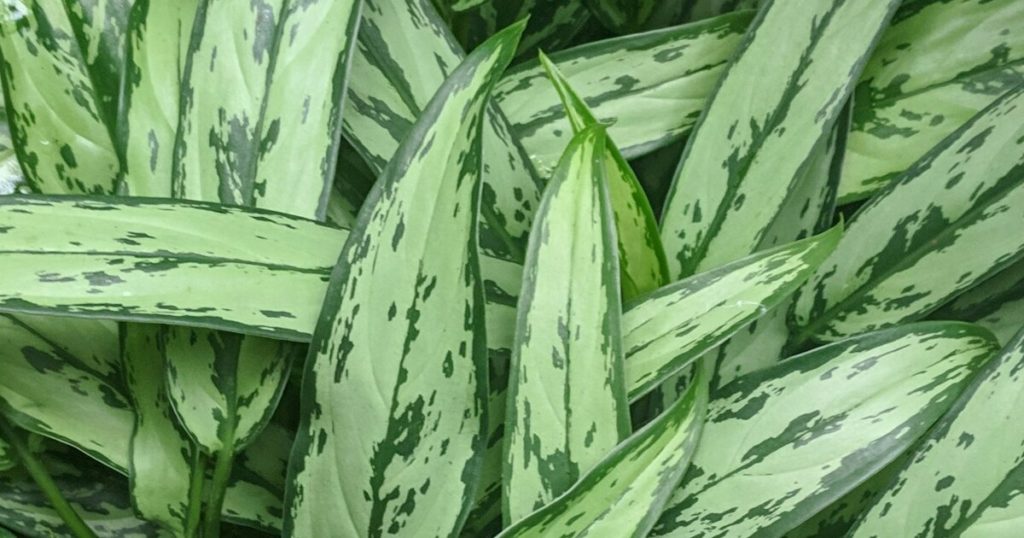
Another effective layout technique is to cluster plants with similar light requirements together. This makes it easier to manage their light exposure and ensures a harmonious environment for their growth. For instance, grouping low-light tolerant plants like Chinese Evergreen (Aglaonema), native to tropical Asia, with other shade-loving varieties creates a cohesive and thriving indoor garden. These plants are not invasive and are known for their striking foliage, adding both beauty and functionality to your light-focused layout. By thoughtfully designing your plant layout, you can create a space where natural light is optimized, and your indoor garden flourishes even during the darkest winter months!
Utilizing Plants Native to Low-Light Environments
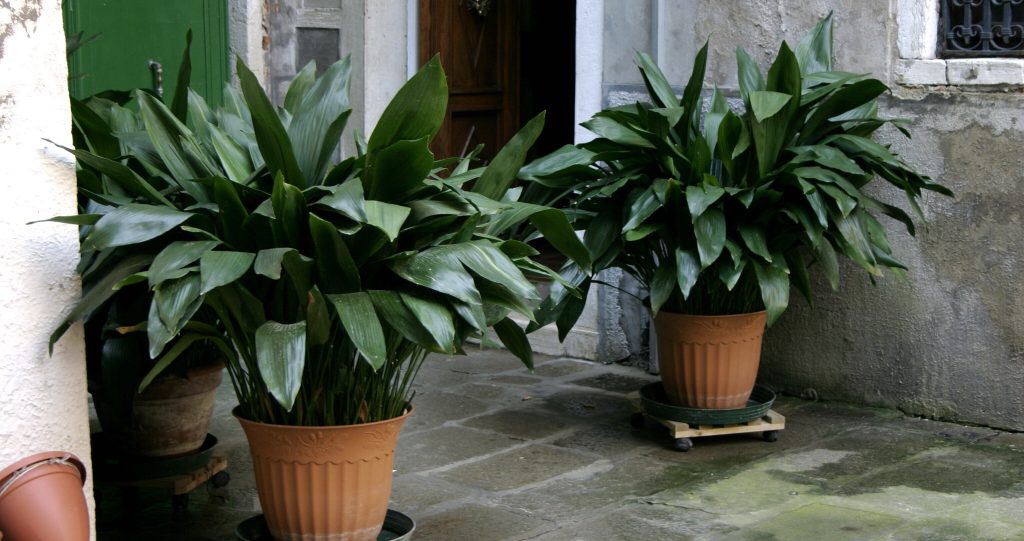
Choosing plants native to low-light environments can significantly enhance the success of your winter indoor garden. These plants are naturally adapted to thrive in environments with limited sunlight, making them perfect for indoor settings during the winter months. For example, the Cast Iron Plant (Aspidistra elatior), native to the shaded understories of East Asian forests, is incredibly hardy and can withstand low light and neglect. Its dark green, glossy leaves add a touch of elegance to any indoor space without being invasive.
Another fantastic option is the Peace Lily (Spathiphyllum), native to the tropical regions of the Americas. Peace Lilies are not only beautiful with their graceful white flowers but also excellent at improving indoor air quality. They thrive in indirect light and can bloom even in lower light conditions, making them ideal for winter indoor gardens. By selecting plants that are naturally adapted to low-light environments, you can create a resilient and thriving indoor garden that remains vibrant and healthy throughout the winter season. These plants are perfect for anyone looking to maintain a lush green space without the hassle of high-light maintenance!
Enhancing Light with Light Tubes and Skylights

Incorporating light tubes and skylights into your home can dramatically increase the natural light available to your indoor garden. Light tubes, also known as solar tubes, capture sunlight from the roof and channel it directly into your rooms, providing a steady stream of natural light throughout the day. This additional light source is perfect for supplementing the existing daylight, especially during the short winter months. Skylights, on the other hand, offer an abundance of natural light and can transform any indoor space into a bright and airy garden haven. I’ve always admired how skylights can flood a room with sunlight, creating a perfect environment for my indoor plants to thrive!
These architectural features not only enhance the light in your indoor garden but also contribute to the overall aesthetic of your home. Light tubes and skylights create beautiful patterns of light and shadow, adding depth and interest to your indoor gardening space. They also help reduce the need for artificial lighting, making your indoor garden more energy-efficient and environmentally friendly. By investing in light tubes or skylights, you can ensure your indoor garden receives the natural light it needs to stay healthy and vibrant, even during the darkest winter days. It’s a brilliant way to bring more light into your home and support the growth of your cherished indoor plants!
Incorporating Plants with Reflective Leaves
Choosing plants with naturally reflective leaves can enhance the light distribution in your indoor garden. Plants like the Silver Queen Pothos (Epipremnum aureum ‘Silver Queen’), native to Southeast Asia, have variegated leaves with silvery patterns that reflect light, brightening up any room. These plants are not only beautiful but also non-invasive, making them perfect for indoor environments. The reflective leaves help scatter light around the room, providing more even illumination for all your plants!
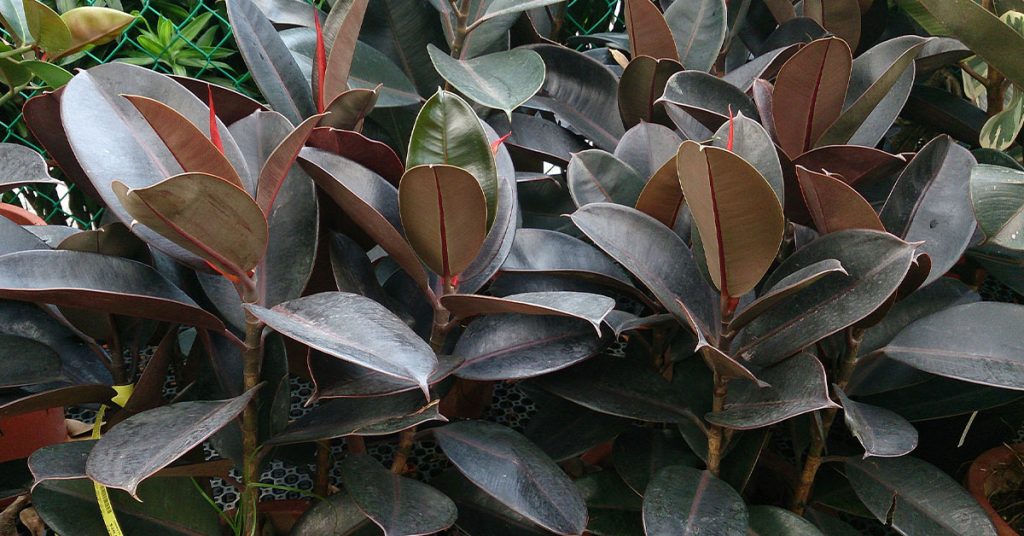
Another great option is the Rubber Plant (Ficus elastica), native to the rainforests of eastern India. Its glossy, dark green leaves have a natural sheen that helps bounce light, enhancing the overall brightness of your indoor garden. The Rubber Plant is a fantastic choice for adding height and structure to your garden while also contributing to light reflection. By selecting plants with reflective foliage, you can create a more luminous and lively indoor garden, ensuring that each plant receives the light it needs to thrive during the winter months!
Leveraging Plant Mirrors for Enhanced Growth

Plant mirrors are specialized mirrors designed to reflect light directly onto your plants, boosting their growth and ensuring they receive adequate illumination. These mirrors can be strategically placed around your indoor garden to maximize light exposure, especially for plants that require more light during the winter months. I’ve found that using plant mirrors not only enhances light distribution but also creates a visually stunning effect, making your indoor garden look even more vibrant and lush!
Additionally, plant mirrors can help regulate the temperature around your plants by reflecting heat from sunlight, creating a more stable environment. This is particularly beneficial for tropical plants like the Bird of Paradise (Strelitzia reginae), native to South Africa. Bird of Paradise plants are known for their striking flowers and large, banana-like leaves, and they thrive in bright, reflective light. By incorporating plant mirrors into your indoor gardening setup, you can create an optimal growing environment that supports the health and beauty of your plants, ensuring your winter indoor garden remains a thriving oasis!