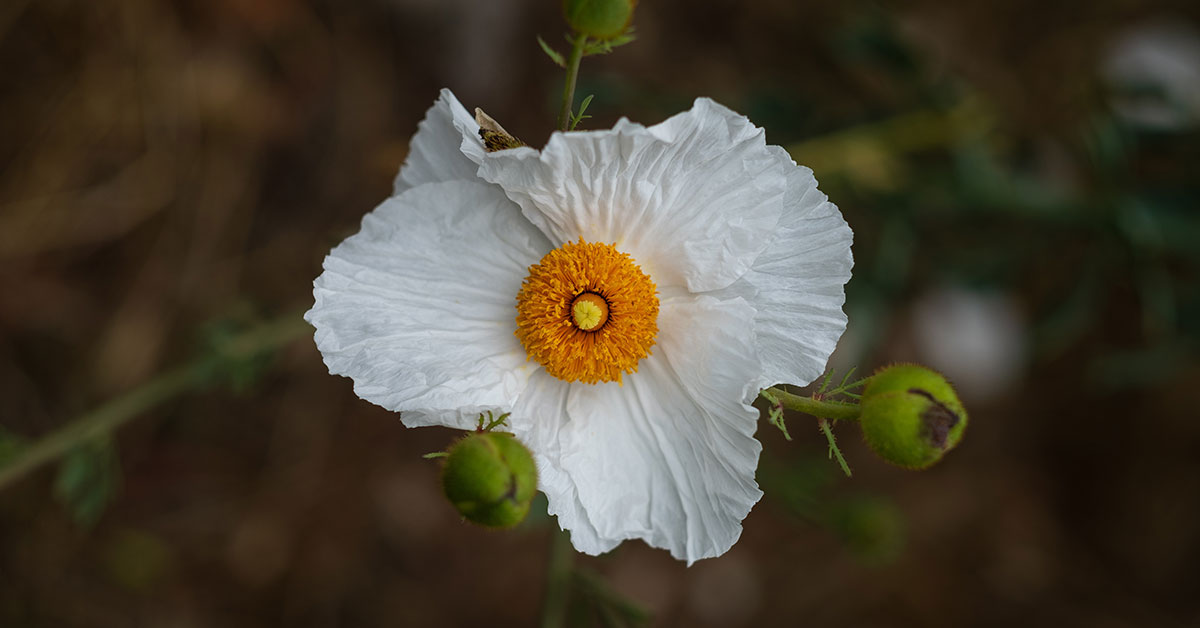

The Matilija Poppy, also known as the Romneya coulteri, is a stunningly beautiful perennial plant native to Southern California. With its large, showy white flowers and bright green foliage, it is a popular choice for gardeners and landscapers alike.
The Matilija Poppy has a rich history, both in its native range and beyond, and is known for its unique characteristics and cultural significance. In this article, we’ll explore the beauty and wonder of the Matilija Poppy and delve into its fascinating history and uses.
What is a Matilija Poppy?
The Matilija Poppy is a beautiful and unique plant native to California and the Baja region of Mexico. It is also known as the fried egg flower due to its large, white, and crinkled petals surrounding a bright yellow center that resembles a fried egg.
This perennial plant belongs to the poppy family and is one of the largest and showiest of all native California plants. It can grow up to 8 feet tall and 6 feet wide, with large, silvery-green leaves that add to its stunning appearance.
The Matilija Poppy is a sun-loving plant that requires well-draining soil and little water once established. It blooms from late spring to early summer, producing numerous flowers that can last for several weeks. The flowers are not only beautiful but also fragrant, attracting bees and butterflies to the garden.
Despite its beauty, the Matilija Poppy can be challenging to grow due to its specific growing conditions. However, with proper care and maintenance, this plant can thrive in the right environment and add a stunning touch to any garden or landscape.
Where is Matilija Poppy native?
Matilija Poppy (Romneya coulteri) is a beautiful and unique plant that is native to California. Specifically, it is found in Southern California and Baja California in Mexico. In the United States, Matilija Poppy is primarily found in California, with some populations extending into Arizona and Nevada.
The plant is commonly referred to as the “fried egg plant” due to its large, white flowers with bright yellow centers, which resemble fried eggs. It is a member of the poppy family and is known for its striking appearance and hardiness.
Matilija Poppy is a sun-loving plant that prefers well-draining soil. It is often found growing in dry, rocky areas, along hillsides, and in coastal regions. While it can tolerate some moisture, the plant is drought-tolerant and can survive in harsh conditions.
It is a unique and special plant that is native to Southern California and surrounding areas. It is a symbol of the region’s natural beauty and resilience and is beloved by many Californians for its striking appearance and adaptability.
How to start from seed
While it can be a bit challenging, with the right preparation and patience, you can successfully grow this stunning plant from seed. Here’s what you need to know:
- Collecting Seeds – The first step in growing Matilija Poppy from seed is to collect seeds. The best time to do this is in the fall after the plant has finished flowering and seed pods have formed. Look for pods that have turned brown and feel dry to the touch. Then, carefully collect the pods and store them in a dry, cool place until you’re ready to plant.
- Preparing Soil – Matilija Poppy prefers well-draining, sandy soil. If your soil is heavy, add some sand or perlite to improve drainage. You can also amend the soil with compost or well-rotted manure to provide nutrients.
- Sowing Seeds – When you’re ready to sow the seeds, scarify them by rubbing them gently with sandpaper or a file. This will help to break down the hard seed coat and improve germination. Then, soak the seeds in water overnight to further soften the seed coat.
- Planting Seeds – Choose a sunny location for planting. Scatter the seeds on the soil surface, then cover with a thin layer of sand or vermiculite. Water gently to settle the soil and keep moist until the seeds germinate.
- Care and Maintenance – Matilija Poppy seeds can take up to a month or more to germinate. Once they do, thin out the seedlings so that they are spaced about 2 feet apart. Water regularly, but avoid overwatering as the plant is drought-tolerant. Fertilize occasionally with a balanced fertilizer.
How to Grow
Matilija Poppy is a stunningly beautiful plant that can add a touch of elegance to any garden. Here are some tips on how to grow this plant:
- Choose the Right Location: Matilija Poppy thrives in full sun and well-draining soil. Before planting, make sure that the location you choose receives at least 6-8 hours of sunlight each day.
- Plant in Spring: Spring is the best time to plant Matilija Poppy. You can also plant it in the fall, but make sure to do so at least six weeks before the first frost.
- Prepare the Soil: Matilija Poppy prefers well-draining soil. If your soil is heavy, mix in sand or perlite to improve drainage.
- Watering: Matilija Poppy is drought-tolerant, but it still needs regular watering during the first year of growth. Once established, it can thrive on rainfall alone.
- Fertilizing: It does not require much fertilizer. A light application of compost or slow-release fertilizer in the spring is enough to keep it healthy.
- Pruning: This plant grows quickly and can become invasive if not pruned regularly. Remove any dead or damaged branches and cut back the plant by about a third after it has finished blooming.
Interesting facts about Matilija Poppy
Matilija Poppy is a stunningly beautiful plant that is native to California and parts of Mexico. Here are some interesting facts about this fascinating flower:
- The Matilija Poppy is also known as the “fried egg flower” due to its large, white petals and bright yellow center that resembles a sunny-side-up egg.
- The plant can grow up to 8 feet tall and 10 feet wide, making it an impressive addition to any garden or landscape.
- The Matilija Poppy is a perennial plant that blooms from late spring to early summer, producing large, showy flowers that can last up to three weeks.
- This plant is drought-tolerant and can survive in hot, arid conditions, making it an ideal choice for gardens in regions with limited rainfall.
- This plant has a long history of medicinal use by Native American tribes, who used it to treat a variety of ailments including headaches, coughs, and skin conditions.
- The plant is also used in traditional Mexican medicine to treat digestive issues and respiratory problems.
- It is known for its strong, sweet fragrance, which is most pronounced in the early morning and evening hours.
- The plant is a favorite of bees and other pollinators, making it an important contributor to local ecosystems.
- In addition to its beauty and medicinal properties, the Matilija Poppy has also been used for decorative purposes, with its large, white petals often being used in floral arrangements and wedding bouquets.
- Despite its many positive qualities, the Matilija Poppy can be a challenging plant to grow, requiring well-draining soil and careful attention to watering and fertilization. However, for those who are willing to put in the effort, the rewards of growing this stunning flower are well worth it.