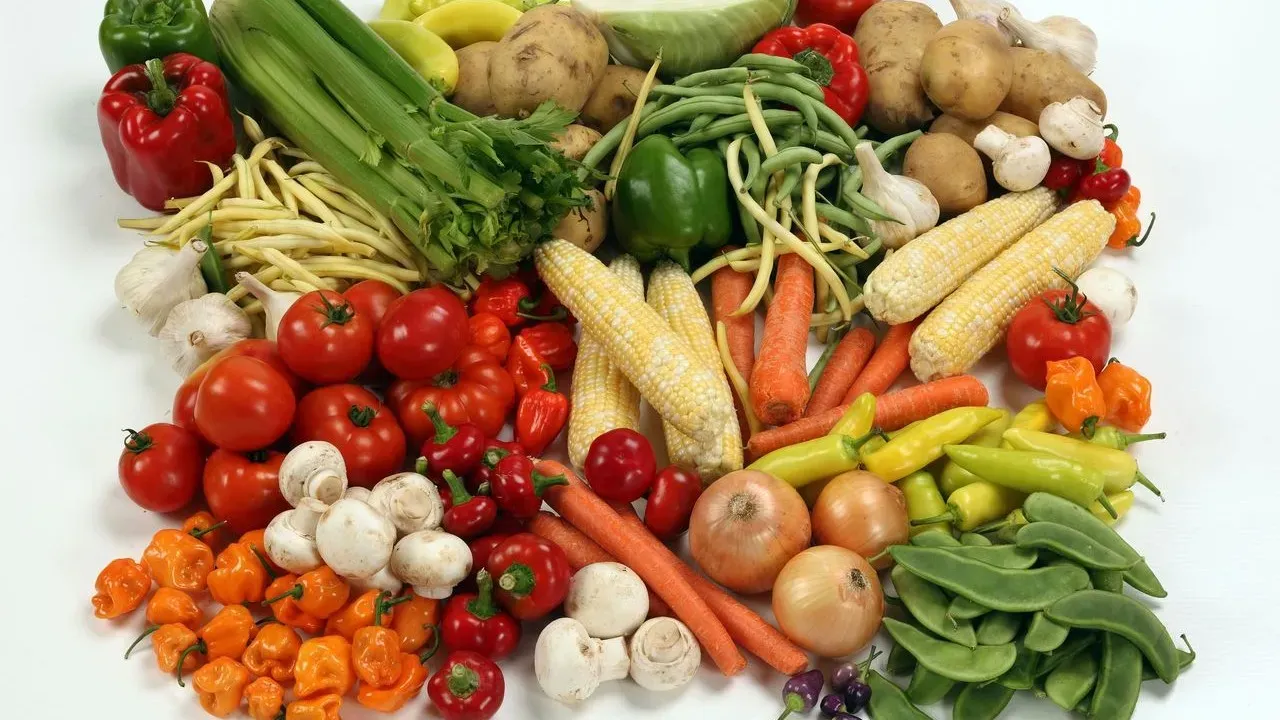

Community supported agriculture shares deliver a steady stream of seasonal vegetables straight from local farms. For many subscribers, the weekly box brings both excitement and uncertainty about how to handle unfamiliar or abundant produce before it spoils. Linda Ly, founder of Garden Betty and author of the book that started as The CSA Cookbook, has spent years addressing exactly this challenge through practical, flexible approaches rather than rigid meal plans.
Understanding the CSA Surprise
CSA programs operate on a simple exchange. Members pay upfront for a share of the harvest, giving farmers working capital while receiving whatever ripens that week. This model supports sustainable local agriculture and provides peak-quality produce, yet it often leaves households facing greens, roots, or shoots they have never cooked before.
The result is a common cycle of good intentions followed by waste. Ly developed her methods after years of reader questions about mystery vegetables, turning the unpredictability into an opportunity for creative, low-effort cooking that uses what arrives without advance planning.
Handling Different Greens Effectively
Tough greens such as collards, kale, and turnip tops respond well to slow cooking in liquid. A basic braise softens fibrous leaves while highlighting their natural sweetness, and the same pan can incorporate onions, garlic, and a splash of broth or wine for flavor.
Tender young greens, including baby chard or radish tops, work best raw in salads. Milder varieties like pea shoots can also form the base of a quick pesto using available nuts and hard cheese. When greens arrive wilted, a simple soak in cold water restores crispness within half an hour, extending usability without heat.
Transforming Roots and Mixed Vegetables
Root vegetables gain sweetness and tenderness through roasting. Carrots, beets, radishes, and less common varieties like celeriac or parsnips all benefit from the same process of chopping, oiling, and baking at moderate oven temperatures until browned and fork-tender.
Almost any vegetable can become a gratin. Layering sliced or chopped produce with cheese and breadcrumbs, then baking with a modest amount of liquid, creates a cohesive dish that works equally well for potatoes, zucchini, broccoli, or fennel. The technique turns excess into a single satisfying side or main course.
Turning Surplus Into Soup
When the box contains more vegetables than immediate plans allow, soup offers a flexible solution. A basic formula starts with browned protein and aromatics, followed by chopped vegetables, broth, and seasonings. Small pasta or rice can stretch the pot further, while a dash of soy sauce or vinegar balances flavor.
This approach accommodates whatever arrives, whether familiar carrots or unusual kohlrabi. It also reduces daily cooking pressure by producing meals that reheat easily throughout the week.
Building Long-Term Habits
Ly’s later book, The No-Waste Vegetable Cookbook, expands these ideas to cover storage, unusual plant parts, and combinations such as custom pestos or stocks. The core principle remains consistent: treat the CSA box as an invitation to adapt rather than a problem to solve with new recipes each week.
Subscribers who adopt these straightforward techniques report less waste and greater enjoyment of their shares. Over time, the weekly delivery shifts from a source of stress to a reliable foundation for varied, seasonal meals that honor the farmer’s work and the food itself.
AI Disclaimer: This article was created with the assistance of AI tools and reviewed by a human editor.