
Welcome to a comprehensive guide on growing and caring for the Marketmore cucumber, a highly sought-after variety among gardeners and cucumber enthusiasts. Known for its exceptional flavor, crisp texture, and disease resistance, the Marketmore cucumber is a popular choice for both home gardens and commercial production.
Whether you are a seasoned gardener or a beginner looking to add a refreshing and versatile vegetable to your garden, this article will provide you with all the information you need to successfully cultivate and enjoy the bountiful harvests of the Marketmore cucumber.
From understanding its origins and characteristics to learning the best practices for planting, watering, fertilizing, and pest management, you will gain valuable insights and tips to ensure a thriving cucumber garden. So, let’s dive in and explore the world of Marketmore cucumbers, and get ready to savor the delights of this beloved cucumber variety.
What is a Marketmore Cucumber?
The Marketmore cucumber is a popular variety of cucumber that is widely grown in home gardens and also commercially. It is known for its crisp and refreshing taste, making it a favorite among cucumber enthusiasts.
The Marketmore cucumber has a dark green skin that is slightly bumpy, with small white spines. The skin is thin and tender, making it perfect for eating raw in salads or sandwiches. It also has a juicy and crunchy texture, adding a delightful freshness to any dish. This variety of cucumber is typically cylindrical in shape, growing to a length of around 8-10 inches (20-25 cm) when mature.
It is known for its high yield, producing numerous fruits per plant throughout the growing season. Marketmore cucumbers are generally easy to grow, making them suitable for gardeners of all levels of experience. They thrive in well-drained soil with regular watering and plenty of sunlight. They can be grown both in traditional garden beds as well as in containers, making them a versatile choice for small spaces.
One of the advantages of the Marketmore cucumber is its resistance to many common cucumber diseases, such as powdery mildew and cucumber mosaic virus. This makes it a reliable choice for gardeners looking for a low-maintenance cucumber variety.
Whether you enjoy them fresh in salads, pickled, or used in various culinary creations, the Marketmore cucumber is a delicious and versatile addition to any garden. Its crisp texture, refreshing taste, and disease resistance make it a popular choice among both amateur and experienced gardeners alike.
What does Marketmore Cucumber taste like?
The Marketmore cucumber is known for its fresh and crisp taste. It has a mildly sweet and refreshing flavor with a hint of bitterness. The flesh of the cucumber is tender and moist, providing a satisfying crunch when bitten into. It is not overly watery, which makes it perfect for salads or eating on its own. The flavor is delicate and pleasant, making it a popular choice for culinary use. Whether sliced into salads, pickled, or simply enjoyed as a snack, the Marketmore cucumber offers a delightful combination of sweetness and crispness that is sure to please any cucumber lover.
How to start Marketmore Cucumber from seed
Starting Marketmore cucumbers from seeds is a relatively simple process. Here is a step-by-step guide to help you get started:
- Selecting seeds: Look for high-quality Marketmore cucumber seeds from a reputable seed supplier or garden center. Make sure the seeds are fresh and haven’t passed their expiration date.
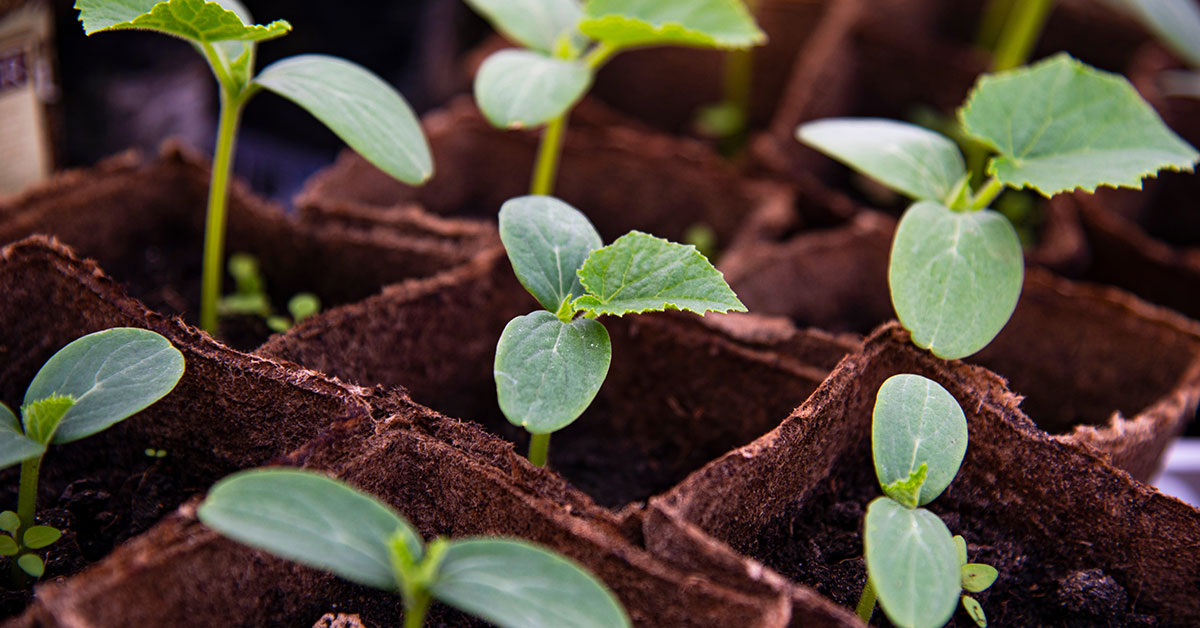
- Preparing containers: Choose small biodegradable pots or seed trays with drainage holes at the bottom. Fill them with a good quality seed starting mix or a mixture of potting soil and compost.
- Sowing seeds: Make small holes in the soil about 1/2 inch deep, spaced around 2 inches apart. Place one or two cucumber seeds in each hole and cover them lightly with soil. Water gently to ensure the soil is evenly moist.
- Providing the right environment: Cucumber seeds require warm temperatures to germinate. Place the containers in a warm location with temperatures around 70-85°F (21-29°C). You can use a heating mat to maintain the warmth if needed.
- Providing light: Cucumber seeds need plenty of sunlight or artificial light to grow. Place the containers in a bright location, or use fluorescent grow lights if natural light is insufficient. Aim for around 12-16 hours of light per day.
- Watering: Keep the soil consistently moist but not waterlogged. Avoid overwatering, as it can cause the seeds to rot. Water the containers from the bottom by placing them in a tray of water and allowing the soil to soak up moisture.
- Thinning seedlings: Once the seedlings have grown to a few inches tall and have developed their first true leaves, it’s time to thin them out. Remove the weaker or slower-growing seedlings, leaving only the strongest one in each pot or spacing them around 12 inches apart if using a seed tray.
- Transplanting: When the seedlings have grown a few more leaves and the weather has warmed up, they can be transplanted outdoors. Choose a sunny location in your garden with well-draining soil. Harden off the seedlings by gradually exposing them to outdoor conditions over the course of a week before transplanting.
- Planting outdoors: Dig holes in the garden soil around 12 inches apart and deep enough to accommodate the root ball of each seedling. Gently place the seedlings into the holes and cover the roots with soil. Water thoroughly after planting.
- Providing support: Marketmore cucumbers are vining plants that benefit from trellising or support. Install a trellis or set up stakes and string to help the vines grow vertically, saving space and allowing for better air circulation.
- Care and maintenance: Regularly water the cucumber plants, providing about 1 inch of water per week. Mulching around the base of the plants can help conserve moisture and suppress weeds. Monitor for pests and diseases, and address any issues promptly. Additionally, consider fertilizing every few weeks with a balanced fertilizer.
- Harvesting: Marketmore cucumbers typically mature in about 60-70 days after planting. Harvest when the cucumbers reach the desired size, usually around 6-10 inches long. Cut the cucumbers off the vine with a sharp knife or pruning shears, being careful not to damage the plant.
Remember to follow the specific instructions provided with the cucumber seed packet, as there may be slight variations in the process depending on the variety and region. Happy gardening!
Planting and growing Marketmore Cucumber
Here are the steps for planting and growing Marketmore Cucumbers:
- Choose the right location: Select a sunny spot in your garden that receives at least 6-8 hours of direct sunlight each day. Cucumbers thrive in well-draining soil with a pH level of 6.0-7.0.
- Prepare the soil: Work the soil to a depth of 12-18 inches, removing any weeds, rocks, or debris. Incorporate organic matter, such as compost or well-rotted manure, to improve the soil’s fertility and drainage.
- Start seeds indoors (optional): Marketmore Cucumbers can be started indoors about 3-4 weeks before the last frost date in your area. Sow the seeds in seed trays or individual pots filled with seed starting mix. Keep the soil consistently moist and provide warmth and light until the seedlings emerge.
- Direct sowing: If you prefer, you can sow cucumber seeds directly in the garden once the soil has warmed up to around 60°F (15°C). Plant the seeds 1 inch deep and 12-18 inches apart in rows that are 4-6 feet apart. Place 2-3 seeds per hole and thin out the weakest seedlings later.
- Provide support: Marketmore Cucumbers are vining plants and benefit from trellising or support. Install a trellis, fence, or stakes near the planting area to allow the cucumber vines to climb.
- Watering: Cucumbers require consistent moisture, especially during hot weather. Water deeply but avoid overwatering to prevent root rot. Aim to keep the soil evenly moist, especially during flowering and fruiting periods.
- Fertilizing: Cucumbers are heavy feeders, so it’s important to provide them with regular fertilization. Apply a balanced, slow-release fertilizer or compost at planting time. Additionally, side-dress the plants with a nitrogen-rich fertilizer every 3-4 weeks during the growing season.
- Mulching: Apply a layer of organic mulch, such as straw or wood chips, around the cucumber plants. Mulching helps conserve moisture, suppress weeds, and maintain a more even soil temperature.
- Pest and disease control: Monitor your plants regularly for any signs of pests, such as cucumber beetles or aphids, and promptly take appropriate measures to control them. Fungal diseases like powdery mildew can also affect cucumbers, so ensure good air circulation and avoid overhead watering.
- Harvesting: Marketmore Cucumbers are typically ready for harvest within 55-65 days after planting. Harvest the cucumbers when they reach the desired size, usually around 6-8 inches long. Regularly harvesting cucumbers encourages more production.
By following these steps, you should be able to successfully grow Marketmore Cucumbers and enjoy a bountiful harvest. Happy gardening!
When to harvest Marketmore Cucumber
The best time to harvest Marketmore cucumbers is when they have reached their mature size and have a deep green color. Typically, this is around 50-60 days after planting. It’s important to regularly check your plants for mature cucumbers, as they can quickly become overripe and lose their crispness if left on the vine for too long. Harvesting them when they are around 6-8 inches in length will ensure a good balance of flavor and texture.