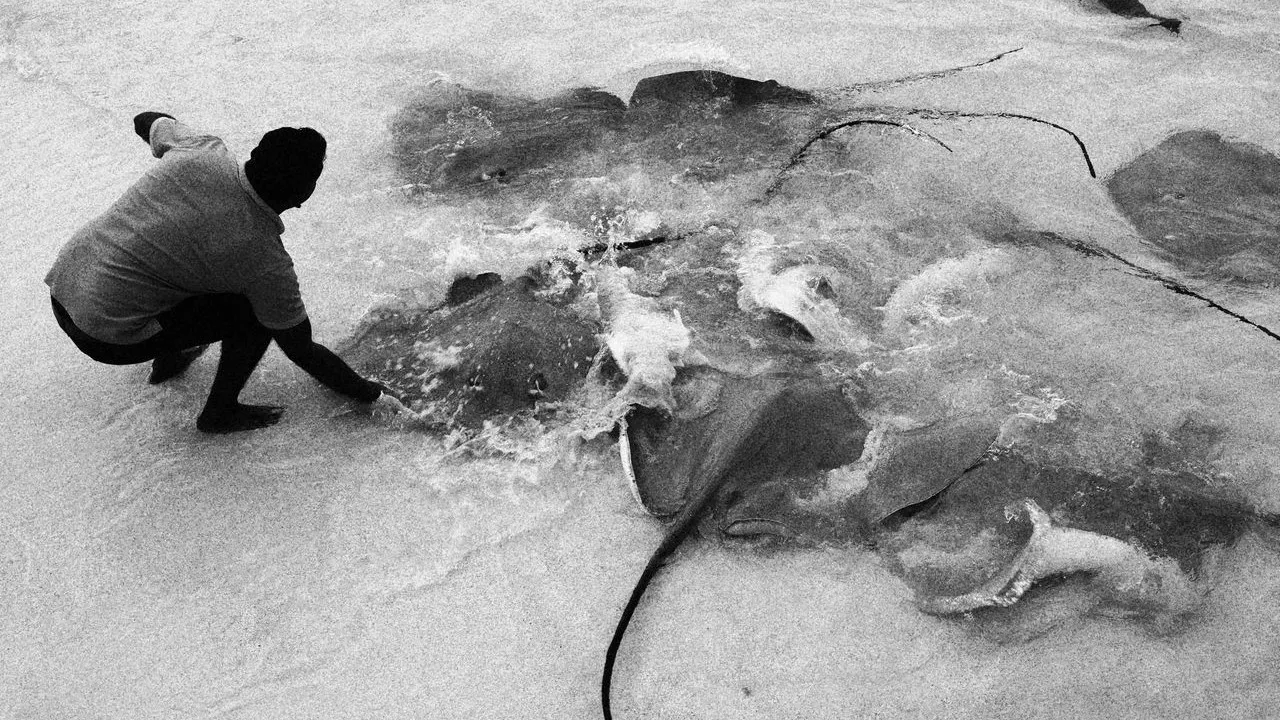

Southern California beachgoers are noticing a clear change in the water this season. A marine heat wave has drawn stingrays nearer to shore, leading to more frequent encounters and painful lashings for those wading or swimming. The shift reflects how warmer coastal conditions are altering typical marine patterns and affecting everyday outdoor activities along the coast.
The Role of Warming Coastal Waters
Marine heat waves occur when ocean temperatures rise well above seasonal norms for extended periods. Off Southern California, these conditions have encouraged stingrays to move into shallower areas where they usually appear less often. The warmer water appears to concentrate their presence near popular beaches, creating new challenges for visitors who enter the surf.
Beach activities remain popular despite the change. People continue to enjoy the coastline, yet the increased proximity of stingrays means greater awareness is required. This environmental response to elevated temperatures shows how ocean conditions directly influence wildlife distribution in ways that reach the shoreline.
Rising Encounters and Their Impact
Reports indicate that stingray lashings have become more common as the animals settle closer to shore. The stingrays typically bury themselves in the sand, and unsuspecting beachgoers step on them, triggering a defensive reaction. Each incident delivers a sharp sting that can cause immediate pain and require medical attention in some cases.
The trend has prompted local beach users to adjust their routines. Many now shuffle their feet when entering the water, a simple technique that helps alert stingrays to move away. Such adaptations highlight the practical effects of the heat wave on daily beach experiences without diminishing the appeal of coastal recreation.
Practical Steps for Beach Visitors
Staying informed about current water conditions helps reduce surprises. Local lifeguards and beach reports often note when stingray activity increases, allowing visitors to plan accordingly. Simple precautions can make a meaningful difference during periods of elevated marine temperatures.
- Shuffle feet slowly when walking in shallow water to give stingrays time to retreat.
- Check recent beach advisories before heading out, especially during warmer months.
- Wear water shoes or protective footwear in areas known for higher stingray presence.
- Seek first aid promptly if a sting occurs, as soaking the area in hot water can ease discomfort.
Looking Ahead Along the Coast
The current marine heat wave underscores the connection between ocean temperatures and nearshore wildlife behavior. As conditions evolve, beachgoers may continue to see shifts in marine life patterns that affect how they enjoy the shoreline. Awareness and basic safety measures remain the most effective responses to these changes.
Coastal communities continue to monitor the situation closely. The focus stays on maintaining safe access to beaches while recognizing the natural forces at play in the water.
AI Disclaimer: This article was created with the assistance of AI tools and reviewed by a human editor.