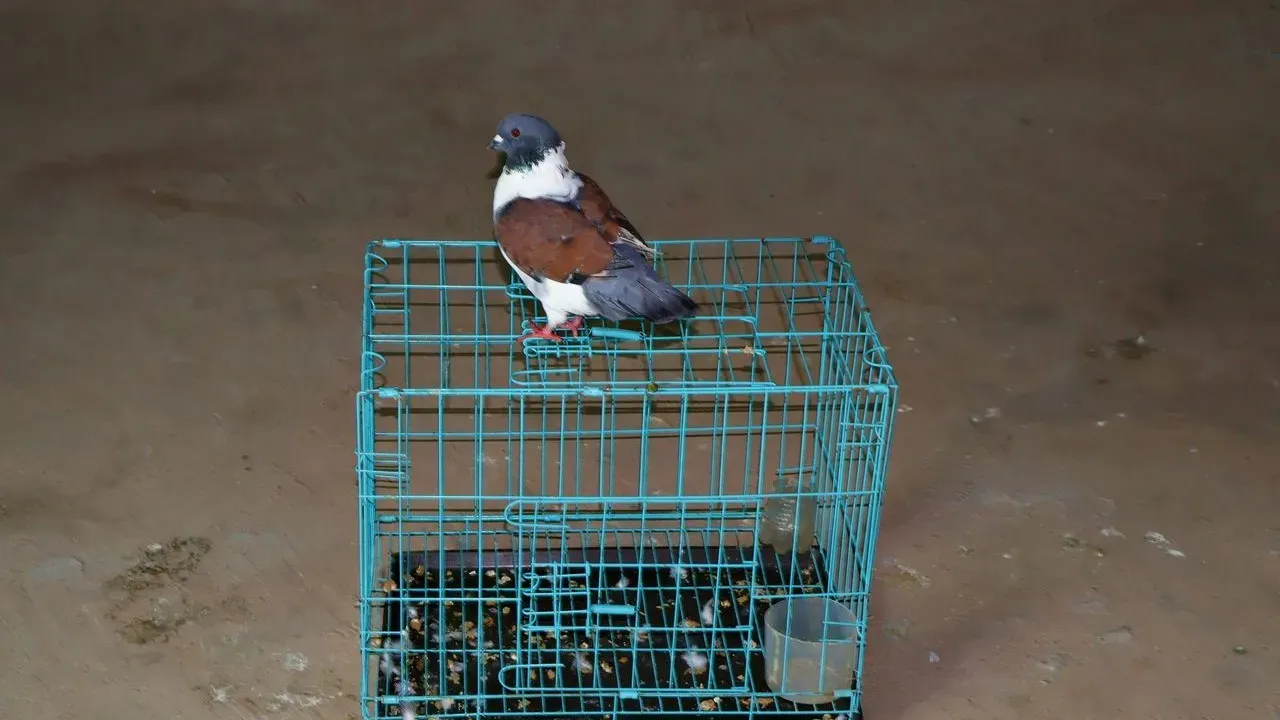

Federal prosecutors have charged a man with attempting to smuggle 10 live birds out of Cuba by concealing them in plastic tubes sewn into his underwear. The discovery occurred during an inspection at a U.S. airport, where officials found the birds hidden in a manner designed to evade detection. The case highlights ongoing efforts to curb illegal wildlife trafficking across international borders. ([1])
Details of the Alleged Smuggling Attempt
Investigators reported that the birds were discovered after the man was stopped for further screening upon arrival. Each bird had been placed inside a plastic tube that was then sewn into the fabric of his underwear, according to court documents. Prosecutors described the concealment method as deliberate and calculated to avoid standard security checks. The birds were reportedly alive at the time of the seizure, though their exact condition afterward was not detailed in initial statements. The arrest followed routine procedures at the airport, where customs and border officials routinely examine passengers arriving from high-risk regions for prohibited items. Cuba has long been a source of concern for wildlife enforcement agencies due to its unique bird species and strict export controls. The man now faces federal charges related to the alleged smuggling operation.
How Officials Uncovered the Hidden Birds
Screening agents grew suspicious during a standard secondary inspection and conducted a more thorough search of the passenger. The plastic tubes became visible once the underwear was examined, revealing the birds packed tightly inside. Prosecutors noted that the method required significant preparation, suggesting the attempt was not spontaneous. Such concealment tactics are uncommon but not unheard of in wildlife smuggling cases, where traffickers seek creative ways to bypass detection equipment and trained animals used by authorities. The discovery prompted immediate involvement from specialized investigators who documented the evidence for prosecution. No additional contraband was reported in connection with the arrest.
Legal Consequences and Wildlife Protection Efforts
The case is being handled by federal prosecutors who emphasized the seriousness of illegal animal trafficking. Penalties for such offenses can include fines, imprisonment, and forfeiture of any seized wildlife. Authorities continue to stress that even small numbers of smuggled animals can disrupt ecosystems and fuel black-market demand. Enforcement agencies routinely collaborate with international partners to monitor routes commonly used for bird trafficking. The alleged attempt from Cuba fits a pattern of cases involving protected species being moved without proper permits. Prosecutors have indicated that the investigation remains active as they gather additional evidence. The incident serves as a reminder of the challenges faced by border officials tasked with protecting both public safety and biodiversity. Cases like this one underscore the need for continued vigilance at ports of entry.
AI Disclaimer: This article was created with the assistance of AI tools and reviewed by a human editor.