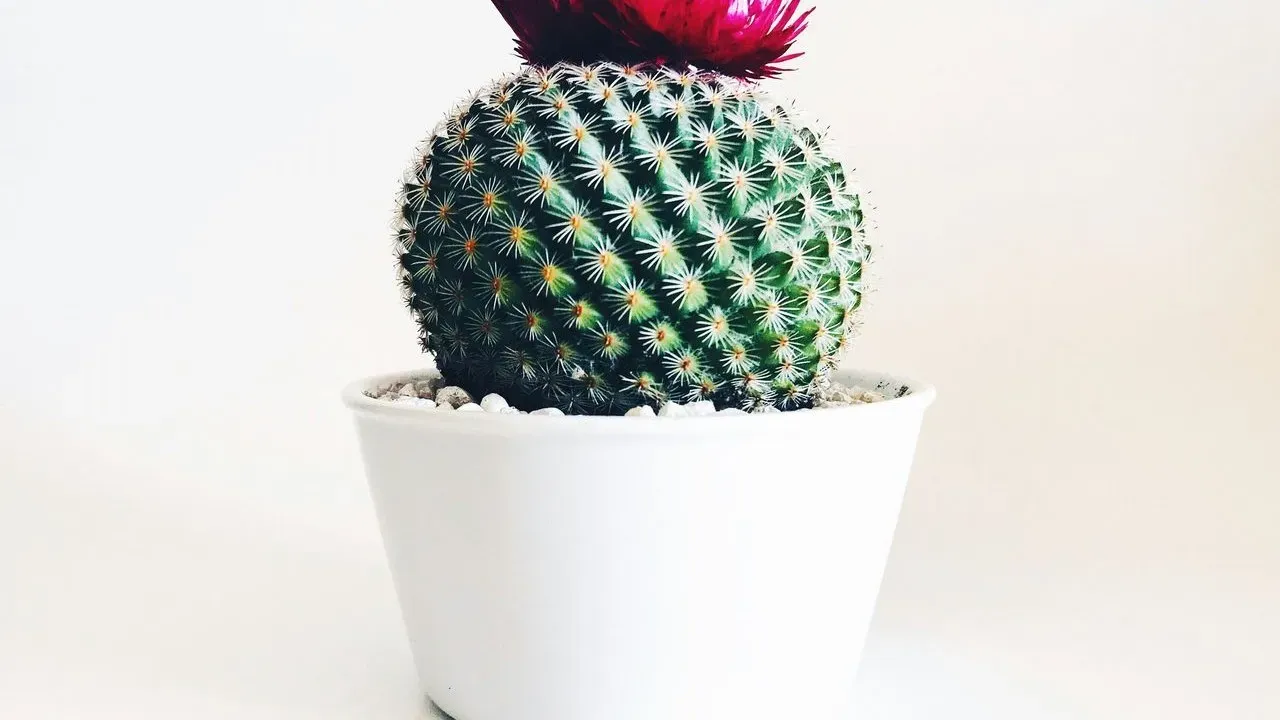

Homeowners searching for reliable greenery often discover that certain houseplants deliver striking results with very little intervention. Mammillaria cacti fit this description well. These plants, part of a genus containing nearly 200 species, produce unexpected rings of flowers despite their spiny appearance. They thrive as low-maintenance options in suitable climates or indoor settings.
The Unexpected Floral Reward
Many people assume spiny cacti offer only texture and form. Mammillaria species challenge that view by forming a crown of blooms around the top of their cylindrical or globular bodies. The flowers emerge from the protuberances that give the plants their distinctive look. Straight or hooked spines add protection and visual interest without requiring extra attention from the grower.
This combination of traits makes the plants stand out among common succulents. Owners report that the flowering stage arrives reliably once basic conditions are met. The result is a living accent that changes appearance seasonally while demanding minimal daily oversight.
Where These Cacti Perform Best
Mammillaria plants are adapted to USDA Zones 9 through 11. In these regions they can remain outdoors year-round with protection from extreme cold. Gardeners in cooler areas keep them successfully as houseplants that move outside during warmer months.
Indoor placement near bright windows supports steady growth. The plants tolerate the dry air typical of heated homes. Their compact size also suits apartments and smaller living spaces where larger specimens would overwhelm the room.
Practical Care That Fits Busy Schedules
Established Mammillaria specimens need infrequent watering once roots are settled. Overly frequent moisture is the main risk to avoid. Bright light and well-drained soil complete the basic requirements.
These cacti pair naturally with other desert succulents in mixed containers or rock gardens. The shared preference for dry conditions simplifies group plantings. Growers can expand collections without introducing conflicting care routines.
Key advantages for everyday growers:
- Nearly 200 species offer variety in shape and spine pattern.
- Flower crowns appear with standard succulent care.
- Compatibility with Zones 9-11 or indoor culture.
- Low water needs reduce routine maintenance.
Long-Term Value in the Home Landscape
Once placed correctly, Mammillaria cacti continue to develop character over years. Their slow, steady habit means they remain manageable without frequent repotting or pruning. This reliability appeals to both new plant owners and those maintaining larger collections.
The plants reward consistent but light attention with seasonal color that many expect only from softer-leaved species. As a result, they free up time for other garden projects while still providing living interest indoors or out.
AI Disclaimer: This article was created with the assistance of AI tools and reviewed by a human editor.