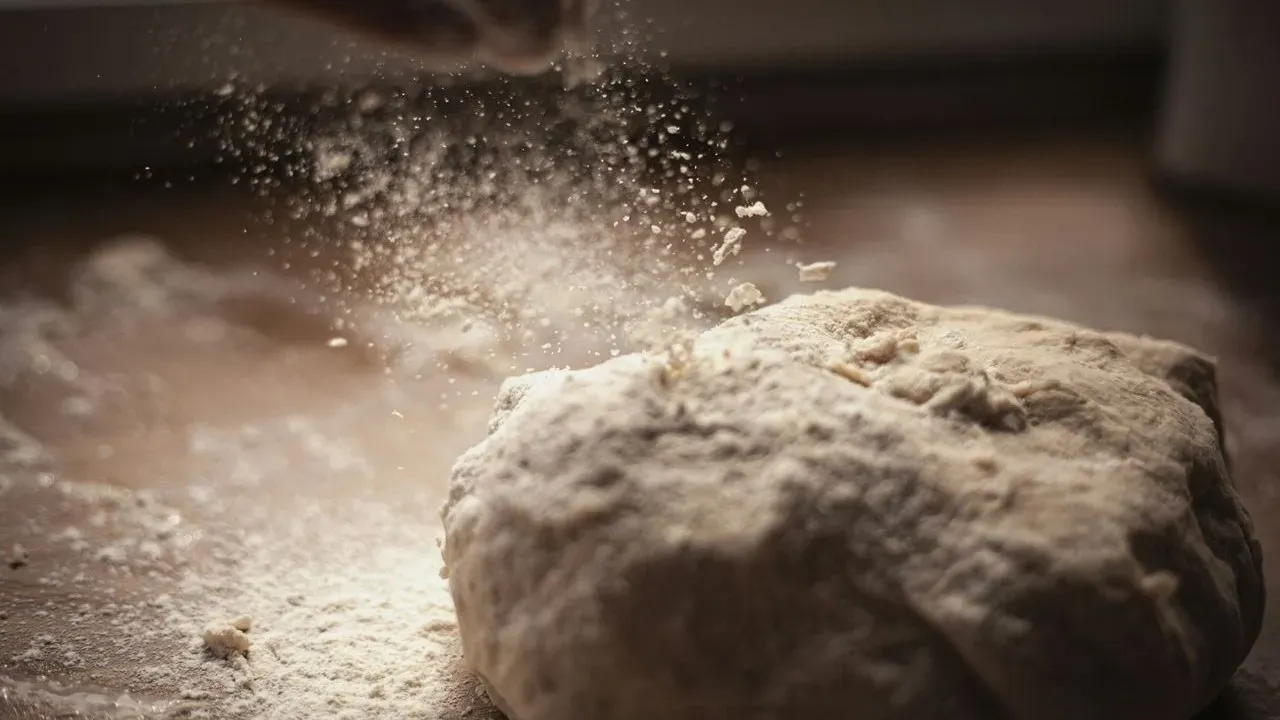

As Thanksgiving draws near, home cooks often find themselves juggling multiple dishes in a short window of time. Preparing pie dough ahead of the rush offers a straightforward way to ease that pressure. By mixing and freezing the dough now, bakers can reserve their energy for fillings, sides, and the main event when the holiday arrives. ([1])
The Case for Early Preparation
Many traditional pie recipes call for a buttery, flaky crust that benefits from time in the refrigerator or freezer. Working with cold dough helps create the desired layers, yet the process of measuring, cutting in fat, and rolling can feel time-consuming on a busy day. Completing this step weeks in advance removes one major task from the final countdown.
Freezing also preserves the dough without sacrificing quality. When properly wrapped, it maintains its texture and flavor, allowing cooks to pull out exactly what they need. This method proves especially useful for households planning multiple pies or for those who want to experiment with different crust styles without repeating the full effort later.
Simple Steps to Prepare the Dough
Start with a basic recipe that combines flour, salt, cold butter or shortening, and ice water. Cut the fat into the dry ingredients until the mixture resembles coarse crumbs, then add liquid gradually until the dough just holds together. Divide the mass into disks, wrap each one tightly in plastic, and chill briefly before moving to the freezer.
Label the packages with the date and any notes about the recipe. Working in batches now means the dough is ready whenever inspiration strikes, whether for a classic pumpkin pie or a savory option. The key is keeping everything cold throughout the process to protect the structure that will later produce tender, flaky results.
Freezing, Thawing, and Baking Tips
Place wrapped disks in a freezer bag or airtight container to prevent freezer burn. Most doughs hold well for up to two months, giving ample time before the holiday. When ready to use, transfer a disk to the refrigerator overnight so it thaws evenly without becoming too soft.
Once thawed, roll the dough on a lightly floured surface and fit it into the pie plate as usual. Because the dough has already rested, it often handles more easily than freshly made batches. Keep a few extra disks on hand for last-minute adjustments or additional desserts that may arise during the season.
Building a Smoother Holiday Kitchen Routine
With the crust work completed early, attention can shift to other elements that truly benefit from same-day attention, such as fresh fillings or garnishes. This small shift in timing often leads to a calmer atmosphere in the kitchen and more enjoyment of the gathering itself. Many experienced cooks return to this practice year after year because it delivers reliable results with minimal added effort.
AI Disclaimer: This article was created with the assistance of AI tools and reviewed by a human editor.