
Winter poses a unique set of challenges for indoor gardeners striving to keep their plants healthy and vibrant. As the days grow shorter and temperatures drop, maintaining the delicate balance of light, humidity, and temperature becomes crucial. It’s such a bummer when your favorite houseplants start to show signs of stress, but with the right knowledge and strategies, you can overcome these obstacles and ensure your indoor garden thrives all season long.
Understanding the common challenges that indoor plants face during winter is the first step toward effective maintenance. From battling dry indoor air and insufficient lighting to preventing pest infestations and managing watering routines, each issue requires a tailored approach. As a passionate gardener, I’m excited to share practical solutions and expert tips that will help you nurture your plants through the colder months. Let’s dive into the most common winter plant woes and discover how to keep your indoor greenery lush and healthy!
Combatting Low Light Conditions
One of the biggest hurdles for indoor gardeners in winter is the significant reduction in natural light. Plants rely on sunlight for photosynthesis, and inadequate light can lead to weak growth, legginess, and poor flowering. To combat this, positioning your plants near south-facing windows where they can bask in as much sunlight as possible is essential. If your home lacks sufficient natural light, investing in high-quality grow lights can make a world of difference. LED grow lights are especially effective, providing the full spectrum of light that plants need without generating excess heat.
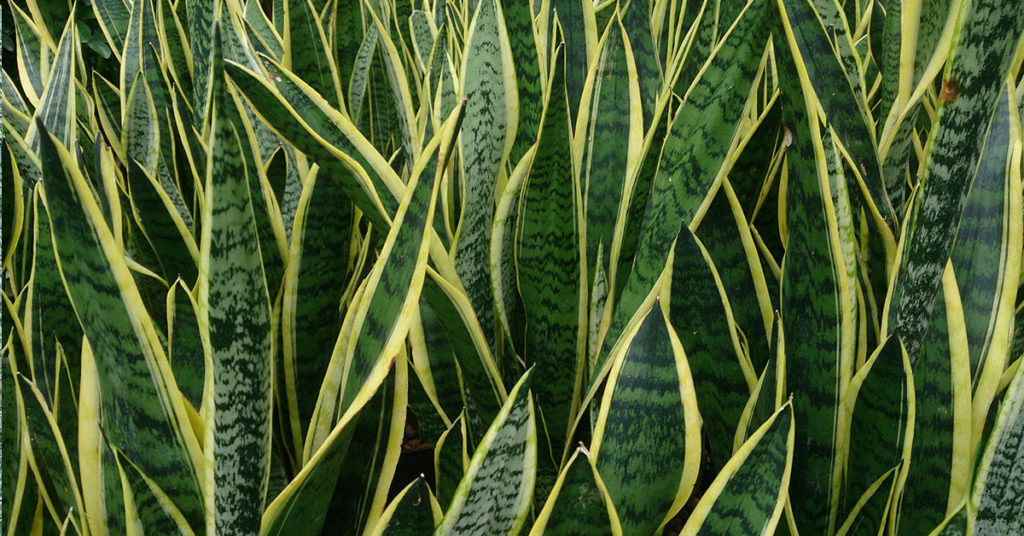
Choosing plants that are well-suited to lower light conditions can also alleviate some of the stress caused by winter’s limited daylight. For instance, the ZZ Plant (Zamioculcas zamiifolia), native to Eastern Africa, is incredibly resilient and thrives in low-light environments without becoming invasive. Similarly, the Snake Plant (Sansevieria trifasciata), originating from West Africa, is another excellent choice for dimmer areas of your home. These hardy plants not only add a touch of greenery but also require minimal light, making them perfect for maintaining indoor plant health during the darker months!
Managing Dry Indoor Air
Winter heating systems can create extremely dry indoor environments, which can be detrimental to many houseplants. Dry air can lead to brown leaf tips, crispy foliage, and stunted growth. To maintain optimal humidity levels, consider using a humidifier in the rooms where your plants are located. Alternatively, placing a tray filled with water and pebbles near your plants can help increase humidity as the water evaporates. Grouping plants together can also create a microclimate with higher humidity, benefiting all the plants simultaneously.
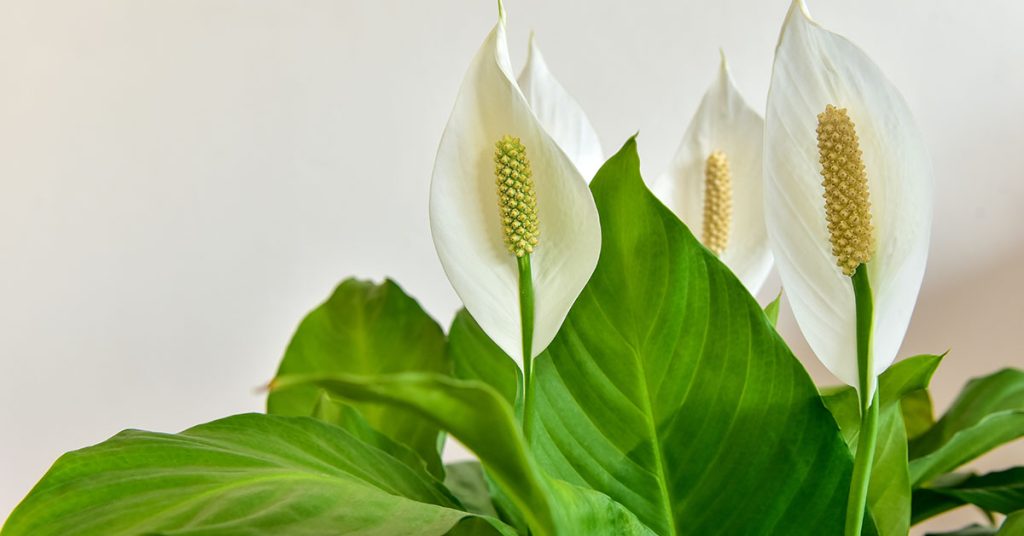
Additionally, misting your plants regularly with water can provide a temporary boost in moisture, especially for humidity-loving species like the Peace Lily (Spathiphyllum), native to tropical regions of the Americas. Peace Lilies are not only beautiful with their elegant white blooms but also excellent at improving indoor air quality. By maintaining adequate humidity, you ensure that your plants remain lush and vibrant, even in the driest winter conditions. It’s amazing how a little extra moisture can make such a big difference in the health and appearance of your indoor garden!
Preventing Pest Infestations
It’s such a bummer when pests like spider mites or aphids invade your indoor garden, especially during winter when plants are already stressed by environmental changes. Pests thrive in dry conditions and can quickly spread, causing significant damage to your beloved plants. Regularly inspecting your plants for signs of pests, such as discolored leaves or sticky residues, is crucial for early detection and control. Introducing natural pest control methods, like neem oil or insecticidal soap, can effectively manage infestations without harming your plants.
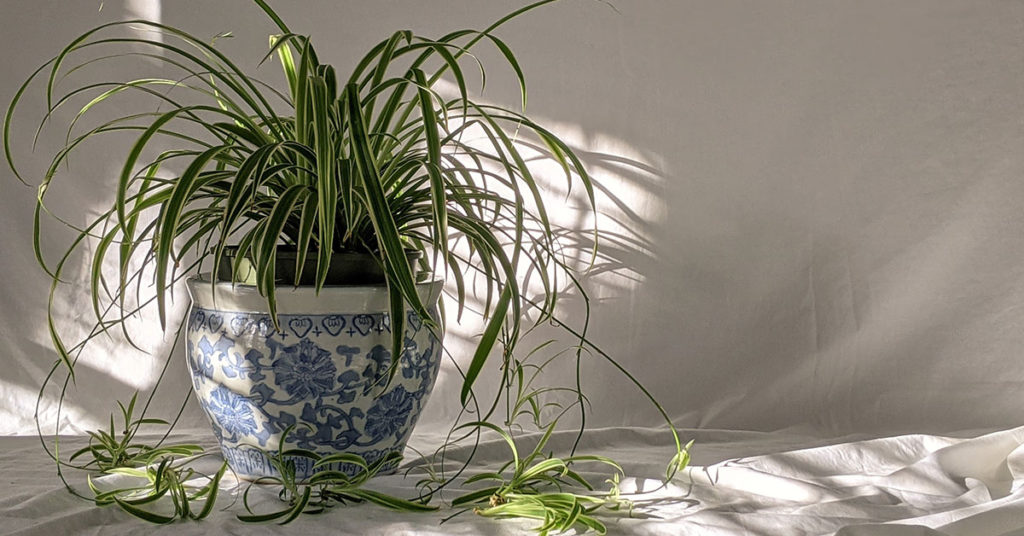
Maintaining a clean gardening environment is another key strategy to prevent pests. Remove fallen leaves and debris from your plant pots and surrounding areas to eliminate potential hiding spots for pests. Ensuring proper air circulation around your plants by avoiding overcrowding can also reduce the likelihood of pest infestations. Plants like the Spider Plant (Chlorophytum comosum), native to South Africa, are not only resilient but also naturally repel certain pests, making them excellent additions to your indoor garden. By staying vigilant and proactive, you can enjoy a pest-free indoor garden that remains healthy and thriving throughout the winter!
Adjusting Watering Routines

Winter often disrupts regular watering schedules, leading to common issues like overwatering or underwatering. The cooler temperatures and reduced light levels mean that plants require less water, and the soil takes longer to dry out. It’s important to adjust your watering habits accordingly by allowing the top inch of soil to dry out between waterings. Using a moisture meter can help you accurately gauge when your plants need water, ensuring you provide the right amount without overdoing it.
Different plants have varying watering needs, so understanding the specific requirements of each species in your indoor garden is essential. For example, Succulents, native to arid regions like North America and Africa, require well-draining soil and infrequent watering to prevent root rot. On the other hand, Ferns (Nephrolepis exaltata), native to tropical rainforests, prefer consistently moist soil and higher humidity levels. By tailoring your watering routine to the unique needs of each plant, you can maintain optimal moisture levels and promote healthy growth throughout the winter months!
Controlling Temperature Fluctuations

Maintaining a consistent temperature is vital for indoor plant health, especially during the winter when fluctuations can be more extreme. Plants are sensitive to sudden changes in temperature, which can cause stress and inhibit growth. To ensure a stable environment, avoid placing your plants near drafts from windows, doors, or heating vents. Keeping them away from direct sources of heat, such as radiators, can prevent overheating and dehydration.
Understanding the preferred temperature ranges of your plants can also help you create a more comfortable indoor environment. For instance, the Fiddle Leaf Fig (Ficus lyrata), native to the rainforests of Western Africa, thrives in temperatures between 60-75°F (15-24°C) and can suffer if exposed to cold drafts. Similarly, Orchids (Orchidaceae), native to various parts of the world, prefer warmer conditions and stable temperatures to encourage blooming. By monitoring and adjusting the temperature around your indoor garden, you can create a nurturing environment that supports the health and vitality of your plants throughout the winter season!
Enhancing Air Circulation
Proper air circulation is essential for preventing mold, mildew, and other fungal issues that can arise during the damp winter months. Stagnant air can create a breeding ground for pathogens that harm your plants, so ensuring good airflow around your indoor garden is crucial. Using a small fan to circulate air can help maintain a healthy environment and reduce the risk of disease. Additionally, spacing your plants appropriately allows for better air movement, ensuring that each plant receives adequate ventilation.
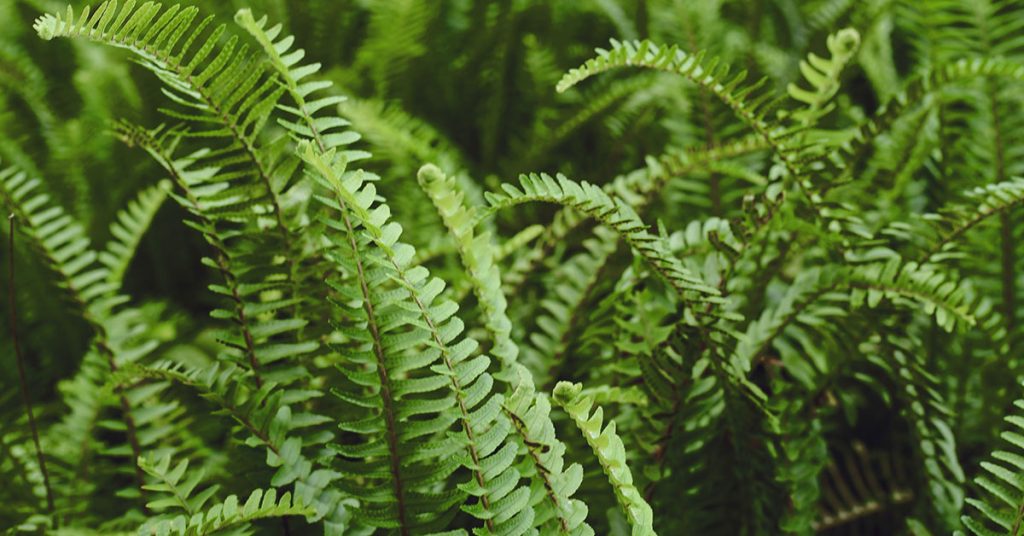
Certain plants, like the Boston Fern (Nephrolepis exaltata), native to tropical regions, thrive in environments with high humidity and good air circulation. These ferns add a lush, feathery texture to your indoor garden while benefiting from the enhanced airflow that prevents fungal growth. Similarly, the Snake Plant (Sansevieria trifasciata), native to West Africa, is known for its ability to improve air quality and tolerate a range of air conditions, making it a resilient choice for winter indoor gardening. By prioritizing air circulation, you can create a healthier and more resilient indoor garden that withstands the challenges of the winter season!
Providing Adequate Nutrients
Winter growth often slows down, but plants still require essential nutrients to maintain their health and vitality. The cooler temperatures and reduced light levels mean that plants may not absorb nutrients as efficiently, so it’s important to adjust your fertilizing routine accordingly. Using a balanced, water-soluble fertilizer every six weeks can provide the necessary nutrients without overfeeding your plants. Organic options, such as compost tea or fish emulsion, are excellent choices as they offer a steady release of nutrients and promote overall plant health.
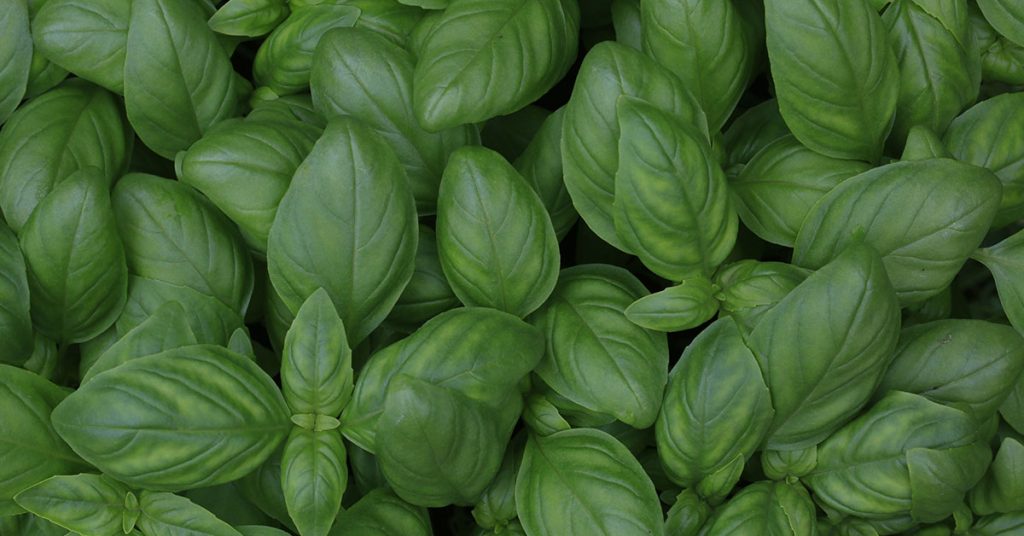
Understanding the specific nutritional needs of each plant in your indoor garden can help you tailor your fertilizing approach. For example, Herbs like Basil (Ocimum basilicum), native to tropical regions of Asia, benefit from higher nitrogen levels to support lush, green foliage. Flowering plants like the African Violet (Saintpaulia), native to East Africa, require a balanced fertilizer to encourage vibrant blooms. By providing the right nutrients at the right times, you can ensure that your plants remain healthy and robust throughout the winter months, ready to thrive as spring approaches!
Addressing Plant Dormancy
Some indoor plants enter a state of dormancy during the winter months, reducing their growth and requiring special care to maintain their health. Understanding which of your plants are prone to dormancy and adjusting your care routines accordingly is essential. For instance, many succulents naturally slow their growth in the winter and require less watering and fertilizing. Recognizing these patterns allows you to provide the appropriate care without overburdening your plants.
In contrast, other plants may continue to grow year-round but at a slower pace. For example, the Peace Lily (Spathiphyllum), native to tropical regions of the Americas, maintains its foliage and occasional blooms even in winter, requiring consistent but reduced care. By being aware of each plant’s growth cycle and dormancy patterns, you can tailor your maintenance routines to support their natural rhythms, ensuring that they remain healthy and ready to burst back into vigorous growth when the warmer months return. Embracing plant dormancy as a natural phase of their life cycle helps you become a more attuned and effective indoor gardener!
Conclusion
Maintaining indoor plant health during winter involves navigating a series of challenges, from low light and dry air to pests and temperature fluctuations. By understanding these common issues and implementing targeted solutions, you can ensure that your indoor garden remains vibrant and thriving throughout the colder months. Whether it’s adjusting your watering routine, enhancing air circulation, or repurposing spaces for better light exposure, each strategy plays a crucial role in supporting your plants’ well-being.