

As the vibrant colors of autumn give way to the crisp chill of winter, maintaining your garden paths and walkways becomes an essential task for any dedicated gardener. Winter can pose numerous challenges, from snow and ice accumulation to wear and tear from increased foot traffic. However, with the right strategies and a bit of foresight, you can ensure that your garden paths remain safe, functional, and aesthetically pleasing throughout the colder months. It’s such a relief to know that with proper maintenance, your walkways can withstand winter’s harsh conditions and be ready for use when spring arrives!
I completely understand how frustrating it can be to navigate slippery or damaged paths during winter. You might be concerned about the safety of your family and guests, or worried about the longevity of your garden’s infrastructure. But fear not! By implementing a combination of preventative measures, sustainable practices, and thoughtful design, you can maintain your garden paths and walkways effectively throughout the winter. Let’s explore some of the best practices for keeping your paths clear, safe, and beautiful during the colder months!
Choosing Sustainable Path Materials

One of the first steps in maintaining your garden paths for winter is selecting sustainable and durable materials that can withstand harsh weather conditions. Gravel and crushed stone are excellent choices for winter paths because they provide excellent drainage, preventing water from pooling and freezing. These materials are not only eco-friendly but also allow for easy snow removal, reducing the risk of ice formation. Additionally, gravel paths blend seamlessly with natural garden elements, enhancing the overall aesthetic of your outdoor space.
Another sustainable option is permeable pavers, which allow water to seep through and reduce runoff, minimizing the risk of ice build-up. These pavers come in a variety of colors and styles, offering versatility in design while supporting eco-friendly practices. By choosing sustainable materials for your garden paths, you contribute to a healthier environment and ensure that your walkways remain functional and attractive throughout the winter months. It’s such a smart way to invest in your garden’s long-term beauty and resilience!
Installing Proper Drainage Systems

Effective drainage is crucial for maintaining garden paths and walkways in winter, as it prevents water from pooling and freezing, which can create hazardous walking conditions. Installing a proper drainage system, such as French drains or channel drains, helps direct water away from your paths and prevents ice formation. These systems are designed to handle excess water efficiently, ensuring that your walkways remain dry and safe even during heavy snowfalls or rainstorms.
In addition to installing new drainage systems, it’s important to regularly inspect and maintain existing ones. Clearing debris and ensuring that drains are not clogged can significantly improve their effectiveness. Proper drainage not only enhances the safety of your garden paths but also protects the underlying structure from water damage and erosion. By prioritizing drainage, you create a more resilient and sustainable garden environment that can withstand the challenges of winter weather!
Regular Snow and Ice Removal

Keeping your garden paths clear of snow and ice is essential for maintaining safe and accessible walkways during winter. Regular snow removal prevents the buildup of heavy snow, which can strain path materials and create uneven surfaces. Using a snow shovel or a lightweight snow blower can make this task easier and more efficient. It’s such a straightforward way to ensure that your paths remain functional and safe for daily use!
In addition to snow removal, it’s important to manage ice formation on your walkways. Applying ice melt products, such as calcium chloride or magnesium chloride, can help prevent ice from forming and make your paths safer to navigate. However, it’s crucial to choose environmentally friendly ice melts to minimize the impact on your garden’s plants and soil. Alternatively, you can use sand or gravel to provide traction on icy surfaces without introducing harmful chemicals. By staying on top of snow and ice removal, you ensure that your garden paths remain safe and accessible throughout the winter months!
Integrating Ground Cover Plants

Incorporating ground cover plants along your garden paths can add both beauty and functionality, even during winter. Evergreen ground covers, such as creeping thyme or ajuga, provide year-round greenery and help prevent soil erosion around your walkways. These plants are not considered invasive and can thrive in various conditions, making them a versatile addition to your garden design. Their dense growth habit also helps suppress weeds, reducing the need for chemical interventions and promoting a healthier garden ecosystem.
Additionally, ground cover plants can attract beneficial insects and provide habitat for small wildlife, enhancing the biodiversity of your garden. For example, creeping thyme attracts pollinators like bees and butterflies, while ajuga offers shelter for beneficial insects like ladybugs and lacewings. By integrating ground cover plants into your garden paths, you create a more sustainable and visually appealing environment that supports both the beauty and health of your outdoor space. It’s such a lovely way to blend functionality with natural elegance in your winter garden!
Using Path Lighting for Safety and Aesthetics

Installing path lighting is a fantastic way to enhance both the safety and beauty of your garden paths during winter. Proper lighting ensures that your walkways are visible in the shorter daylight hours, reducing the risk of accidents and making it easier to navigate your garden safely. Solar-powered or low-voltage LED lights are excellent choices, as they are energy-efficient and easy to install without the need for extensive wiring.
Beyond safety, path lighting adds a magical touch to your winter garden, highlighting architectural features and creating a warm, inviting ambiance. Strategically placed lights can accentuate the natural beauty of your garden paths, illuminating decorative elements like stone borders or nearby plantings. Additionally, incorporating motion-sensor lights can provide added security and convenience, automatically turning on when someone approaches. By using path lighting, you not only ensure the safety of your walkways but also enhance the overall aesthetic appeal of your winter garden, making it a delightful space to enjoy even after sunset!
Applying Protective Coatings

Applying protective coatings to your garden paths can significantly extend their lifespan and maintain their appearance throughout the winter. Sealants and water repellents help protect paving materials from moisture infiltration, preventing freeze-thaw cycles that can cause cracking and deterioration. It’s such a proactive measure that ensures your paths remain in excellent condition, reducing the need for costly repairs and maintenance in the future.
Additionally, protective coatings can enhance the color and texture of your path materials, making them look fresh and vibrant even after exposure to harsh winter conditions. Choosing eco-friendly sealants ensures that your protective measures are sustainable and safe for your garden’s plants and wildlife. Regularly reapplying these coatings as needed helps maintain their effectiveness, providing ongoing protection against the elements. By investing in protective coatings, you preserve the beauty and functionality of your garden paths, ensuring they remain a valuable asset to your outdoor space for many winters to come!
Installing Wind Barriers
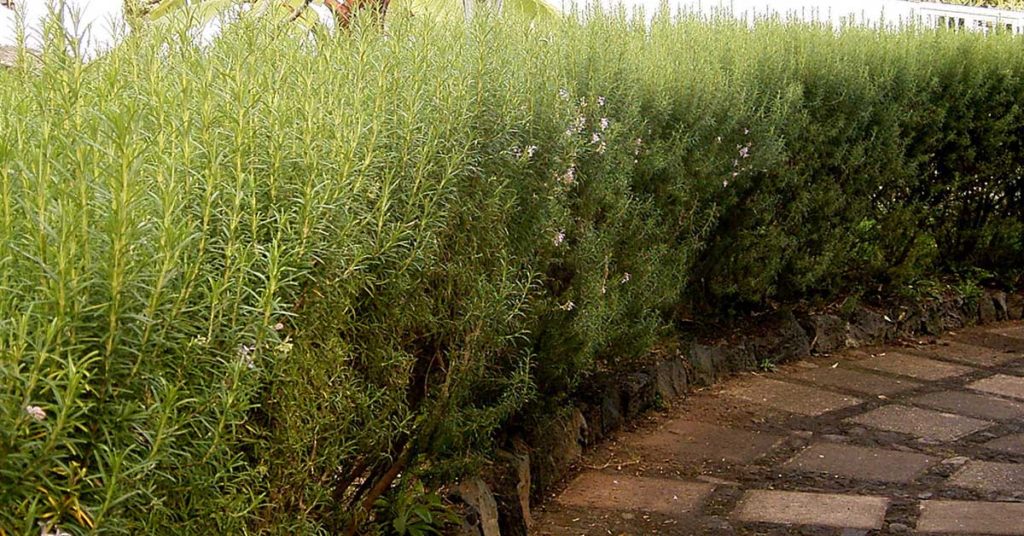
Installing wind barriers around your garden paths can help reduce the impact of harsh winter winds, protecting both your walkways and surrounding plants. Wind barriers, such as evergreen hedges or strategically placed fences, create a buffer that shields your paths from gusts, preventing snow drift and reducing the risk of ice formation. These barriers also help maintain a more stable microclimate around your walkways, enhancing their durability and appearance throughout the winter months.
In addition to protecting your paths, wind barriers contribute to the overall sustainability of your garden by supporting local wildlife and reducing soil erosion. Evergreen hedges like arborvitae or boxwood provide year-round cover for birds and beneficial insects, creating a safe haven from predators and harsh weather conditions. Moreover, wind barriers help retain soil moisture and prevent the drying out of nearby plants, promoting a healthier and more resilient garden ecosystem. By incorporating wind barriers into your garden path design, you enhance both the functionality and ecological health of your winter walkways, creating a more comfortable and sustainable outdoor environment!
Maintaining Path Maintenance Tools
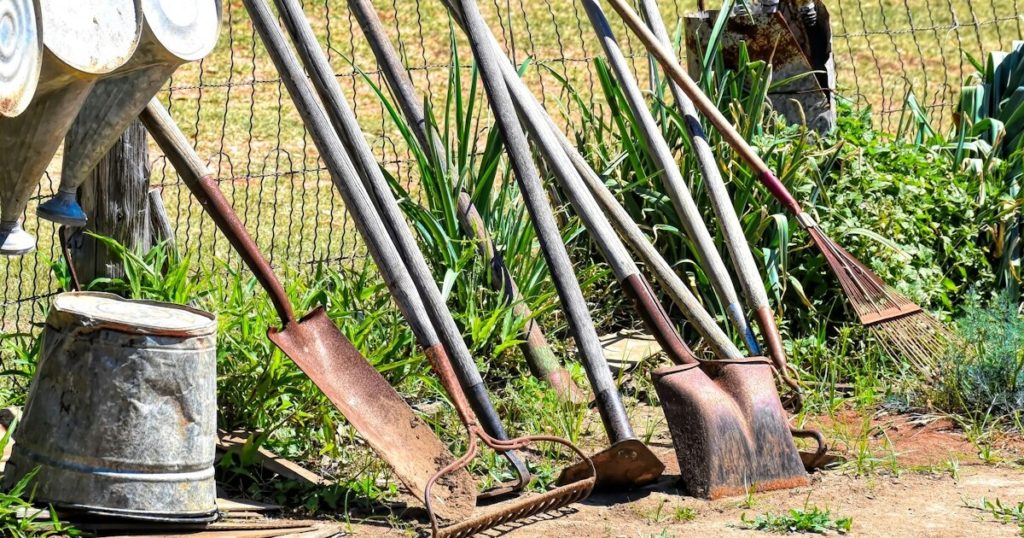
Ensuring that your path maintenance tools are in good condition is essential for effective winter garden care. Tools such as snow shovels, ice scrapers, and snow blowers should be cleaned, dried, and stored properly to prevent rust and damage from winter elements. It’s such a simple yet important task that ensures your tools are ready for use when you need them most, making winter maintenance easier and more efficient.
Additionally, investing in high-quality, durable tools designed for winter use can save you time and effort in the long run. Ergonomic designs and lightweight materials can reduce strain and fatigue during heavy snow removal or ice management. Regularly inspecting and maintaining your tools, such as sharpening blades or checking for wear and tear, ensures that they remain effective and reliable throughout the winter season. By taking care of your path maintenance tools, you enhance their longevity and performance, making your winter garden upkeep smoother and more manageable!
Creating Wildlife-Friendly Walkways
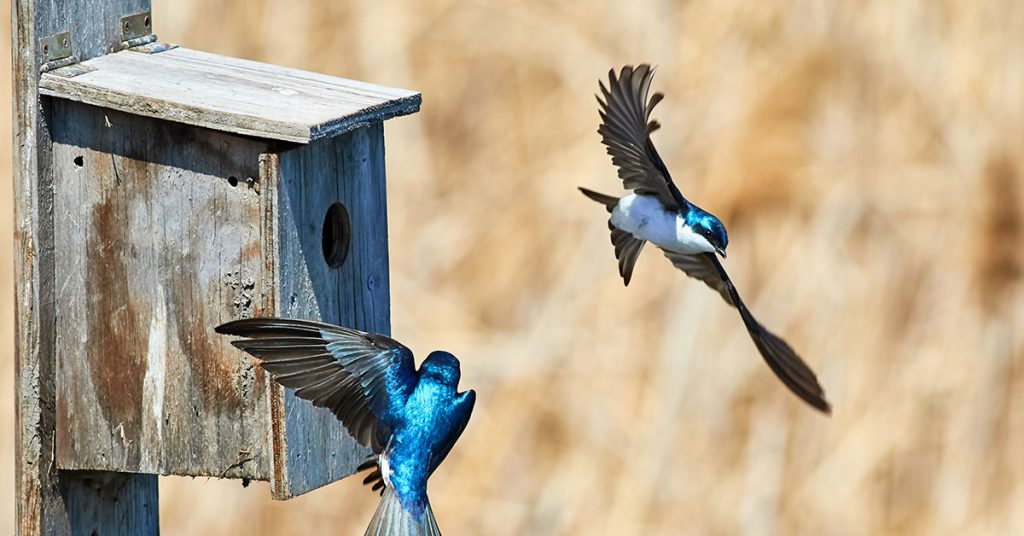
Creating wildlife-friendly walkways is a wonderful way to support local biodiversity and enhance the sustainability of your winter garden. Incorporating features such as birdhouses, bat boxes, and insect hotels along your paths provides shelter and nesting sites for various forms of wildlife. These additions not only benefit the animals but also contribute to the overall health of your garden by encouraging natural pest control and pollination.
Additionally, planting native ground covers and low-growing shrubs along your walkways can attract beneficial insects and provide habitat for small birds and mammals. For example, native asters and goldenrods can attract pollinators, while evergreen shrubs like juniper offer shelter for birds seeking refuge from the cold. By designing your walkways with wildlife in mind, you create a harmonious and supportive environment that benefits both your garden and the diverse creatures that inhabit it. It’s such a fulfilling way to blend functionality with ecological stewardship, making your winter garden a thriving sanctuary for wildlife!