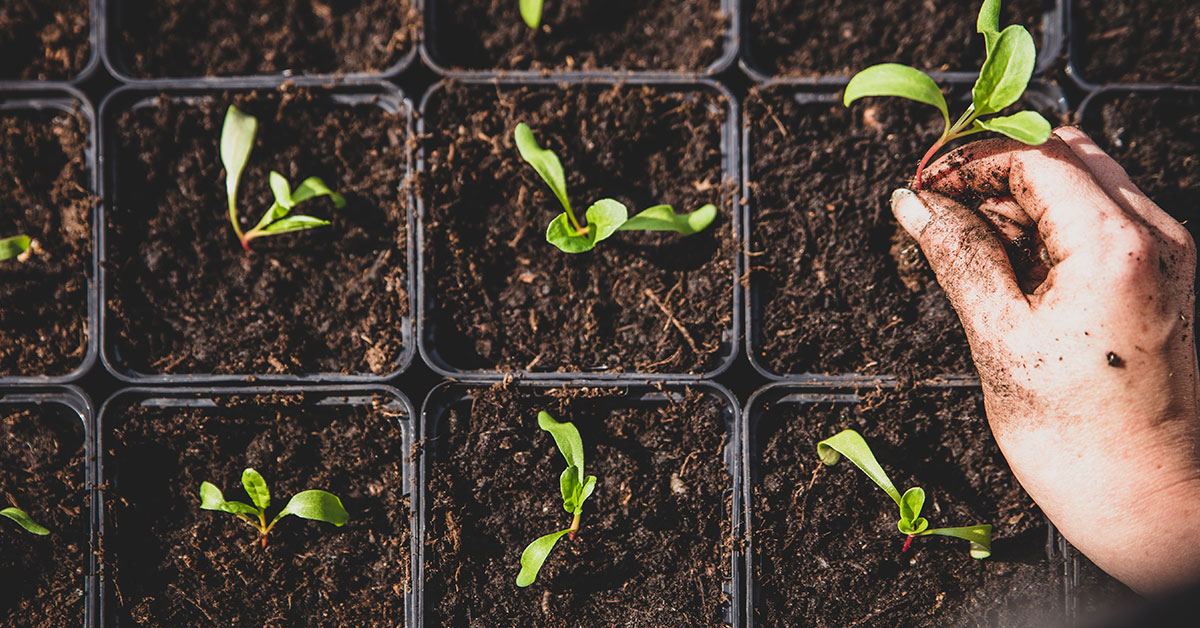

Lucullus Swiss Chard is a versatile and nutritious vegetable that is sure to delight both your taste buds and your garden. Named after the famed Roman general Lucullus, who was known for his epicurean tastes, this leafy green is a true standout in the garden with its vibrant green leaves and striking red stems. Lucullus Swiss Chard is not only visually appealing, but it is also packed with vitamins, minerals, and antioxidants, making it a fantastic addition to any healthy diet.
Whether you are an experienced gardener looking to try something new or a beginner seeking an easy-to-grow vegetable, Lucullus Swiss Chard is a fantastic choice. In this article, we will explore everything you need to know about growing, harvesting, and enjoying this delightful leafy green. So grab your gardening gloves and let’s dive into the world of Lucullus Swiss Chard!
What is a Lucullus Swiss Chard?
Lucullus Swiss Chard, also known as Lucullus Rhubarb Chard, is a popular variety of Swiss Chard that is cultivated for its delicious and nutritious leaves. It is a member of the beet family (Amaranthaceae) and is closely related to spinach and beets.
Lucullus Swiss Chard features large, deep green leaves that are tender and have a slightly crinkled texture. The leaves grow in a bunch, forming attractive mounds of foliage. The stems are thick, succulent, and have a vibrant red color, making them a standout feature in the garden.
One of the distinguishing features of Lucullus Swiss Chard is its mild and sweet flavor. The leaves have a delicate taste, making them a versatile addition to various culinary preparations. The young leaves can be used in salads or added to stir-fries, while the older leaves are excellent for sautéing or boiling. The stems are also edible and can be cooked similarly to asparagus or used in pickling.
This variety of Swiss Chard is known for its vigorous growth and adaptability to different growing conditions. It is a hardy plant that can tolerate both heat and cold, making it suitable for various climates. Lucullus Swiss Chard is also relatively disease and pest resistant, making it a low-maintenance choice for gardeners.
When it comes to cultivation, Lucullus Swiss Chard can be grown in both containers and garden beds. It prefers well-drained soil and requires regular watering to keep the soil moist but not waterlogged. The plant thrives in full sun but can tolerate partial shade.
Harvesting Lucullus Swiss Chard is an ongoing process, and you can start harvesting the outer leaves when they reach a desirable size, usually around 6-8 inches long. Regular harvesting promotes the growth of new leaves, ensuring a continuous supply throughout the growing season. Overall, Lucullus Swiss Chard is a delightful and versatile vegetable that adds both aesthetic appeal and culinary value to any garden or kitchen.
What does Lucullus Swiss Chard taste like?
Lucullus Swiss Chard is a variety of chard known for its delicious taste. The leaves of Lucullus Swiss Chard have a mild, slightly earthy flavor with a hint of sweetness. The taste is similar to spinach but milder and less bitter. The tender leaves have a delicate texture that is both crisp and smooth, making them a delightful addition to any dish.
When cooked, Lucullus Swiss Chard retains its mild flavor, making it a versatile ingredient that pairs well with a variety of other ingredients. The leaves wilt down nicely, becoming tender and slightly buttery. The stems of are also edible and have a mild, crunchy texture with a subtle sweetness.
Whether enjoyed raw in salads or cooked in stir-fries, soups, or sautés, this plant offers a pleasant and refreshing taste that enhances the overall flavor profile of a dish. Its versatility and delicious taste make it a favorite choice among gardeners and chefs alike.
How to start from seed
Starting Lucullus Swiss Chard is a relatively straightforward process. Here is a step-by-step guide to help you get started:
- Selecting the Seeds: First, you’ll need to choose high-quality Lucullus Swiss Chard seeds. These can be purchased from gardening stores, online suppliers, or even saved from previous plants if you have experience with seed saving.
- Choosing the Planting Location: Lucullus Swiss Chard prefers a sunny location, but it can tolerate partial shade as well. Ensure the area has well-draining soil with a pH level between 6.0 and 7.5. It’s also good to keep in mind that Swiss chard grows best in cool weather, so consider planting it in early spring or late summer.
- Preparing the Soil: Before sowing the seeds, it’s essential to prepare the soil properly. Remove any weeds, rocks, or debris from the planting area. Loosen the soil with a garden fork or tiller to a depth of about 8-10 inches. If the soil is heavy or clay-like, adding organic matter such as compost or well-rotted manure can improve its texture and fertility.
- Sowing the Seeds: Once the soil is prepared, create shallow furrows or rows about 1/2 inch deep using a garden hoe or your finger. Space the furrows around 12-18 inches apart to provide enough room for the plants to grow. Place the Lucullus Swiss Chard seeds about 2-3 inches apart within the furrows. Cover the seeds with a thin layer of soil and gently pat it down.
- Watering: After sowing the seeds, water the area thoroughly but gently, ensuring the soil is evenly moist. Avoid overwatering, as it could lead to rotting or poor germination. Maintain consistent moisture throughout the germination period, which usually takes around 7-14 days.
- Thinning the Seedlings: Once the seedlings have emerged and developed their first true leaves, thin them out. To avoid overcrowding, remove the weaker or excess seedlings, leaving the healthiest ones spaced about 6-10 inches apart. Thinning helps promote better air circulation and gives each plant enough space to grow.
- Caring for the Plants: It requires regular care to ensure healthy growth. Keep the soil consistently moist but not waterlogged. Mulching around the plants can help retain moisture, suppress weeds, and regulate soil temperature. Additionally, consider applying a balanced fertilizer or compost during the growing season to provide necessary nutrients.
- Harvesting: The leaves can be harvested when they reach the desired size, usually around 6-8 inches tall. You can either harvest the outer leaves individually or cut the entire plant at once, leaving about an inch of growth at the base. Regular harvesting encourages continuous leaf production.
By following these steps, you should be able to start and grow Lucullus Swiss Chard in your garden successfully. Enjoy the process and the bountiful harvests of this nutritious and delicious leafy green!
Planting and growing Lucullus Swiss Chard
Here are the steps for planting and growing Lucullus Swiss Chard:
- Planning: Choose a suitable location for planting Lucullus Swiss Chard. It prefers a sunny spot with well-drained soil. Prepare the soil by removing any weeds, rocks, or debris and amend it with organic matter such as compost.
- Timing: This vegetable is a cool-season crop, so it’s best to plant it in early spring or late summer to early fall. It prefers temperatures between 50-75°F (10-24°C).
- Planting: Sow the seeds directly into the prepared soil, spacing them about 1-2 inches apart and ½ inch deep. You can also start the seeds indoors 4-6 weeks before the last frost and transplant them outdoors once the soil has warmed up.
- Watering: Keep the soil evenly moist but not waterlogged. Swiss Chard requires regular watering, especially during dry periods. Aim to provide about 1 inch of water per week.
- Thinning: Once the seedlings have emerged and are a few inches tall, thin them out to provide enough space for each plant to grow properly. Thin the plants to about 6-12 inches apart. You can use the thinned seedlings as baby greens in salads.
- Mulching: Apply a layer of organic mulch around the plants to help conserve moisture, suppress weeds, and regulate soil temperature. Straw, grass clippings, or compost can be used as mulch.
- Fertilizing: Swiss Chard is a moderate feeder. You can apply a balanced fertilizer or compost around the plants every 4-6 weeks to provide necessary nutrients. Follow the manufacturer’s instructions for the recommended dosage.
- Pests and Diseases: Lucullus Swiss Chard is generally resistant to many pests and diseases. However, keep an eye out for common garden pests like aphids, slugs, or caterpillars. If necessary, use organic pest control methods to manage any infestations.
- Harvesting: It can be harvested when the leaves are young and tender, usually around 45-60 days after planting. Harvest outer leaves by cutting them off near the base of the plant, leaving the inner leaves to continue growing. This will allow for continuous harvest throughout the growing season.
By following these steps, you can successfully plant and grow Lucullus Swiss Chard in your garden. Enjoy the nutritious and delicious leaves of this versatile vegetable!
When to harvest
The best time to harvest is when the outer leaves reach about 6-8 inches in length. This usually occurs around 50-60 days after planting. However, you can start harvesting individual leaves as soon as they reach a size that you find acceptable. Harvesting the outer leaves regularly will encourage the plant to keep producing new leaves throughout the growing season. Be sure to leave at least 2-3 leaves on the plant so it can continue to photosynthesize and grow.