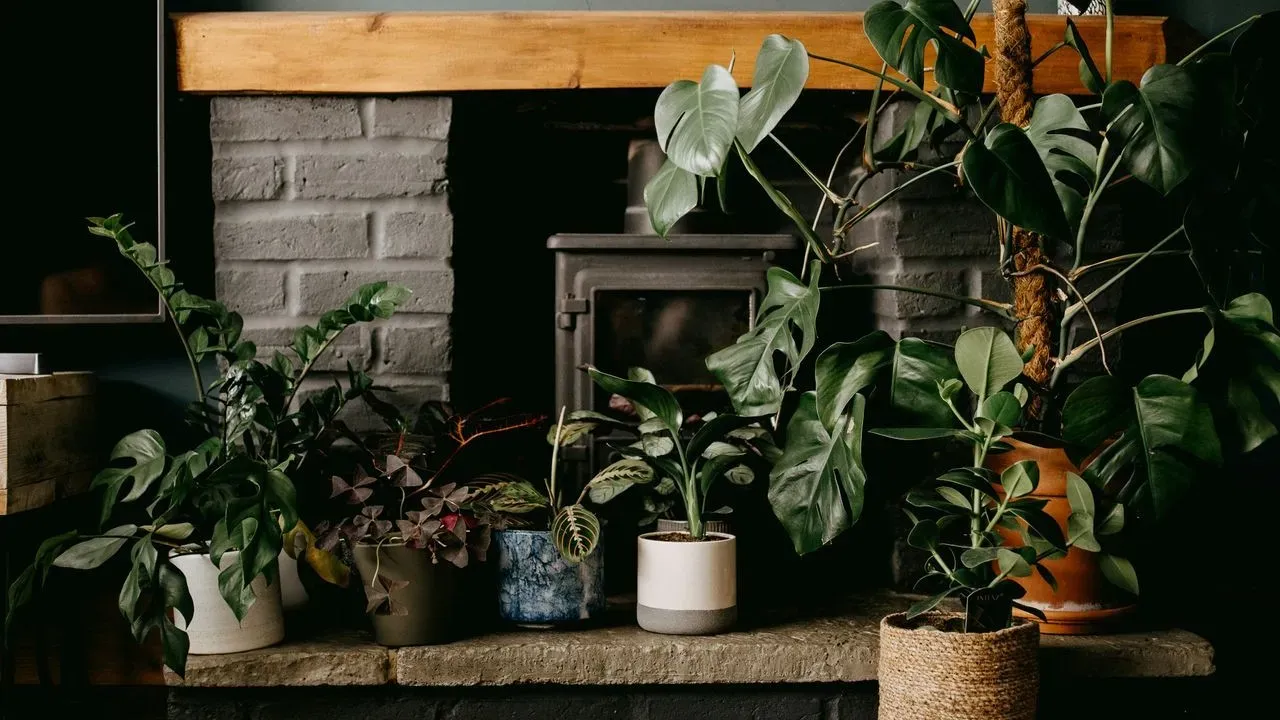

Winter tends to send flowering plants toward the brightest windowsill in the house, which leaves dimmer corners to leafy foliage plants. Several familiar bloomers can still flower in rooms that get little direct sun, though the conditions they need vary. A recent Gardener’s Path guide [1] surveys a range of these options, and two of the most recognizable examples, African violets and kalanchoe, show how much the details matter. ([1])
African violets tolerate shade but reward more light
African violets are a staple on desks and shelves, and they handle dim spaces better than many flowering plants. Survival is rarely the problem. Flowers are, since a plant kept in weak light may keep growing while producing few blooms or none at all, according to a University of Florida fact sheet on the species.
The same guidance puts the target near 1,000 foot candles, a level typically reached within about three feet of a southeast or west window, while avoiding direct sun. Colorado State University extension notes that eastern and northern exposures offer ideal conditions, and filtered light from a south or west window also works well.
Kalanchoe blooms on a timetable set by darkness
Kalanchoe offers a more unusual lesson, because its flowering depends on the length of night rather than the strength of daylight. A kalanchoe responds to day length and needs roughly 14 hours of total darkness each night before its buds form, which makes uninterrupted evenings more important than bright afternoons.
Several kalanchoe species flower dependably indoors, even where light is modest. Growers should still expect the plant to appreciate more sun during its active blooming period, after it has spent part of the year in shade. Temperatures between about 60 and 75 degrees Fahrenheit suit it best, and the soil should be sandy and well draining.
Quick guide to low light blooms
- African violets need bright, indirect light and no direct sun to flower well.
- Kalanchoe is driven by long, uninterrupted nights, so keep it away from lamps and room lights in the evening.
- Weak light can leave plants green and healthy but nearly bare of flowers.
- A grow lamp can supply the light a dim room lacks.
Artificial light can fill the winter gap
When a room falls short, supplemental lighting can make the difference between a green plant and a flowering one. The University of Florida fact sheet notes that artificial light can encourage flowering when natural light is too low. Colorado State University adds that African violets grown under artificial light often bloom more profusely than those in a window.
For fluorescent setups, the guidance points to about 600 foot candles for roughly 15 hours a day. Growers should also watch for heat and direct sun, since intense light can scorch leaves and petals. A lamp placed at a moderate distance is often safer than a sunny window that receives harsh afternoon rays.
Low light does not rule out blooms, but it does shift the work to the grower. Matching the plant to the room, then adjusting light and watering through the winter months, gives these flowering houseplants the best chance to perform.
AI Disclaimer: This article was created with the assistance of AI tools and reviewed by a human editor.