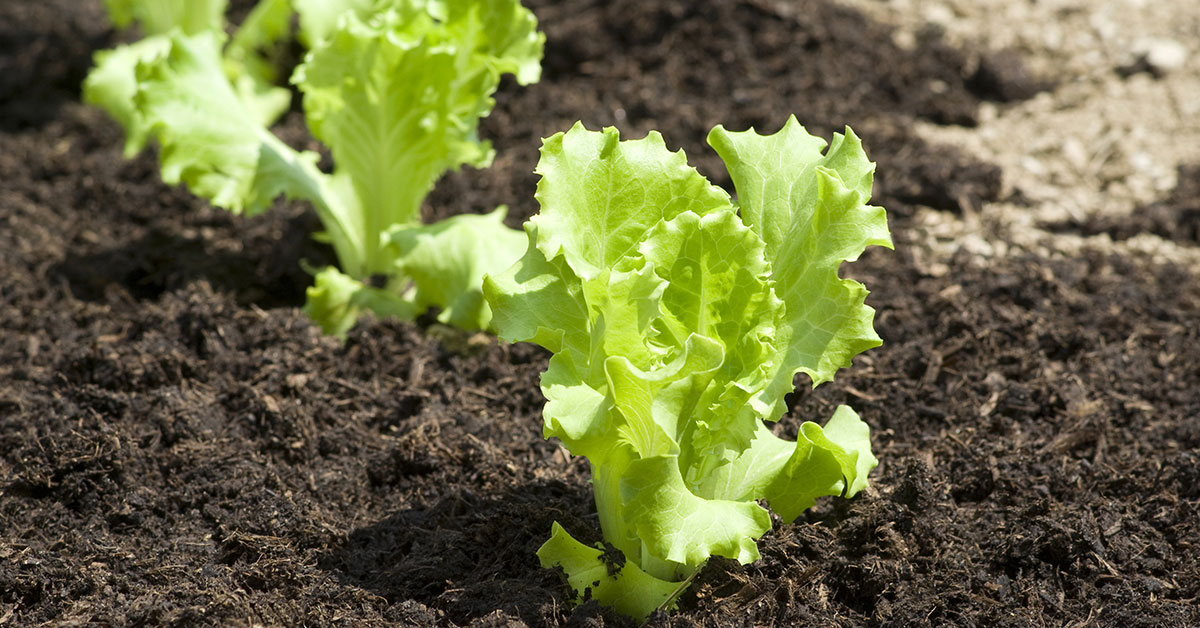

Are you a salad lover? If so, then loose-leaf lettuce is a must-have in your garden. This versatile and easy-to-grow leafy green is not only packed with nutrients but also offers a variety of vibrant colors and delicious flavors.
Whether you’re a seasoned gardener or a beginner looking to start your own veggie patch, this article will serve as your comprehensive guide to growing loose-leaf lettuce. From choosing the right variety to providing the ideal growing conditions, we will walk you through everything you need to know to cultivate fresh and flavorful lettuce right in your backyard.
So, grab your gardening tools and get ready to embark on a journey of growing your own lush, green salad staple.
What is Loose-leaf Lettuce?
Loose-leaf lettuce is a popular salad green that is known for its loose, tender leaves and mild flavor. It is a versatile and nutritious vegetable that can be used in various culinary creations. In this section, we will delve into what exactly loose-leaf lettuce is, its different varieties, and why it is worth adding to your diet.
Loose-leaf lettuce, scientifically known as Lactuca sativa, is a type of leafy green vegetable that belongs to the Asteraceae family. Unlike other lettuce varieties such as romaine or iceberg lettuce, loose-leaf lettuce does not form a tight head. Instead, it grows in loose rosettes, with leaves loosely attached to a central stem.
There are several varieties of loose-leaf lettuce, each with its own unique characteristics. Some popular types include Green Leaf, Red Leaf, Oak Leaf, and Butterhead. Green Leaf lettuce has vibrant green, ruffled leaves, while Red Leaf lettuce has a reddish tint to its leaves. Oak Leaf lettuce has deeply lobed and oak-shaped leaves, and Butterhead lettuce has soft, buttery leaves that form loose heads.
Loose-leaf lettuce is an excellent source of essential nutrients. It is low in calories and carbohydrates, making it a great choice for those watching their weight or following a low-carb diet. It is also high in dietary fiber, which aids in digestion and promotes a healthy gut. Additionally, loose-leaf lettuce is rich in vitamins A, C, and K, as well as minerals like iron and calcium.
One of the best things about loose-leaf lettuce is its versatility in the kitchen. Its tender leaves make it perfect for salads, providing a refreshing crunch and mild flavor. It can also be used in sandwiches, wraps, and even cooked dishes like stir-fries or soups. The different varieties of loose-leaf lettuce offer a range of taste profiles, allowing you to experiment with different flavors and textures in your meals.
What does Loose-leaf Lettuce taste like?
When it comes to lettuce, there are several varieties available, each with its own unique taste. Loose-leaf lettuce, also known as leaf lettuce, is one such type that has gained popularity in recent years. Known for its vibrant colors, delicate texture, and versatility, loose-leaf lettuce offers a refreshing and flavorful addition to any salad or dish. In this section, we will explore the taste profile of loose-leaf lettuce and why it has become a favorite among salad enthusiasts.
One of the defining characteristics of loose-leaf lettuce is its crisp and refreshing taste. With its tender leaves and high water content, this lettuce variety provides a satisfying crunch that adds a pleasant texture to salads. When you take a bite of loose-leaf lettuce, you can expect a burst of freshness that instantly revitalizes your taste buds.
In terms of flavor, loose-leaf lettuce offers a mild and subtly nutty taste. Unlike some other lettuce varieties, such as romaine or iceberg, loose-leaf lettuce does not have a bitter or overpowering flavor. Instead, it provides a delicate and slightly sweet taste that complements a wide range of ingredients. This mildness makes it an excellent base for salads, as it allows other flavors to shine through without overwhelming them.
While loose-leaf lettuce generally has a mild taste, there are certain varieties, such as red leaf lettuce or oak leaf lettuce, that offer a slightly more pronounced flavor. These peppery varieties add a hint of spiciness to your salads, giving them an extra kick. If you enjoy a touch of heat in your dishes, these peppery loose-leaf lettuces can be a great choice to add some excitement to your salads.
How to grow Loose-leaf Lettuce
When it comes to growing lettuce, one of the first things you need to consider is the variety you want to grow. There are numerous options available, each with its unique flavor, texture, and color. Some popular varieties include Red Sails, Buttercrunch, and Oakleaf.
Before making your selection, think about your preferences and the climate in which you live. Some varieties are more heat-tolerant, while others thrive in cooler temperatures. Additionally, consider factors like disease resistance and the time it takes for the lettuce to mature. By choosing the right variety, you’ll set yourself up for a successful growing experience.
Once you’ve chosen your variety, the next step is to prepare the soil for planting. Loose-leaf lettuce prefers well-draining soil that is rich in organic matter. Start by removing any weeds and loosening the soil with a garden fork or tiller.
Next, add compost or well-rotted manure to improve the soil’s fertility. This will provide the necessary nutrients for your lettuce to grow healthy and vibrant. Consider conducting a soil test to check the pH level and adjust it if necessary. Loose-leaf lettuce thrives in slightly acidic soil with a pH range between 6.0 and 7.0.
When it comes to planting loose-leaf lettuce, you have two options: direct seeding or starting seedlings indoors. Direct seeding involves sowing the seeds directly into the garden bed, while starting seedlings indoors allows you to get a head start on the growing season.
If you choose to start seedlings indoors, sow the seeds in small pots or seed trays filled with seed-starting mix. Keep the soil moist and provide adequate light for the seedlings to grow. Once the seedlings have developed a few true leaves, you can transplant them into the garden bed.
If you prefer direct seeding, sow the lettuce seeds in shallow furrows, approximately 1/4 to 1/2 inch deep. Space the seeds according to the instructions on the seed packet, as overcrowding can lead to stunted growth. After sowing the seeds, gently cover them with soil and water thoroughly.
To ensure your lettuce thrives, it is essential to provide proper care and maintenance. Regular watering is crucial, especially during dry periods. Aim to keep the soil consistently moist but avoid overwatering, as it can lead to root rot and other diseases. Mulching around the plants can help retain moisture and suppress weed growth.
Additionally, regular fertilization is necessary to promote healthy growth. Apply a balanced, water-soluble fertilizer every two to three weeks, following the manufacturer’s instructions. This will provide the necessary nutrients for your lettuce to thrive.
Lastly, be vigilant about pest control. Loose-leaf lettuce can be susceptible to pests such as aphids and slugs. Monitor your plants regularly and take appropriate measures to control any infestations. Organic methods like handpicking pests or using insecticidal soap can be effective and safer for consumption.
When to harvest
One of the great things about lettuce is that you can start harvesting leaves as soon as they reach the desired size. Unlike head lettuce, loose-leaf lettuce grows in a loose rosette form, allowing you to harvest individual leaves without uprooting the entire plant.
To harvest, simply use a sharp pair of scissors or garden shears to cut the outer leaves, leaving the inner ones intact. This way, the plant will continue to produce new leaves, providing you with a continuous harvest throughout the growing season.
After harvesting, it’s important to store the lettuce properly to maintain its freshness. Rinse the leaves gently, pat them dry, and store them in a perforated plastic bag or airtight container in the refrigerator. Proper storage will help extend the shelf life of your lettuce and keep it crisp and delicious.
Growing loose-leaf lettuce is a rewarding experience that allows you to enjoy fresh, vibrant greens straight from your garden. By choosing the right variety, preparing the soil, providing proper care, and harvesting at the right time, you can ensure a bountiful harvest of delicious lettuce leaves. So, roll up your sleeves and get ready to grow your very own loose-leaf lettuce – it’s a leafy green adventure worth embarking on!