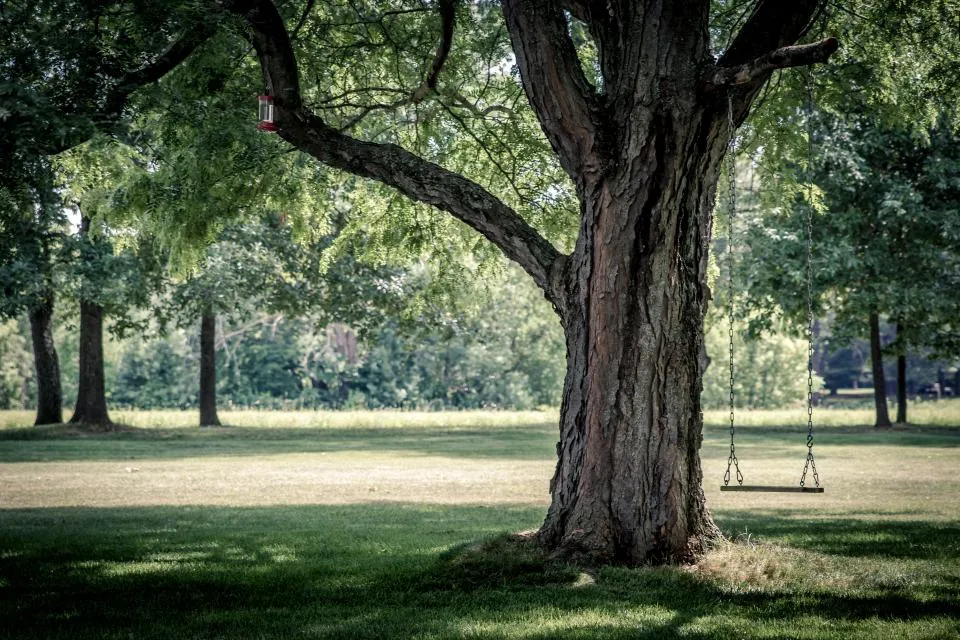

Summer heat is relentless, and as temperatures continue to climb across much of North America, more homeowners are rethinking what grows in their yards. Patio umbrellas and awnings are fine for a quick fix, but nothing competes with the real, lasting cool of a mature shade tree overhead.
Research has shown that tree canopy cover reduces temperatures by 11 to 19 degrees Fahrenheit compared to communities with no tree cover at all. That kind of difference is not cosmetic. It changes how you live outside. The five trees below are among the most effective, most beautiful, and most practical choices for homeowners ready to invest in natural shade.
1. Northern Red Oak (Quercus rubra): The Crown Jewel of Shade Trees
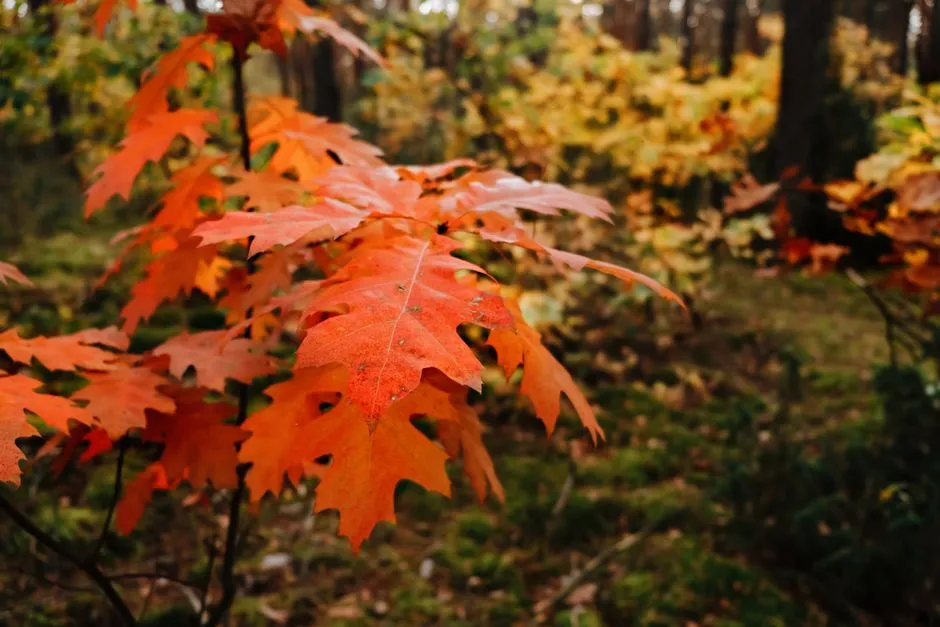
The Northern Red Oak is one of the best shade tree options for anyone living in the continental United States. It grows more than 70 feet tall with a spread of around 50 feet, and its broad leaves are exactly what allows the canopy to block sunlight so effectively.
One of the greatest benefits of the Northern Red Oak is that it’s a relatively fast-growing species compared to other large shade trees. Under ideal conditions, it can grow as much as 2 feet per year, and impressively, it can maintain that rapid growth rate for a decade or more.
The Northern Red Oak is both regal and practical, with lobed leaves that offer deep shade and vivid red hues in fall. It’s ideal for larger yards and offers excellent heat reduction thanks to its expansive canopy. Plant it on the west or southwest side of your home for the greatest cooling effect during peak afternoon hours.
2. Tulip Poplar (Liriodendron tulipifera): Fast, Tall, and Strikingly Gorgeous
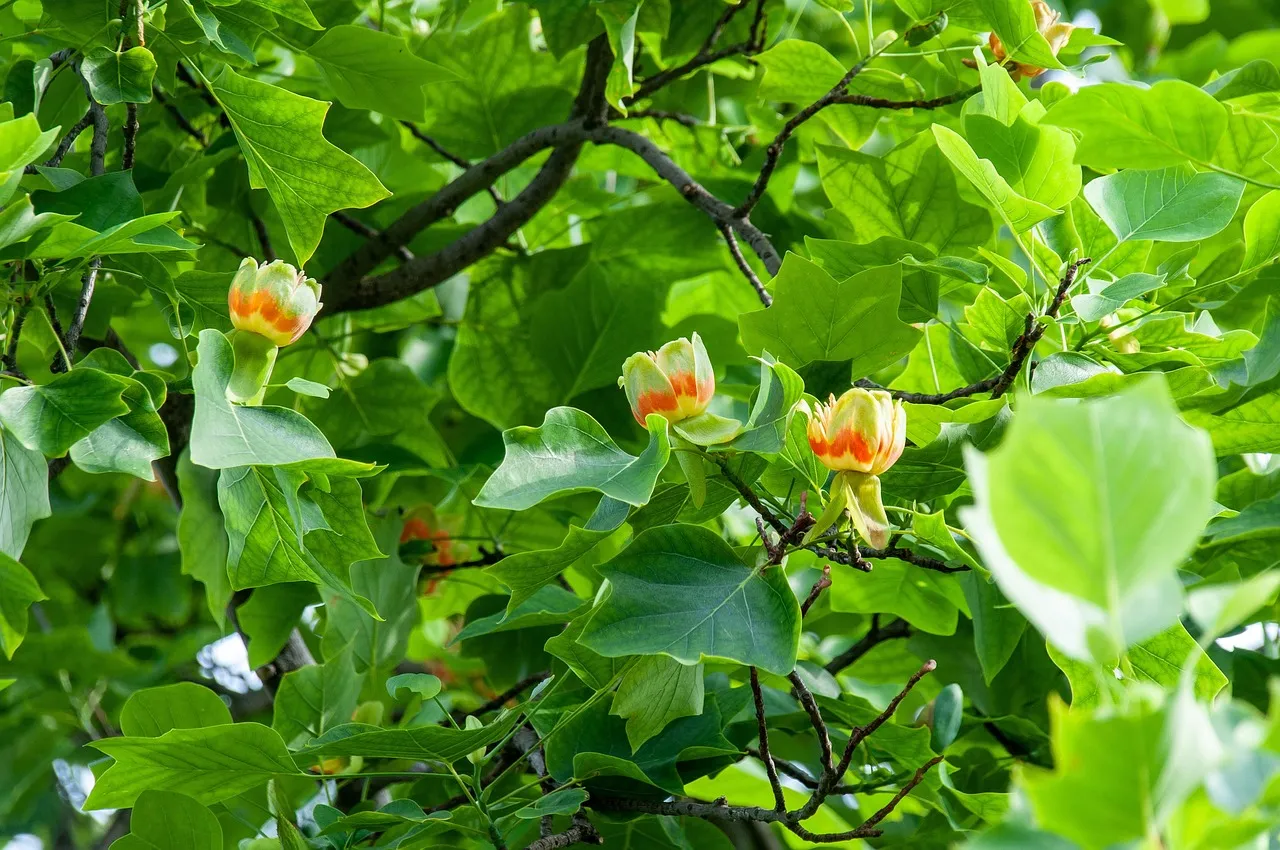
The Tulip Poplar grows in USDA zones 4 to 9, reaching 60 to 90 feet tall and 30 to 40 feet wide, and grows quickly enough to provide meaningful east-side shade within 8 to 10 years. For homeowners who want results in their lifetime rather than their grandchildren’s, that timeline matters.
The Tulip Poplar averages 3 to 5 feet of growth in a single year, which puts it in a class of its own among native shade trees. Its distinctive tulip-shaped yellow-green flowers add genuine ornamental value in spring, well before the summer heat arrives.
The Tulip Poplar is also among the trees with the most heat tolerance, making it suitable for a wide range of climates. It thrives in deep, moist, well-drained soil and rewards steady early watering with decades of reliable overhead cover.
3. American Sycamore (Platanus occidentalis): Bold, Beautiful, and Built for Heat
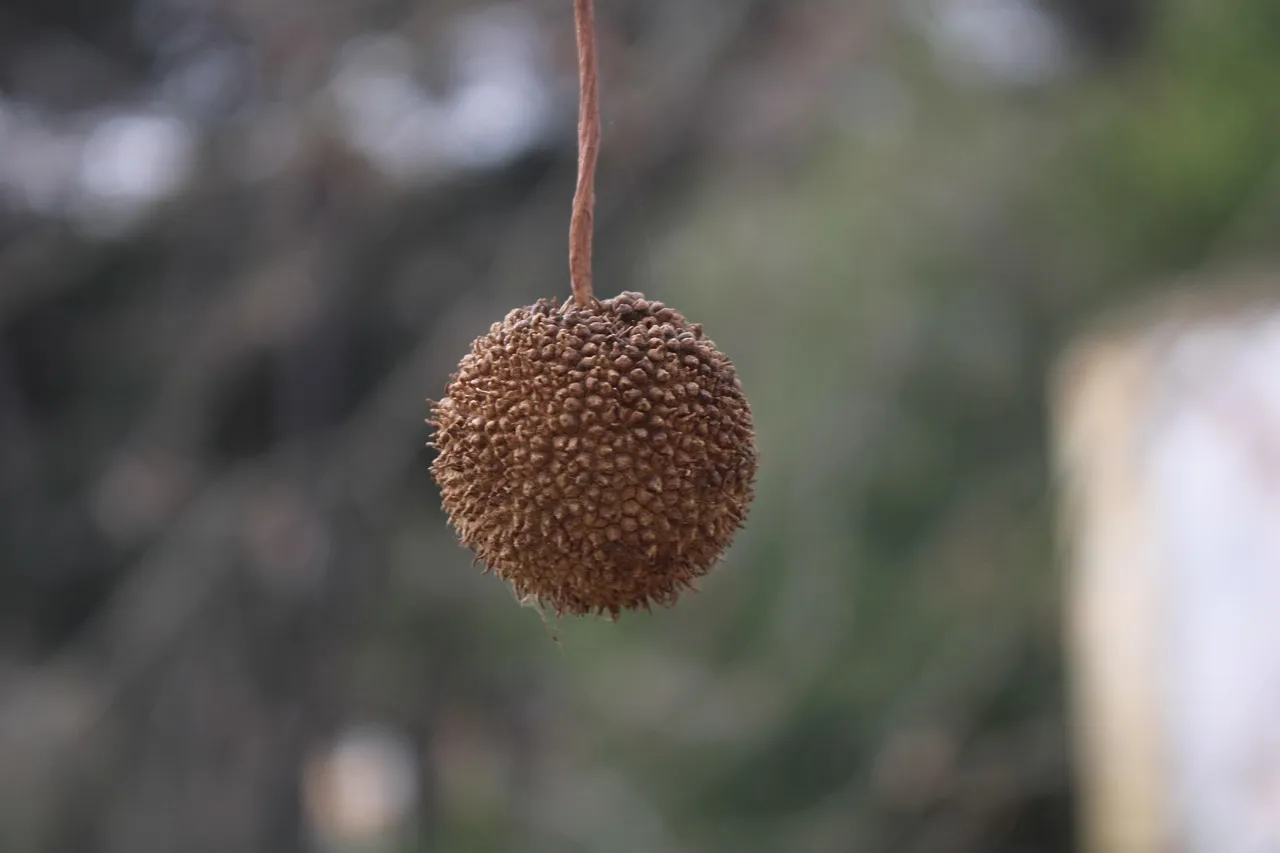
The American Sycamore is valuable not only for timber but is also widely planted as a shade tree because of its distinctive white, exfoliating bark and broad, dense crown. That peeling bark in cream and tan tones makes it one of the most recognizable trees in any American landscape.
The American Sycamore is among the fastest-growing shade trees available, capable of growing more than 5 feet in a single year. Its massive spread creates a wide, cooling canopy that throws shade over large areas of lawn, patio, or driveway.
The American Sycamore is also one of the most cold-hardy shade trees available, recommended for growing as far north as USDA zone 3. That kind of climate versatility, combined with its exceptional canopy size, makes it a compelling pick for homeowners across most of the country.
4. Southern Magnolia (Magnolia grandiflora): Year-Round Shade with Show-Stopping Flowers
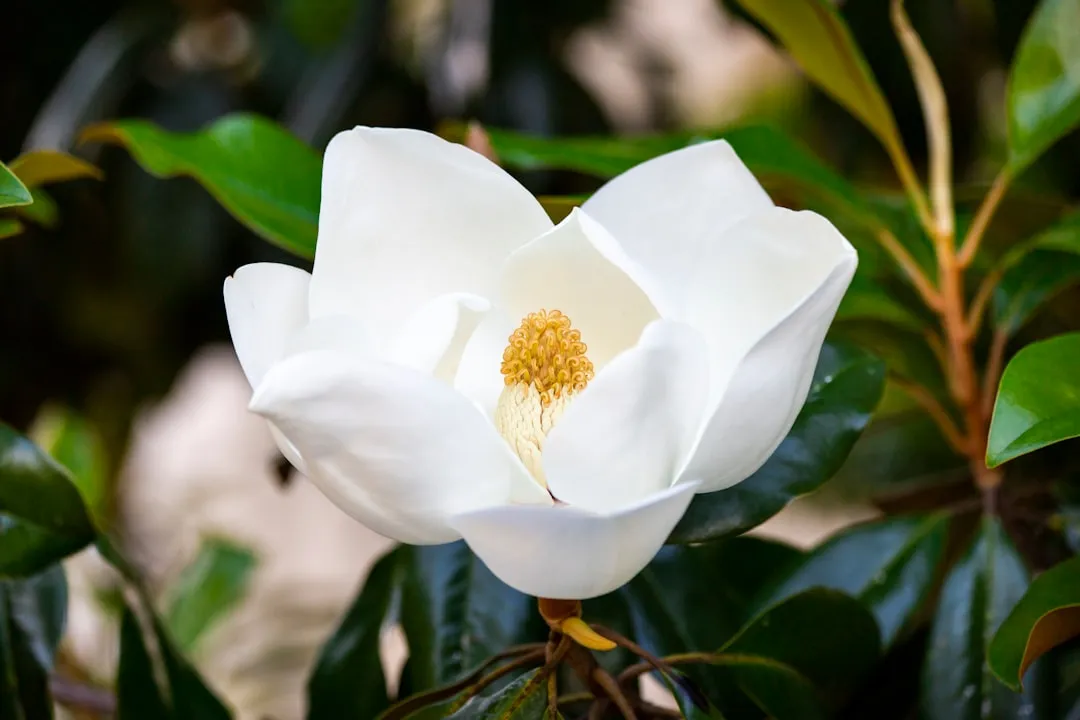
Prized for its glossy evergreen leaves and giant, fragrant white flowers, the Southern Magnolia is a quintessential symbol of the South. It grows to impressive heights and remains visually stunning year-round. The evergreen canopy provides consistent shade in hot climates, while the large flowers attract pollinators like hummingbirds and moths.
As a shade tree, there are few rivals. The Southern Magnolia works equally well in home gardens, commercial areas, and parks. Its broad, leathery leaves stay on the tree through winter, meaning shade is available even in seasons when most deciduous trees stand bare.
It’s native to North America, where it grows in the southeastern United States including Alabama, Florida, Georgia, Louisiana, Mississippi, North Carolina, and Texas. If you’re in a warm-climate zone and want a tree that pulls double duty as a cooling canopy and a visual centerpiece, the Southern Magnolia is hard to beat.
5. River Birch (Betula nigra): The Most Elegant Fast Grower
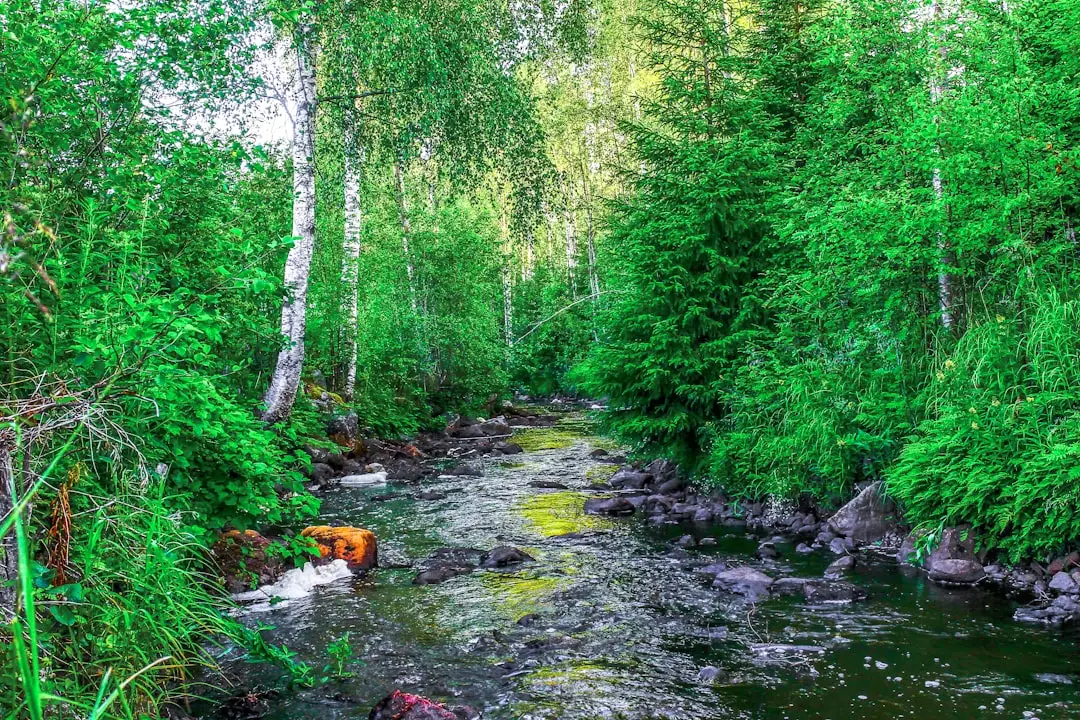
River Birch provides exceptional shade with its dense canopy, making it ideal for reducing heat in moist, low-lying areas. Its adaptability makes it a go-to option for poorly drained soils near ponds or rain gardens, though it should be kept away from alkaline soil since it prefers acidity.
The River Birch can grow about 3 feet per year, which is fast enough to establish meaningful shade within just a few seasons of planting. Its peeling, cinnamon-colored bark is one of the most ornamentally striking features of any native tree, giving it four-season visual appeal long before its canopy fills in.
River Birch grows well across USDA zones 4 through 9, though it will need ample moisture and heat mitigation in zone 9. It’s an especially strong choice for homeowners with wet or flood-prone yards where other trees simply refuse to establish.
Why Shade Trees Are Worth Every Cent
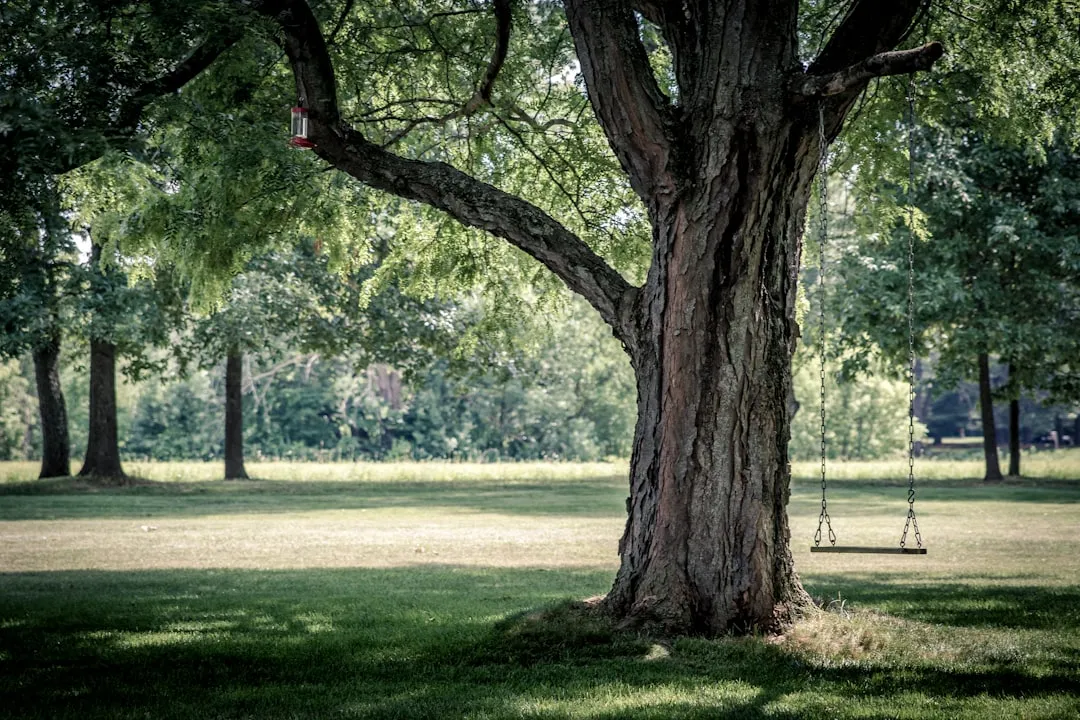
Experimental investigations and modeling studies in the USA have shown that shade from trees can reduce the air conditioning costs of detached houses by 20 to 30 percent. That’s a meaningful, lasting financial return on what is otherwise a simple act of planting.
Shading and evapotranspiration from trees can reduce surrounding air temperatures as much as 6 degrees Fahrenheit, and because cool air settles near the ground, air temperatures directly under trees can be as much as 25 degrees Fahrenheit cooler than air temperatures above nearby blacktop.
According to the U.S. Department of Agriculture, the net cooling effect of a single healthy, leafy tree is equal to 10 room air conditioners. That statistic alone reframes how we think about landscaping decisions.
The Science of How Trees Cool the Air
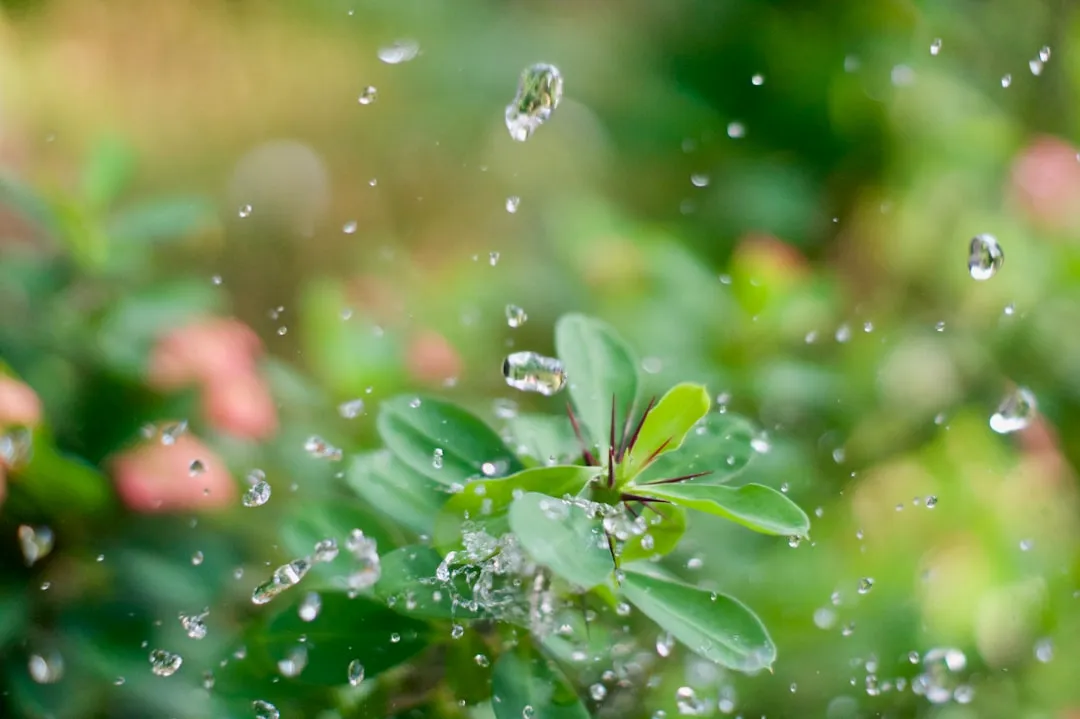
Trees reduce ambient temperatures through evapotranspiration, a process where roots pull groundwater up through the trunk and release it as water vapor through the leaves. A single mature shade tree can transpire 100 gallons of water per day, removing heat energy from the surrounding air in the process.
During sunnier seasons, an urban tree’s leaves and branches allow only about 10 to 30 percent of solar radiation to pass through its canopy. The rest of the solar energy is absorbed by the tree’s leaves or reflected back into the atmosphere.
A study analyzing 182 studies on the cooling effects of urban trees across 110 global cities found that tree implementation reduces peak monthly temperatures to below 26 degrees Celsius in the vast majority of cities, and trees can lower pedestrian-level temperatures by up to 12 degrees Celsius through large radiation blockage and transpiration.
Where to Plant for Maximum Cooling Effect
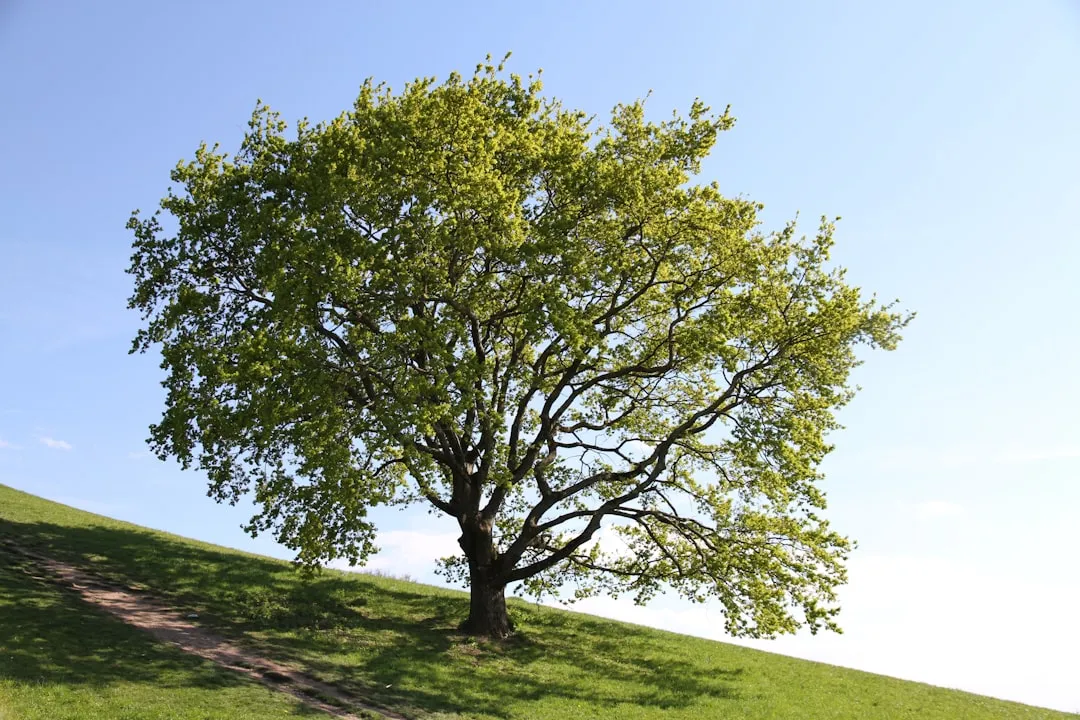
The south and west faces of your home receive the most intense solar radiation from late morning through evening. Plant your largest deciduous shade trees 15 to 25 feet from these walls, close enough for the mature canopy to shade the roof and upper windows but far enough to keep roots away from the foundation.
Researchers have found that planting deciduous trees or vines to the west is typically most effective for cooling a building, especially if they shade windows and part of the building’s roof.
Depending on whether you need cooling during mornings or afternoons, plant your shade trees on the east and west sides of your home, respectively. A little planning before you dig makes all the difference over the following decades.
When and How to Plant for the Best Results
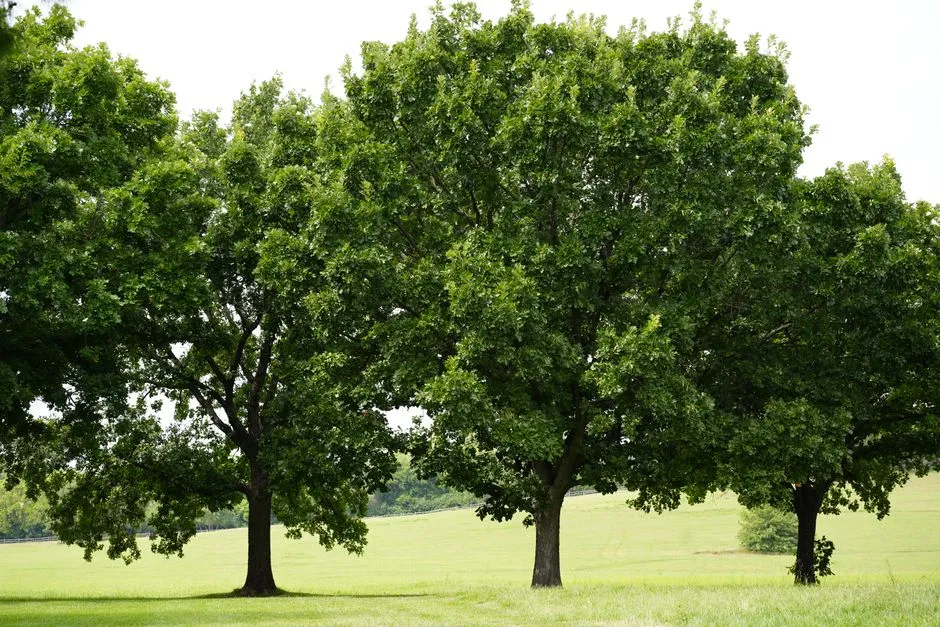
The best time to plant a shade tree is typically in the fall or early spring when temperatures are cooler, and the tree has time to establish its roots before the heat of summer or the chill of winter.
Proper care includes planting in the right location, regular watering especially during the first few years, applying mulch to retain moisture, and periodic pruning to remove dead or diseased branches. These aren’t demanding steps; they’re minimal investments for decades of payoff.
While planting shade trees is an investment in long-term energy savings, many homeowners are surprised at how soon those benefits begin to show. Within just a few growing seasons, strategically placed trees can start making rooms feel noticeably cooler, often before the tree reaches full maturity.
The Bigger Picture: Trees, Health, and Communities
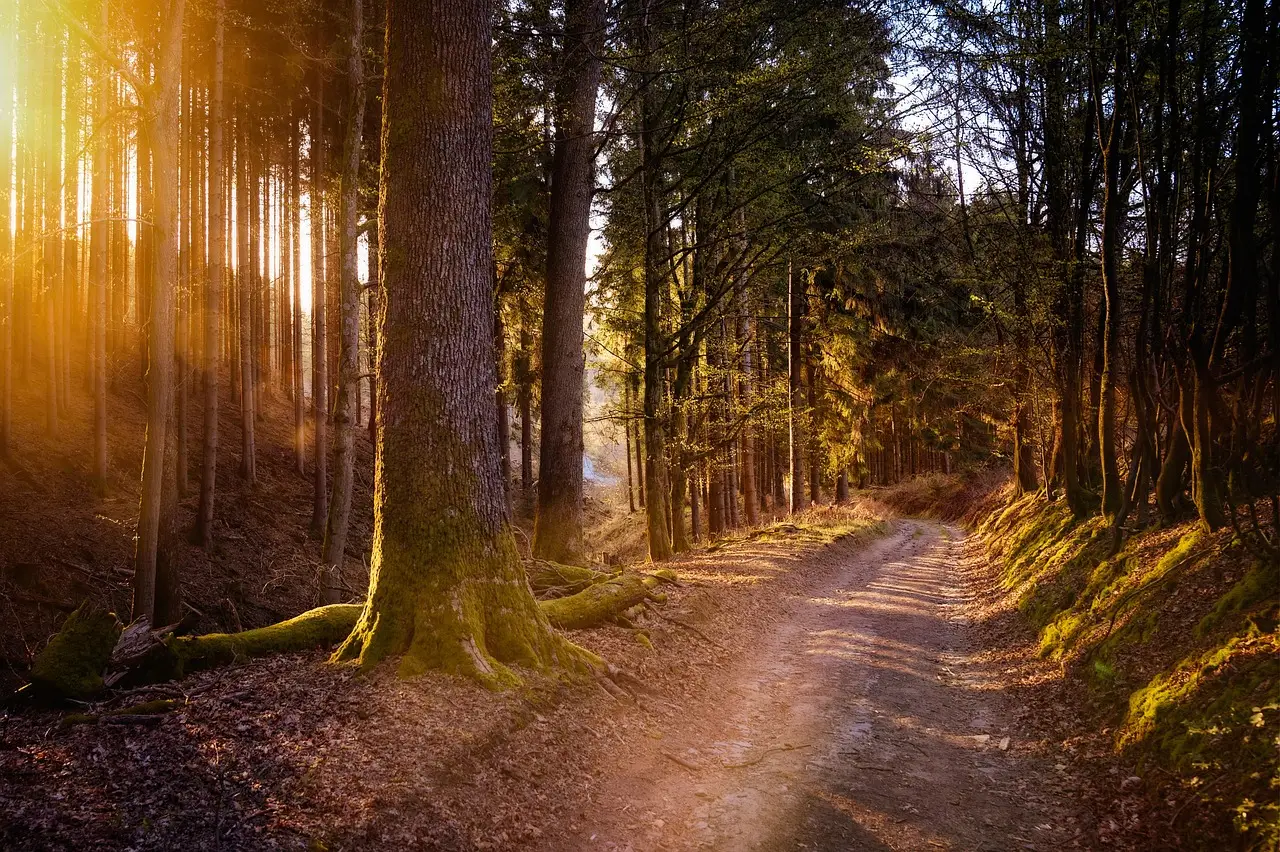
Urban areas, with their abundance of heat-absorbing surfaces such as concrete and asphalt, often bear the brunt of temperature spikes. Extreme heat disproportionately impacts people of color and low-income communities across the nation. Tree planting is increasingly recognized not just as a gardening choice but as a public health priority.
Beyond their beauty, shade trees also provide functional benefits including reducing energy costs, improving air quality, and creating habitats for local wildlife. A single well-placed tree supports an entire ecosystem in miniature.
Well-placed shade trees add value to your property, reduce soil erosion, and help manage stormwater runoff. They also increase wildlife habitats by offering food and shelter for birds, squirrels, and insects like butterflies.
Conclusion: The Coolest Investment You Can Make in Your Yard
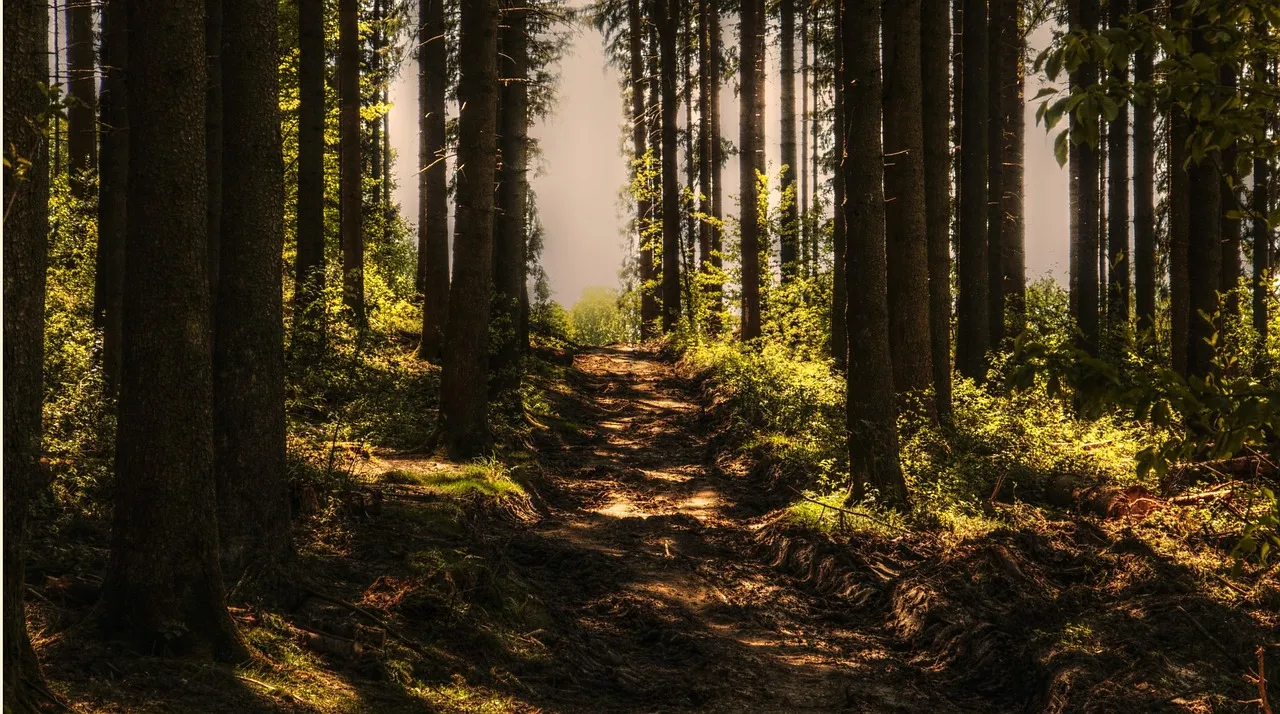
Choosing a shade tree is not just a landscaping decision. It’s a long-range commitment to comfort, lower energy bills, and a healthier outdoor space. Any of the five trees covered here, the Northern Red Oak, Tulip Poplar, American Sycamore, Southern Magnolia, or River Birch, will deliver on that promise reliably.
The hardest part is simply choosing one. Pick the species that fits your climate zone, your soil, and the space available, then plant it properly and give it a strong first season of watering. From there, the tree does the rest.
In a world of quick fixes and temporary solutions, a well-planted shade tree remains one of the most quietly enduring things you can add to the place you live. The shade it throws in twenty years is just the beginning of what it gives back.
AI Disclaimer: This article was created with the assistance of AI tools and reviewed by a human editor.