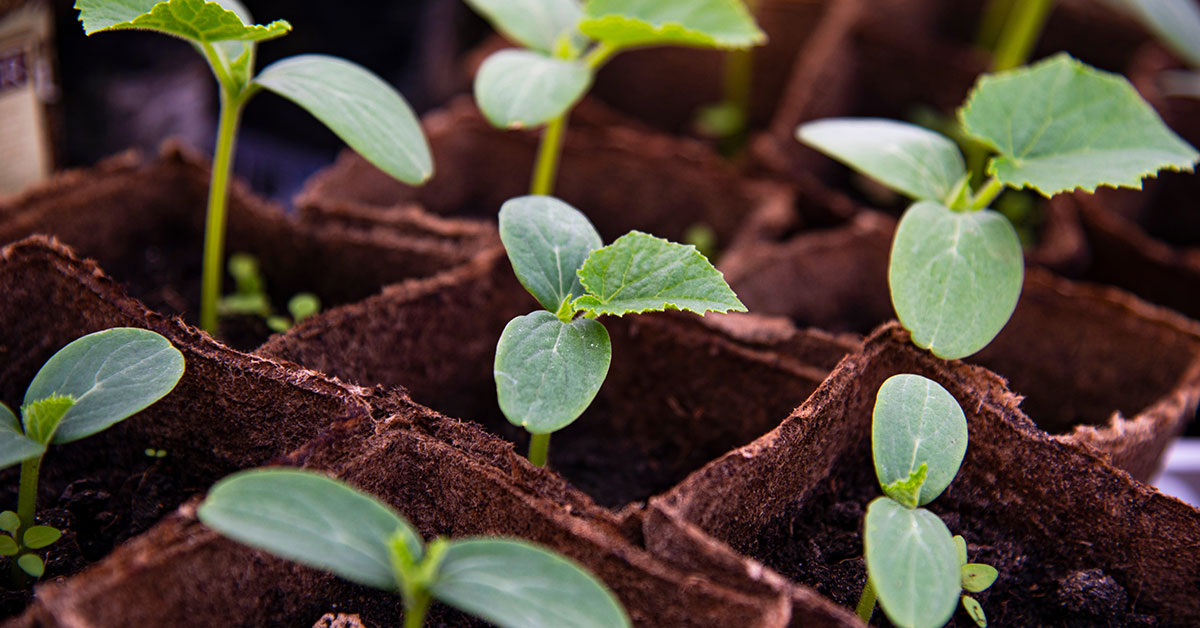

Welcome to the world of gardening, where we will be exploring the wonderful and versatile Long Green Cucumber. This popular vegetable, scientifically known as Cucumis sativus, is a must-have for any garden enthusiast.
With its elongated shape, vibrant green skin, and refreshing taste, the Long Green Cucumber is a staple in many cuisines worldwide. Whether you are a seasoned gardener or a beginner looking to embark on your gardening journey, this article will provide you with everything you need to know about cultivating, caring for, and enjoying the bountiful harvest of Long Green Cucumbers.
From its history and origins to planting techniques, pest control, and various culinary uses, we will delve into all aspects of this incredible vegetable. So, grab your gardening gloves and let’s dive into the world of Long Green Cucumbers!
What is a Long Green Cucumber?
A Long Green Cucumber is a type of cucumber that is known for its elongated shape and vibrant green color. It belongs to the Cucumis sativus species and is one of the most commonly grown and consumed varieties of cucumbers.
The Long Green Cucumber typically has a smooth, shiny skin and a firm, crisp texture. It can grow to be around 8 to 12 inches (20 to 30 centimeters) in length, although some varieties can reach up to 18 inches (45 centimeters) long. The diameter of the cucumber usually ranges between 1 to 2 inches (2.5 to 5 centimeters).
This cucumber variety has a mild and refreshing flavor, making it a popular choice for salads, pickling, and as a raw snack. It has a high water content, which contributes to its crispness and juiciness. Long Green Cucumbers are typically grown in warm climates and require ample sunlight, well-drained soil, and regular watering.
They thrive in garden beds, containers, or trellises, where they can climb and spread out. Regular pruning and maintenance are necessary to ensure healthy growth and prevent overcrowding. When harvesting Long Green Cucumbers, it’s important to pick them when they are still young and tender for the best taste and texture.
Overripe cucumbers can become bitter and develop a tougher skin. It’s recommended to harvest them by cutting the stem with a sharp knife or pruning shears, being careful not to damage the vine or other fruits.
Overall, Long Green Cucumbers are a versatile and delicious addition to any garden or kitchen. They offer a refreshing crunch and can be enjoyed in various culinary preparations, making them a popular choice among gardeners and cucumber enthusiasts.
What does Long Green Cucumber taste like?
A Long Green Cucumber has a mild and refreshing taste. It is crisp and juicy with a slight hint of sweetness. The flesh is tender and succulent, making it a perfect addition to salads, sandwiches, and even as a snack on its own. The taste is often described as clean and cooling, making it a popular choice during hot summer months. The skin of the cucumber is typically thin and slightly bitter, but it is edible and adds a nice crunch to the overall flavor. Overall, the taste of a Long Green Cucumber is light and refreshing, making it a delightful addition to any meal.
How to start Long Green Cucumber from seed
To start a long green cucumber, you can follow these steps:
- Choose the right variety: There are various types of long green cucumbers available, so select a variety that suits your preferences and growing conditions. Some popular varieties include ‘Marketmore,’ ‘Straight Eight,’ and ‘Burpless.’
- Prepare the soil: Cucumbers prefer well-drained, fertile soil with a pH level between 6.0 and 7.0. Amend the soil with organic matter like compost or well-rotted manure to improve its nutrient content and drainage.
- Start seeds indoors: Cucumber plants are typically started indoors from seeds. Fill seed trays or small pots with seed-starting mix and plant 2-3 cucumber seeds in each container, about 1 inch deep. Keep the soil moist and warm (around 70-85°F or 21-29°C) for successful germination.
- Transplanting: After about 3-4 weeks, the seedlings should be ready for transplanting. Choose a sunny location in your garden with enough space for the vines to spread out. Cucumbers can also be grown vertically on trellises or supports to save space.
- Harden off the seedlings: Before transplanting, gradually expose the seedlings to outdoor conditions over a period of 7-10 days. Start by placing them outdoors in a sheltered spot for a few hours each day, gradually increasing the exposure time. This process helps the plants adjust to the outdoor environment.
- Planting in the garden: Once the seedlings are hardened off, transplant them into the garden. Dig holes that are slightly larger than the root ball of the seedlings, spacing them about 12-18 inches apart. Place the seedlings in the holes and gently firm the soil around the base.
- Watering and care: Cucumbers require consistent moisture to thrive, so water them regularly, especially during dry periods. Aim to keep the soil evenly moist, but avoid overwatering, as it can lead to fungal diseases. Mulching around the plants can help retain moisture and suppress weed growth.
- Provide support: If you are growing vining cucumbers, provide support such as trellises, stakes, or cages. This will keep the vines off the ground, improve air circulation, and make harvesting easier.
- Fertilization: Cucumbers are heavy feeders, so apply a balanced fertilizer or compost tea every few weeks throughout the growing season. Follow the package instructions for the appropriate application rate.
- Pest and disease control: Keep an eye out for common cucumber pests like aphids, cucumber beetles, and spider mites. Regularly inspect the plants for signs of diseases such as powdery mildew or bacterial wilt. If necessary, take appropriate measures such as using organic pest controls or disease-resistant varieties.
- Harvesting: Long green cucumbers are typically ready for harvest within 55-65 days from planting. Harvest them when they reach the desired size, usually between 6-8 inches long. Use a sharp knife or pruning shears to cut the cucumbers from the vine, being careful not to damage the plant.
By following these steps, you can successfully start and grow long green cucumbers in your garden. Enjoy the process and the delicious cucumbers you’ll harvest!
Planting and growing Long Green Cucumber
Here are the steps for planting and growing Long Green Cucumbers:
- Choose a location: Find a sunny spot in your garden that receives at least 6-8 hours of direct sunlight per day. Ensure the soil is well-draining and rich in organic matter.
- Prepare the soil: Loosen the soil using a garden fork or tiller to a depth of about 12 inches. Remove any weeds or rocks from the area. Incorporate well-rotted compost or aged manure into the soil to improve its fertility and drainage.
- Start seeds indoors (optional): Long Green Cucumbers can be started indoors a few weeks before the last frost date in your area. Plant the seeds in seed trays or individual pots filled with seed-starting mix. Keep them in a warm location (around 70°F) and provide adequate moisture. Transplant the seedlings outdoors once all chances of frost have passed.
- Direct sowing: Long Green Cucumber seeds can also be directly sown into the garden once the soil has warmed up to around 60°F. Plant the seeds about 1 inch deep and 12-18 inches apart in rows or hills. If using hills, space them about 3-4 feet apart.
- Watering: Cucumbers need consistent moisture to thrive. Water the plants deeply, providing around 1-2 inches of water per week. Avoid overhead watering, which can promote disease. Instead, use a soaker hose or drip irrigation system to water at the base of the plants.
- Mulching: Apply a layer of organic mulch, such as straw or wood chips, around the base of the plants. Mulching helps retain moisture, control weeds, and maintain a consistent soil temperature.
- Fertilizing: Cucumbers are heavy feeders. Feed your plants with a balanced organic fertilizer or compost tea every 2-3 weeks. Follow the package instructions for application rates.
- Trellising (optional): Long Green Cucumbers can be grown on trellises or supports to save space and improve airflow. This helps prevent diseases and keeps the fruits straight and off the ground. Install the trellis or support system when the plants are still young, being careful not to damage the roots.
- Pollination: Long Green Cucumbers require pollination to set fruit. Bees and other pollinators are usually attracted to cucumber blooms, but if you notice a lack of pollinators in your garden, you can hand-pollinate by using a small brush or gently shaking the flowers.
- Harvesting: Long Green Cucumbers are typically ready for harvest 55-65 days after planting. Harvest them when they are firm, dark green, and reach the desired size (usually around 8-10 inches long). Avoid letting them become overripe as this can negatively affect flavor and texture.
By following these steps, you should be able to successfully plant and grow Long Green Cucumbers in your garden. Happy gardening!
When to harvest Long Green Cucumber
The best time to harvest a Long Green Cucumber is when it reaches its mature size and color. Typically, Long Green Cucumbers are ready to be harvested when they are about 6-8 inches long and have a dark green color. It is important to regularly check the cucumbers for readiness, as they can grow quickly. Harvesting them promptly ensures a better taste and texture. Avoid waiting too long to harvest, as overripe cucumbers can become bitter and have tough seeds.