

It started as an ordinary weekend sweep through a familiar backyard. The detector gave a low, consistent tone near a row of aging garden sheds, and at first it seemed like just another iron hit. A few careful passes later, and the signal clustered into something far more deliberate, a circular anomaly in the ground about four feet across, its stone lining still intact after more than a century underground.
That kind of discovery is exactly what keeps the hobby alive. Tucked beneath decades of compacted soil and overgrowth, the old well had been forgotten so completely that even the property owners had no idea it was there. What followed was a lesson in history, patience, and just how much a single backyard can hold.
The Discovery: Reading the Ground Before the Dig
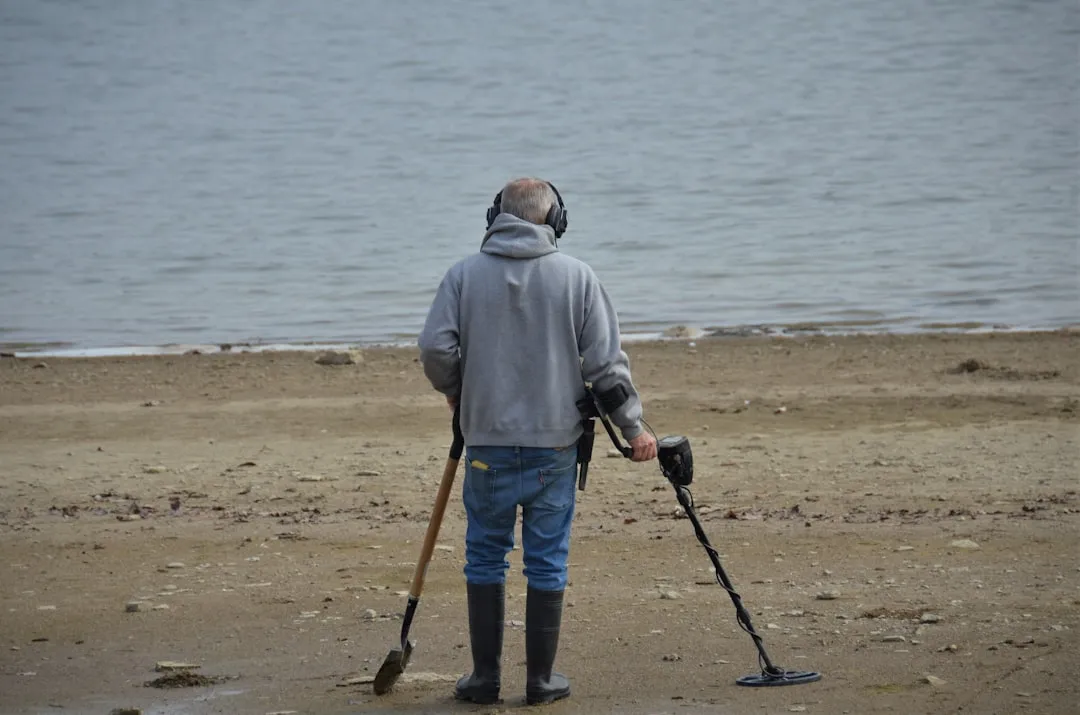
Knowing how to read the landscape is what makes a detectorist successful, and that applies especially when hunting old homesteads. There are specific indicators to look for when searching old abandoned homes or ruins that can lead to an amazing discovery. In this case, the position of the signal, directly behind two weathered wooden sheds and slightly off the center of the yard, was the first real clue something unusual was buried there.
The obvious places to metal detect are in and around old stone foundations, which can be hard to find in tall grass, with often only a couple of rocks remaining above the surface. Wells are another area commonly visited throughout the day, and detectorists are advised to detect around them thoroughly. The well’s stone collar was still largely intact, which is how it eventually registered as a strong, repeating signal rather than scattered debris.
Why Old Wells Are Prime Targets for Detectorists
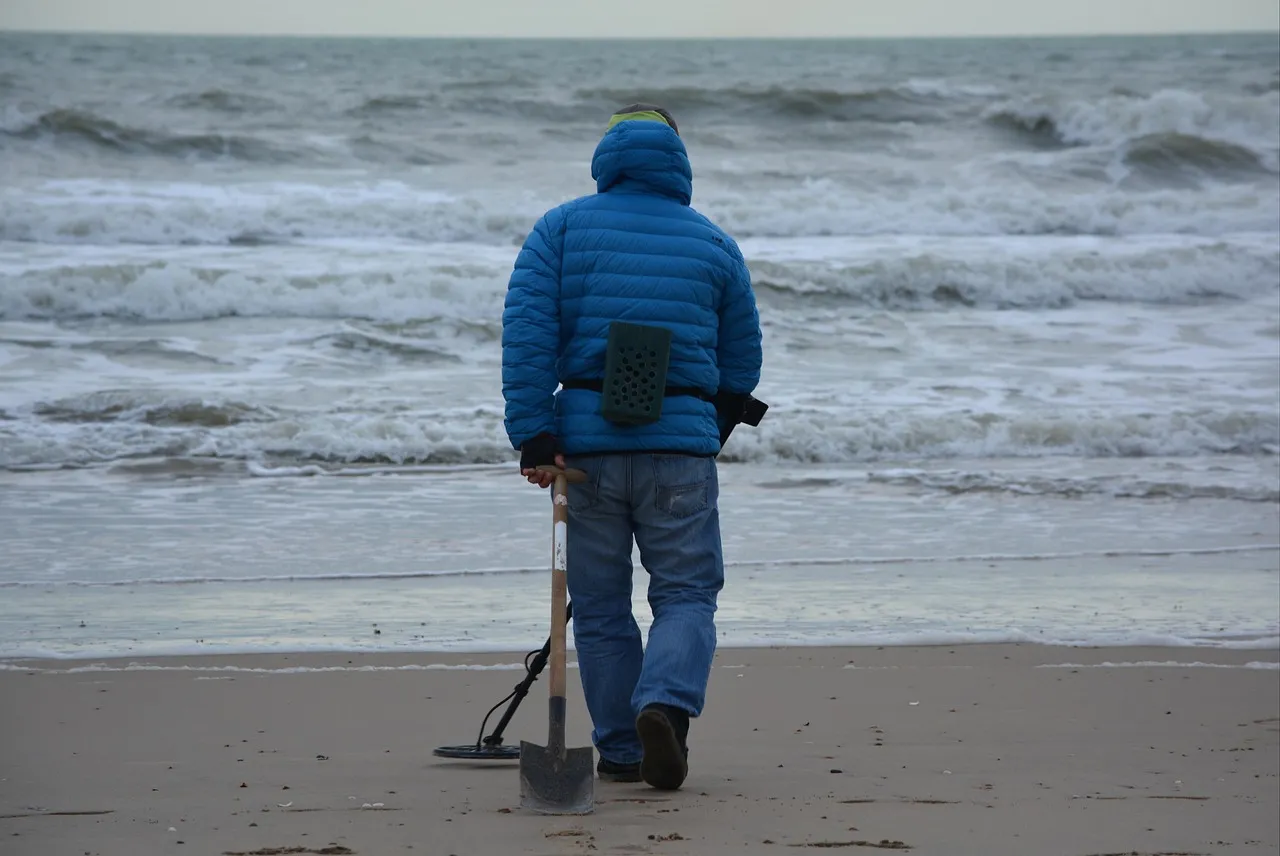
Near old wells and water sources, people gathered regularly, making them prime spots for finds. Wells were the social and practical center of daily life on an 1800s homestead. People drew water several times a day, and in the process they dropped things: coins from coat pockets, small tools, buttons, and personal items that simply slipped away unnoticed.
An old detectorist’s tip holds that you should draw an imaginary line from each of the homestead’s main structures, forming a triangle, and focus detecting efforts within that zone, since people were traveling between those structures frequently and were more likely to drop coins and other items there. The well, in that triangular logic, sits right at the intersection of all daily activity, which is precisely why it yielded so many signals.
What the Artifacts Tell Us About the 1800s Homestead
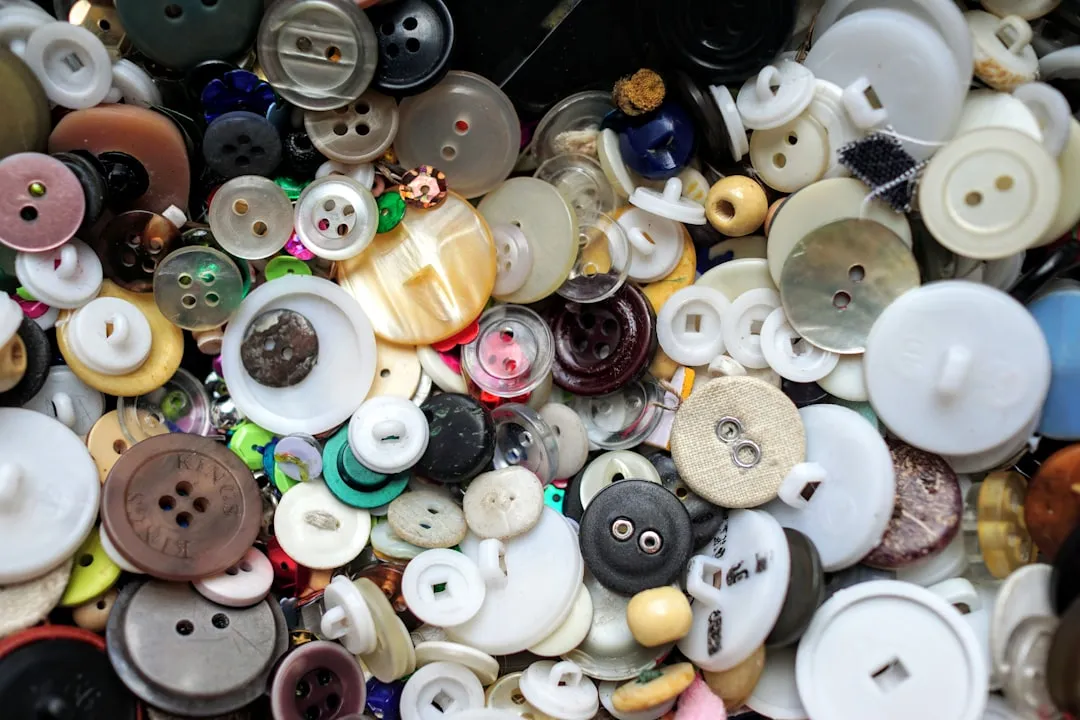
Famous artifact types like King George II coins and Indian Head pennies serve as vital dating anchors, especially in properties from the 1600s to 1800s. Around the well’s rim, early finds included flat buttons, cut nails, and corroded iron hardware, all consistent with mid-to-late 1800s domestic use. Cut nails, produced by machine from flat iron sheets, were used widely in American construction from roughly the 1790s through the 1890s, which helps narrow the homestead’s occupation period.
At old farmhouses, detectorists have the opportunity to uncover hand-forged cut nails and cast iron items that document construction methods, while personal treasures including rings and jewelry fragments illuminate social histories. Each item recovered near the well added a small piece to the household’s story, from the type of work done there to the personal lives of the people who lived on the land.
Layers in the Ground: How Older Sites Surprise Even Experienced Hunters
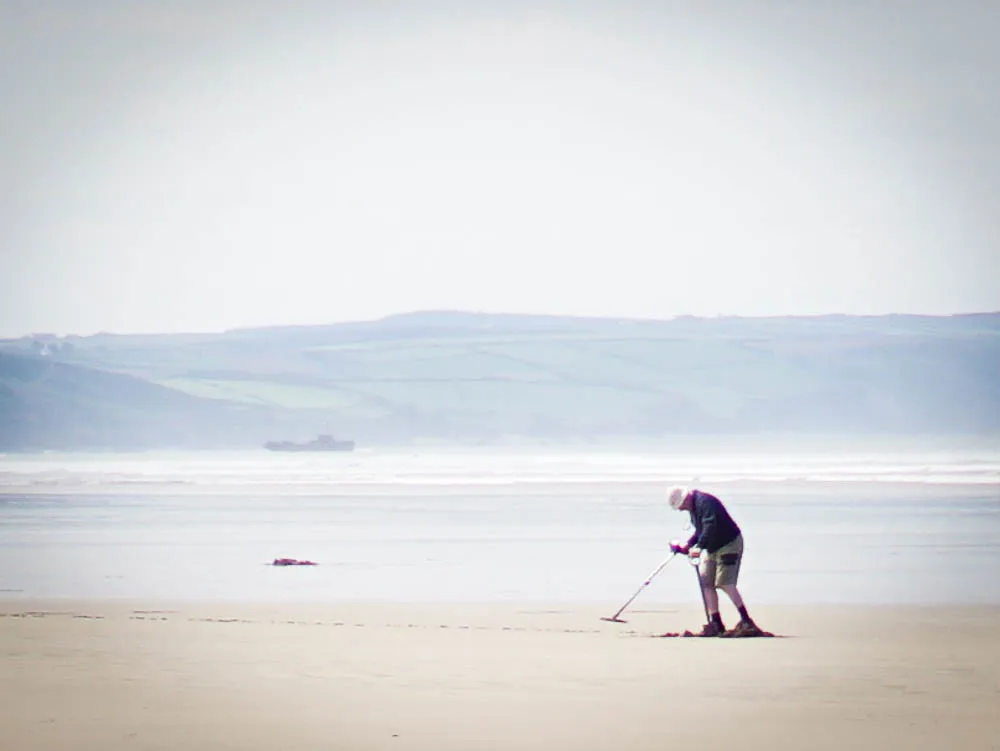
Fairly frequently on the oldest homesites, detectorists encounter the remains of one or more previously built structures beyond the main one they’re focused on. In some cases the old house was torn down and a new one built directly on top, meaning a detectorist expecting finds from a house built in, say, 1850, instead encounters items dating back to the 1700s when the original cabin was constructed. This well may represent exactly that kind of layered history.
Experienced hunters advise always assuming the possibility that any homesite may contain metal finds from a much earlier structure that research did not turn up, and that under normal conditions, the best coins and finds will logically be deeper than those from the last structure built on the site. Digging down past the 1800s layer, then, is rarely a bad idea.
The Challenge of Iron-Heavy Homestead Sites
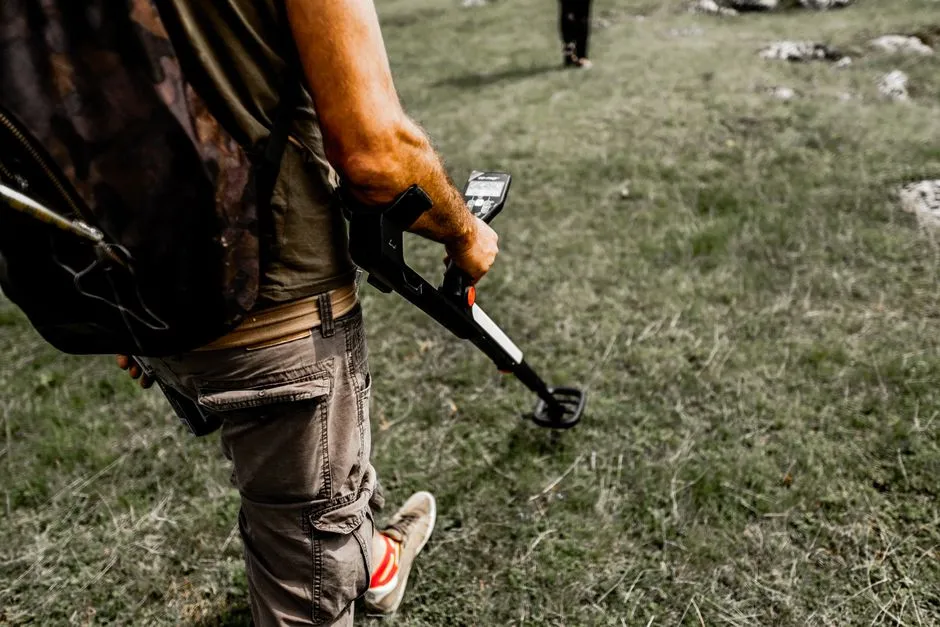
Old farmsteads are loaded with iron junk of all types, including tin roof pieces, iron implement pieces, nuts, bolts, and even modern aluminum cans left by more recent visitors who discovered old foundations and used them as gathering spots. Working around a well is especially demanding because old iron hardware, bucket rings, and chain fragments all compete for the detector’s attention alongside any genuine finds.
Historic homestead detecting requires patience and systematic approaches. These iron-contaminated sites challenge even experienced detectorists, but proper technique yields remarkable results. Slowing the sweep speed, using a smaller coil, and carefully analyzing each tone before digging is what separates a productive hunt from hours of frustration.
How Research Led to the Right Backyard
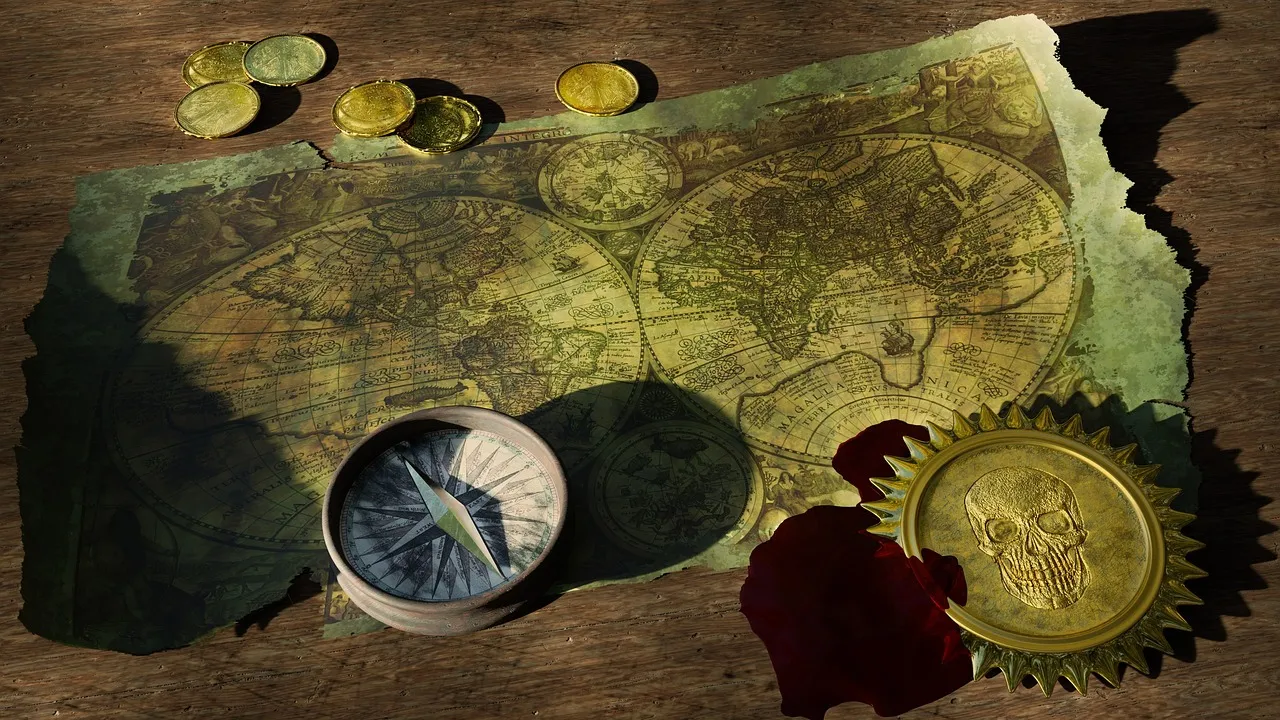
One experienced detectorist describes comparing 1800s maps, which marked homes as black dots and churches with crosses, with modern fields to match up sites: “Sometimes, the measurements are so exact that I’m literally standing at the front door of a particular sharecropper’s home, and it’ll be evident by the bricks, glass, and pottery shards on the ground.” That same kind of map-and-ground comparison is what directed attention to this particular property in the first place.
Vintage maps and atlases allow detectorists to compare historical records to current layouts and identify former homesteads, old roads, and vanished structures. Old postcards, photographs, and online mapping tools with historical overlays help visualize how areas changed over time. County plat records from the 1800s, available at most local historical societies and libraries, confirmed that a dwelling had stood on this plot as far back as the 1860s.
A Hobby That’s Growing Fast

Metal detecting is an exciting hobby that combines outdoor adventure, history, and the thrill of discovery, and according to recent surveys, it saw roughly a thirty-five percent increase in popularity during 2024, with more beginners joining the treasure hunting community than ever before. That surge in new participants has translated directly into more backyard and rural homestead searches across the country.
The global metal detector market, valued at nearly a billion dollars in 2025, is projected to experience robust growth driven by increasing security concerns and the rising popularity of metal detecting as a hobby. A compound annual growth rate of around five percent from 2025 to 2033 indicates significant market expansion, with key drivers including the expanding hobbyist segment fueled by accessibility and affordability of detectors. In short, more people are out there swinging coils than at any point in the hobby’s history.
The Technology Behind the Find

The 2024 finds season signals a bright future for metal detecting, driven by technological advancements. Detectors with multifrequency technology dominated 2024 reviews, promising deeper and more accurate searches. Multi-frequency machines are particularly useful at old homestead sites because different metals respond better to different frequencies, meaning a single pass can identify coin-sized silver targets and iron hardware simultaneously.
For typical metal detecting in parks, old homesteads, and farm fields, versatile VLF and multi-frequency machines excel at discriminating between trash and treasure in varied soil conditions. The detectorist in this case used a multi-frequency model specifically for that reason, allowing a cleaner separation of signals in what was otherwise a heavily contaminated patch of ground behind the sheds.
Reporting, Ethics, and the Law
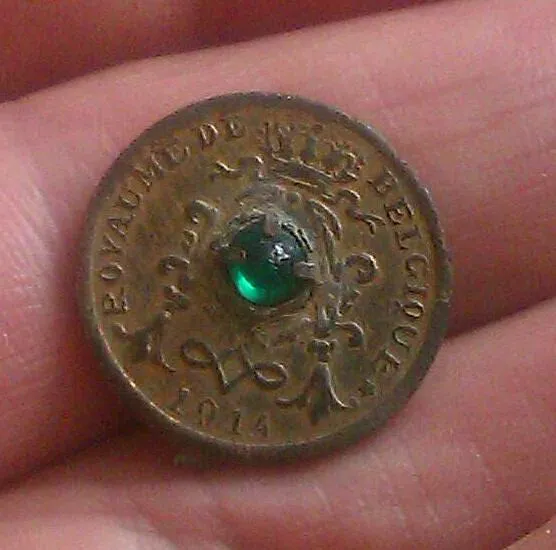
Objects made of precious metal and over three hundred years old must be reported to local heritage officers in many jurisdictions. If a coroner confirms it as treasure, the artifact will most certainly be added to a museum collection, protecting its historical value for the public. While the well itself predates that threshold by only a century or two, responsible detectorists still document finds carefully and notify local historical societies when a structure of potential significance turns up.
Connecting with local detecting clubs and historical societies to identify permissions and site histories is strongly recommended. Many property owners welcome responsible detectorists who share discovered artifacts and site history. In this case, the property owner was not just willing but genuinely enthusiastic, eventually reaching out to a county preservation office to have the well formally documented before any further ground disturbance.
What This Find Means Beyond the Backyard
Each item unearthed can reveal significant details about past inhabitants’ daily lives, economic conditions, and cultural practices. The cultural significance of these discoveries extends beyond individual finds, as they provide tangible evidence of how communities evolved over time. Historical artifacts serve as physical markers of cultural evolution across generations. A forgotten well tucked behind a garden shed is not just an old hole in the ground. It is a fixed point in time, a place where the same household returned every single day for water, for washing, for life.
Metal detecting continues to captivate enthusiasts and historians alike, uncovering treasures that offer glimpses into the past. In recent years, the world has witnessed an array of remarkable discoveries, from ancient coins to rare artifacts, showcasing the hobby’s potential to rewrite history. The well behind the garden sheds won’t rewrite anything on its own. Still, it adds one more verified dot to the map of how ordinary people lived in the nineteenth century, and that’s not nothing.
There’s something quietly profound about the fact that a device designed to find lost metal ended up recovering something more than objects. It recovered a place. The well had been there the whole time, patiently waiting under decades of lawn and shed foundations, holding its shape, still telling its story to anyone willing to listen closely enough.AI Disclaimer: This article was created with the assistance of AI tools and reviewed by a human editor.