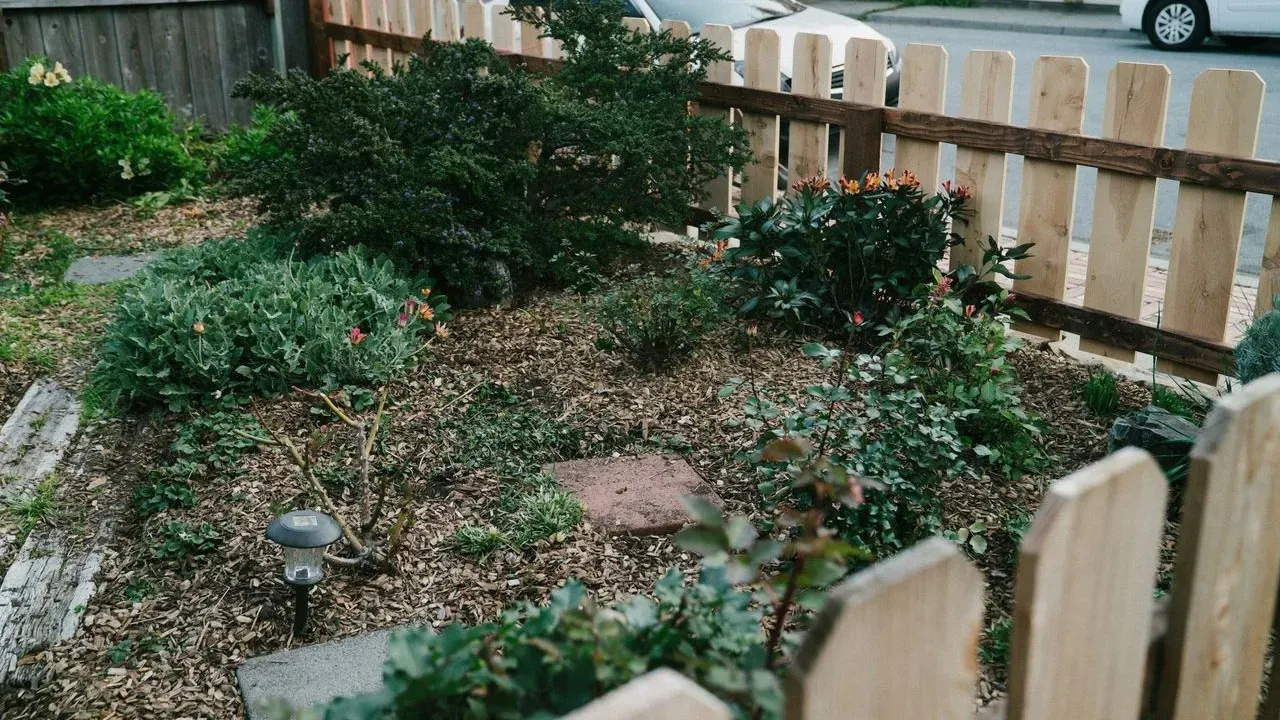

Gardeners facing reduced energy for seasonal chores are finding that conventional mulch, while effective for a tidy look, requires repeated purchases and applications that add up over time. Living mulch, made up of low-growing plants, offers the same core protections against weeds, erosion, and temperature swings while adding lasting ecological value. This approach aligns with a broader interest in resilient landscapes that demand less intervention as conditions change.
Why Traditional Mulch Falls Short for Long-Term Use
Wood chips and similar materials break down gradually, which means they must be replenished regularly to maintain coverage. The process of buying, transporting, and spreading fresh supplies consumes both money and physical effort, particularly on larger lots where bare soil remains visible between established plants. Regional alternatives such as pine straw or gravel carry their own trade-offs in availability and upkeep.
Many gardeners notice that even well-applied mulch eventually thins or compacts, leaving gaps that invite weeds or expose roots. These limitations become more pronounced for those seeking to reduce repetitive tasks without sacrificing garden health.
How Living Mulch Delivers Comparable and Additional Benefits
Once established, groundcover plants suppress weeds, moderate soil temperature, and limit erosion in much the same way as conventional mulch. They also retain moisture and create a more stable surface that does not require annual replacement. Over time, the plants form a self-sustaining layer that improves soil structure through root activity and leaf litter.
Beyond these functions, living mulch supports pollinators and beneficial insects by providing continuous habitat and a soft landing zone beneath trees and shrubs. The result is a landscape that appears more settled and mature, often described as having a natural patina that conventional materials rarely achieve.
Selecting Tough, Regionally Suited Plants
Native species and carefully chosen cultivars stand out for their ability to handle local climate patterns, soil types, and occasional weather extremes. These plants have often evolved alongside regional wildlife, offering food and shelter that support broader ecosystems. Cultivars selected for cold hardiness, heat tolerance, or disease resistance can further reduce the need for intervention.
Examples that perform well as living mulch include low-growing options such as bugleweed, creeping thyme, and woodland phlox, along with slightly taller mass-planting choices like coral bells and cranesbill. Gardeners are advised to match plant hardiness zones and growth habits to their specific site conditions rather than relying on visual appeal alone.
Designing for Natural Plant Interactions
Plants in natural settings rarely grow in isolation. They form colonies or dense groupings that interact at the edges, creating layered coverage. Replicating this pattern helps living mulch develop quickly and fill space more effectively than scattered specimens.
Some groundcovers spread readily once established, allowing gardeners to divide and replant sections to expand coverage without additional purchases. Care is needed to avoid overly aggressive varieties in smaller spaces, and checking growth characteristics before planting helps prevent future issues.
What matters now: For gardeners planning ahead, shifting toward living mulch reduces recurring labor while strengthening ecological connections in the landscape. The transition works best when started in manageable sections and paired with plants already proven in the local area.
Over time, the approach can lead to gardens that require less external input and continue to function well even as personal capacity for heavy maintenance changes. The emphasis remains on selecting plants that thrive rather than forcing conditions that demand constant correction.
AI Disclaimer: This article was created with the assistance of AI tools and reviewed by a human editor.