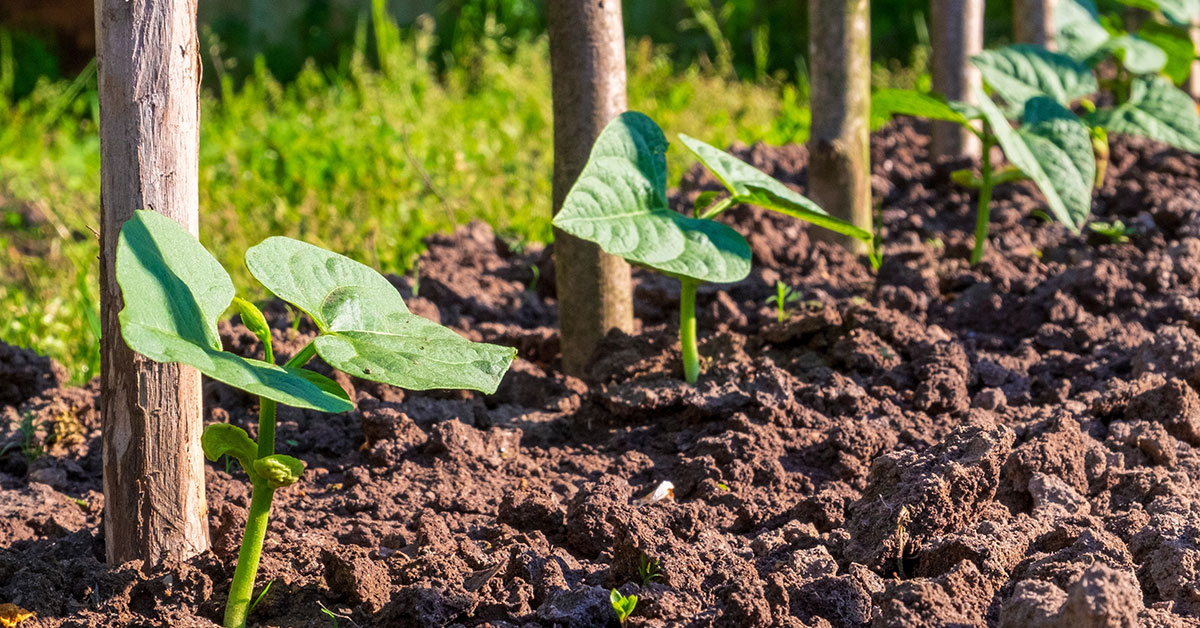

The lima bean, scientifically known as Phaseolus lunatus, is a fascinating and versatile legume that has been cultivated for centuries. Believed to have originated in South America, specifically in the region around Lima, Peru, these beans have become a staple in many cuisines around the world.
Lima beans are not only a delicious addition to various dishes, but they are also highly nutritious, packed with essential vitamins, minerals, and dietary fiber. As a gardener, growing lima beans can be a rewarding experience, as they are relatively easy to cultivate and can thrive in a wide range of climates.
In this article, we will explore the fascinating world of lima beans, from their history and cultivation to their numerous health benefits and culinary uses. Whether you are an experienced gardener or a beginner looking to try your hand at growing legumes, this comprehensive guide will provide you with all the information you need to successfully cultivate and enjoy these versatile beans.
What is a Lima Bean?
Lima beans, also known as butter beans, are a type of legume that belongs to the Fabaceae family. They are native to Central and South America and have been cultivated for thousands of years. Lima beans are named after the capital city of Peru, Lima, where they were first discovered.
These beans are known for their large, flat, kidney-shaped seeds that come in various colors, including white, cream, green, and speckled varieties. They have a starchy texture when cooked and a mild, buttery flavor, hence the alternate name “butter beans.” Lima beans are annual plants that grow as a bush or vine, depending on the variety. They thrive in warm climates and are typically sown in spring after the danger of frost has passed.
The plants require well-drained soil and full sun exposure for optimal growth. The bean pods of lima beans are typically harvested when they are mature but still green. Inside the pods, you will find the beans nestled in rows. These beans can be eaten fresh or dried for later use. Fresh lima beans have a sweeter taste and tender texture, while dried lima beans have a slightly nutty flavor. Lima beans are not only delicious but also highly nutritious.
They are a good source of protein, dietary fiber, vitamins, and minerals. These legumes are particularly rich in folate, iron, potassium, and magnesium, making them a healthy addition to any diet. In the garden, lima beans are often grown alongside other vegetables such as corn or tomatoes, as they can benefit from the support provided by these taller plants.
They are also commonly used in crop rotation systems to improve soil fertility. Whether you enjoy them steamed, boiled, mashed, or added to soups and stews, lima beans are a versatile and nutritious addition to any meal.
What does a Lima Bean taste like?
Lima beans have a unique flavor that can be described as mildly nutty, buttery, and slightly earthy. They have a creamy texture when cooked properly, which enhances their flavor. The taste is not overpowering but rather subtle and pleasant. Some people also detect a slightly sweet undertone in the flavor profile of lima beans. Overall, they offer a delicate and satisfying taste that pairs well with a variety of ingredients and seasonings.
How to start a Lima Bean from seed
Starting Lima beans from seeds is a fairly simple process. Here’s a step-by-step guide to help you get started:
- Selecting seeds: Choose high-quality Lima bean seeds from a reputable source. Look for seeds that are plump, firm, and free from any signs of damage or disease.
- Pre-soaking seeds: Lima beans have a tough outer shell, so it’s beneficial to pre-soak them before planting. Place the seeds in a bowl of warm water and let them soak for about 8 to 12 hours. This helps soften the seed coat and hastens germination.
- Seedling container: While Lima beans can be directly sown into the ground, starting them in containers allows for better control over growing conditions. Use seedling trays or small pots with drainage holes to ensure proper water drainage.
- Soil preparation: Lima beans thrive in well-draining and fertile soil. Prepare a potting mix by combining equal parts of garden soil, compost, and peat moss or coconut coir. Fill the containers with this mixture, leaving about an inch of space at the top.
- Planting seeds: Make a small hole in the soil, about an inch deep, using your finger or a pencil. Place one pre-soaked Lima bean seed in each hole and cover it with soil. Gently press down the soil to ensure good seed-to-soil contact.
- Watering: After planting, water the containers thoroughly until the excess water starts draining from the bottom. Ensure the soil remains consistently moist but not waterlogged. Avoid overwatering, as it can lead to root rot.
- Placement and sunlight: Lima beans require full sun to grow properly. Place the containers in a sunny spot where they can receive at least 6-8 hours of direct sunlight daily.
- Temperature and humidity: Lima beans prefer warm temperatures between 70-80°F (21-27°C). Maintain a moderate level of humidity by misting the seedlings with water if the environment is dry.
- Transplanting: Once the seedlings have developed a few sets of true leaves and the weather has warmed up, they can be transplanted into the garden. Choose a location with well-draining soil and adequate sunlight.
- Care and maintenance: As the Lima beans continue to grow, provide them with regular watering, keeping the soil evenly moist. Mulching around the plants can help retain moisture and suppress weed growth. Additionally, provide support like trellises or stakes to help the vines climb.
- Harvesting: Lima beans are ready to harvest when the pods are plump and the beans inside have reached their full size. Generally, this occurs around 70-90 days after planting, but it can vary depending on the variety.
By following these steps, you should be able to successfully start Lima beans from seeds and enjoy a bountiful harvest. Happy gardening!
Planting and growing Lima Beans
1. Choose the right location: Lima beans require full sunlight, so choose a spot in your garden that receives at least 6-8 hours of direct sunlight per day. The soil should be well-draining and rich in organic matter.
- Prepare the soil: Before planting, loosen the soil using a garden fork or tiller. Remove any weeds or grass from the area. Add compost or well-rotted manure to enrich the soil with nutrients.
- Planting: Lima beans can be directly sown into the garden once the soil temperature reaches around 65-75°F (18-24°C). Dig a hole about 1-2 inches deep and place the bean seeds in the hole, spacing them about 2-3 inches apart. Cover the seeds with soil and gently firm it down.
- Watering: After planting, water the seeds thoroughly to ensure good seed-to-soil contact. Keep the soil moist but not waterlogged throughout the growing season. Water deeply when the top inch of soil feels dry.
- Support: Lima beans are climbing plants, so provide them with support as they grow. Install trellises, stakes, or a bean pole teepee structure for the plants to climb on. This will help keep the vines off the ground and prevent diseases.
- Fertilizing: Lima beans are nitrogen-fixing plants, which means they have the ability to take nitrogen from the air and convert it into a usable form for themselves and other plants. However, if your soil is lacking in nutrients, you can apply a balanced organic fertilizer once or twice during the growing season.
- Mulching: Apply a layer of organic mulch around the base of the plants to help retain moisture, suppress weed growth, and regulate soil temperature. Straw, shredded leaves, or compost are good options for mulching.
- Pest and disease control: Keep an eye out for common pests like aphids, spider mites, and bean beetles. Use organic methods such as handpicking, spraying with insecticidal soap, or introducing beneficial insects to control them. Proper spacing and good airflow can help prevent fungal diseases like powdery mildew.
- Harvesting: Lima beans are ready for harvest when the pods are plump and the seeds inside have reached their full size. Harvesting too early can result in small, underdeveloped beans. Simply snap off the pods from the vine and open them to remove the beans. If you want to save seeds for future planting, allow some pods to fully mature and dry on the vine.
By following these steps, you should be able to successfully plant and grow Lima beans in your garden. Enjoy the process and the delicious harvest!
When to harvest Lima Beans
The best time to harvest Lima beans is when the pods are fully developed and filled with mature beans. This typically occurs about 70-80 days after planting, depending on the variety and growing conditions. The pods should be plump and firm to the touch, and the beans inside should be fully formed and rounded. Avoid waiting too long to harvest, as the beans can become tough and lose their flavor if left on the plant for too long. Regularly check the pods and harvest them as they reach maturity for the best taste and texture.