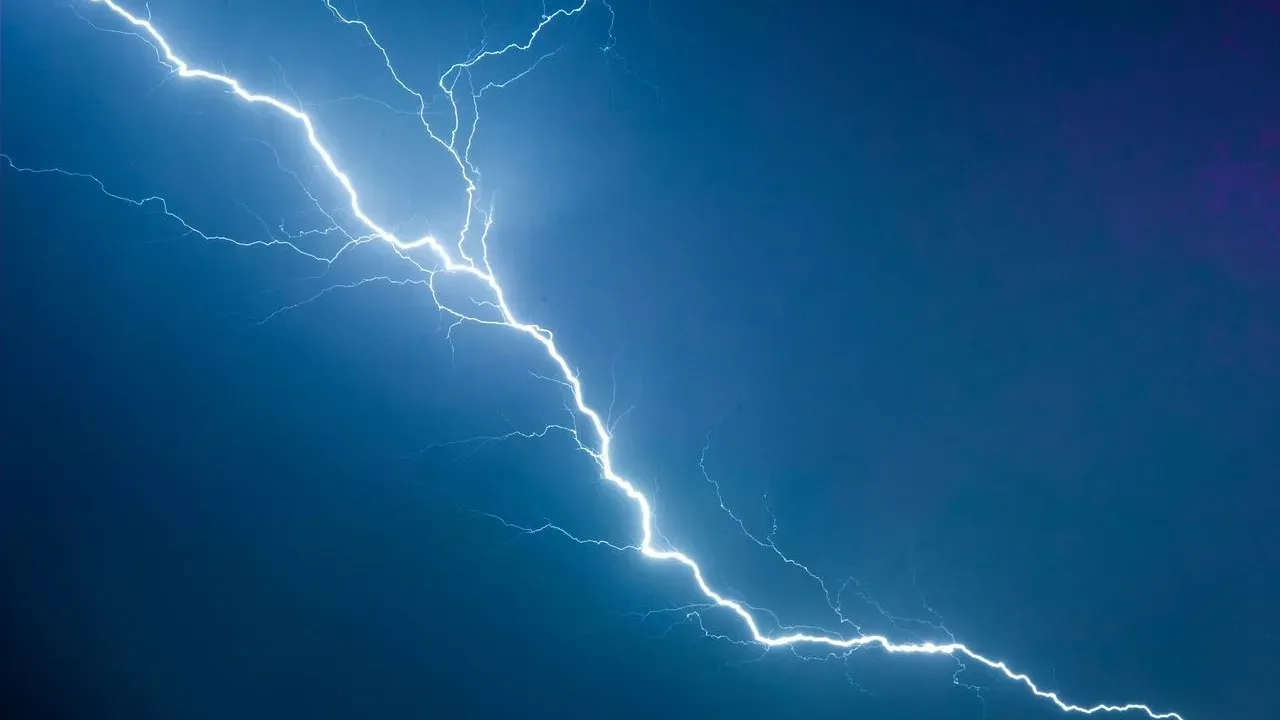

Osceola County, Fla. – A 20-year-old Michigan man who had recently relocated to Central Florida was killed by a lightning strike, leaving family and friends to grieve an unexpected loss. Matthew Jenkins had moved to the Orlando area to begin an internship through the Disney College Program. His death marks the sixth lightning-related incident reported in Florida in 2026. ([1])
Details of the Tragedy
The strike occurred in Osceola County, where Jenkins had settled after leaving Michigan. Authorities confirmed the cause as a direct lightning hit during outdoor conditions. The event unfolded quickly, underscoring how rapidly weather can shift in the region during storm season. Local reports noted that Jenkins was outside at the time, consistent with patterns seen in many lightning fatalities each year. Friends and family described the immediate aftermath as emotionally overwhelming. Notifications spread across social circles, and many struggled to process the news. The sudden nature of the incident left those closest to him reflecting on his recent move and the opportunities he had been pursuing.
Remembering a Young Life Cut Short
Jenkins was remembered by longtime friend Blake Jahn as a caring individual who formed deep connections. The two met on their high school cross-country team and stayed close for seven years. Jahn noted Jenkins’s qualities as a son, brother, and boyfriend, adding that he touched many lives despite his young age. Jenkins’s mother shared that her son had been excited about the Disney internship and the chance to explore his future. A statement from The Walt Disney Company expressed sadness over the loss, stating that Jenkins had just begun his program and would remain part of the Disney community. Jahn responded positively to the company’s recognition, saying it would have meant a great deal to his friend. Support poured in from across the country as word of the death spread. Jahn emphasized that Jenkins’s story would continue through the many people he had influenced.
Practical Implications for Outdoor Work and Gardening
Incidents like this one carry clear consequences for anyone who spends extended time outside, including gardeners tending yards or managing landscapes. Lightning remains a leading cause of weather-related deaths, and Central Florida experiences frequent thunderstorms that can develop with little warning. The timeline from clear skies to active strikes can be short, leaving limited time to react. Stakeholders affected include homeowners, professional landscapers, and seasonal workers who maintain outdoor spaces. The event serves as a reminder that standard precautions apply equally to recreational gardening and professional duties. Awareness of local weather patterns helps reduce exposure during peak storm months.
Steps to Reduce Lightning Exposure
Outdoor workers and gardeners can follow established practices to lower risk. These include monitoring forecasts before starting tasks and pausing work at the first sign of thunder or lightning. – Move indoors or into a hard-topped vehicle immediately when thunder is heard.
– Avoid open fields, tall trees, and metal equipment such as rakes or irrigation tools.
– Wait at least 30 minutes after the last thunder before resuming activities.
– Identify sturdy buildings or vehicles as primary shelter points in advance. Such measures align with guidance from weather authorities and can be integrated into routine yard work without major disruption. The focus remains on consistent habits rather than one-time changes.
AI Disclaimer: This article was created with the assistance of AI tools and reviewed by a human editor.