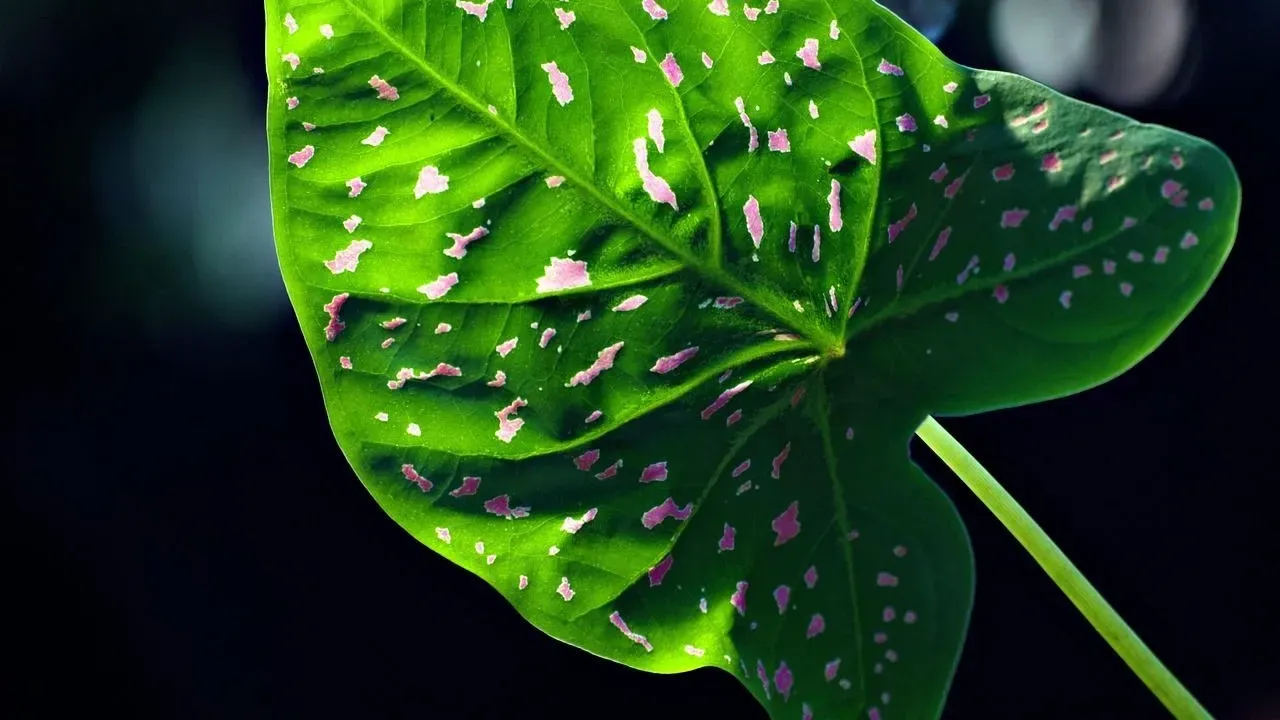

Caladiums thrive as perennials only in the warmest parts of the country. In most regions they require active intervention each fall to survive until the following spring. Gardeners who act in time can preserve their favorite varieties instead of buying replacements. The process centers on lifting, curing, and storing the corms, a standard practice detailed by horticultural sources. ([1])
Zone Differences Shape the Decision
USDA Hardiness Zones 9 through 11 allow caladiums to remain in the ground year-round without damage. Below those zones the plants cannot tolerate freezing temperatures and must be treated as annuals unless the corms are removed. This geographic split determines whether a gardener can leave the foliage in place or must prepare for winter storage. The distinction affects thousands of home landscapes across the northern and central United States each October.
Watch the Calendar and the Weather
Timing rests on the first expected frost rather than a fixed date. Once nighttime temperatures approach 60 degrees Fahrenheit, the foliage begins to decline and signals that lifting should begin soon. Waiting until after a hard freeze risks damage to the corms themselves. Mid-October often marks the practical window for many colder zones, giving gardeners a narrow but workable period to complete the task.
Steps for Safe Removal and Curing
Careful digging preserves the corms for the next season. Gardeners loosen the soil around each clump and lift the plants with a spade or fork, keeping as much soil attached as possible. The foliage is then cut back to a few inches above the corm. After lifting, the corms need several days of air drying in a shaded, well-ventilated spot so that any remaining soil can be brushed away and the surfaces can firm up.
Proper curing reduces the chance of rot during storage. Once the corms feel dry to the touch, they are ready for packing. This stage typically takes three to seven days depending on humidity and temperature.
Storage Conditions That Work
Pack the cured corms in dry peat moss, vermiculite, or similar material inside boxes or paper bags. The containers should be kept in a cool, dark location where temperatures stay between 60 and 70 degrees Fahrenheit. Check the corms periodically through the winter and remove any that show signs of softening or mold. Under these conditions most healthy corms remain viable until replanting time in spring.
Replanting and Long-Term Payoff
When soil warms again the stored corms can be set out at the same depth and spacing used the previous year. Many gardeners report that properly stored caladiums produce foliage comparable to new purchases. The practice turns a one-time investment into repeated seasonal color without additional cost. Success depends mainly on consistent timing and storage conditions rather than specialized equipment.
AI Disclaimer: This article was created with the assistance of AI tools and reviewed by a human editor.